Breakroom Gossip Now Includes the Garage Door
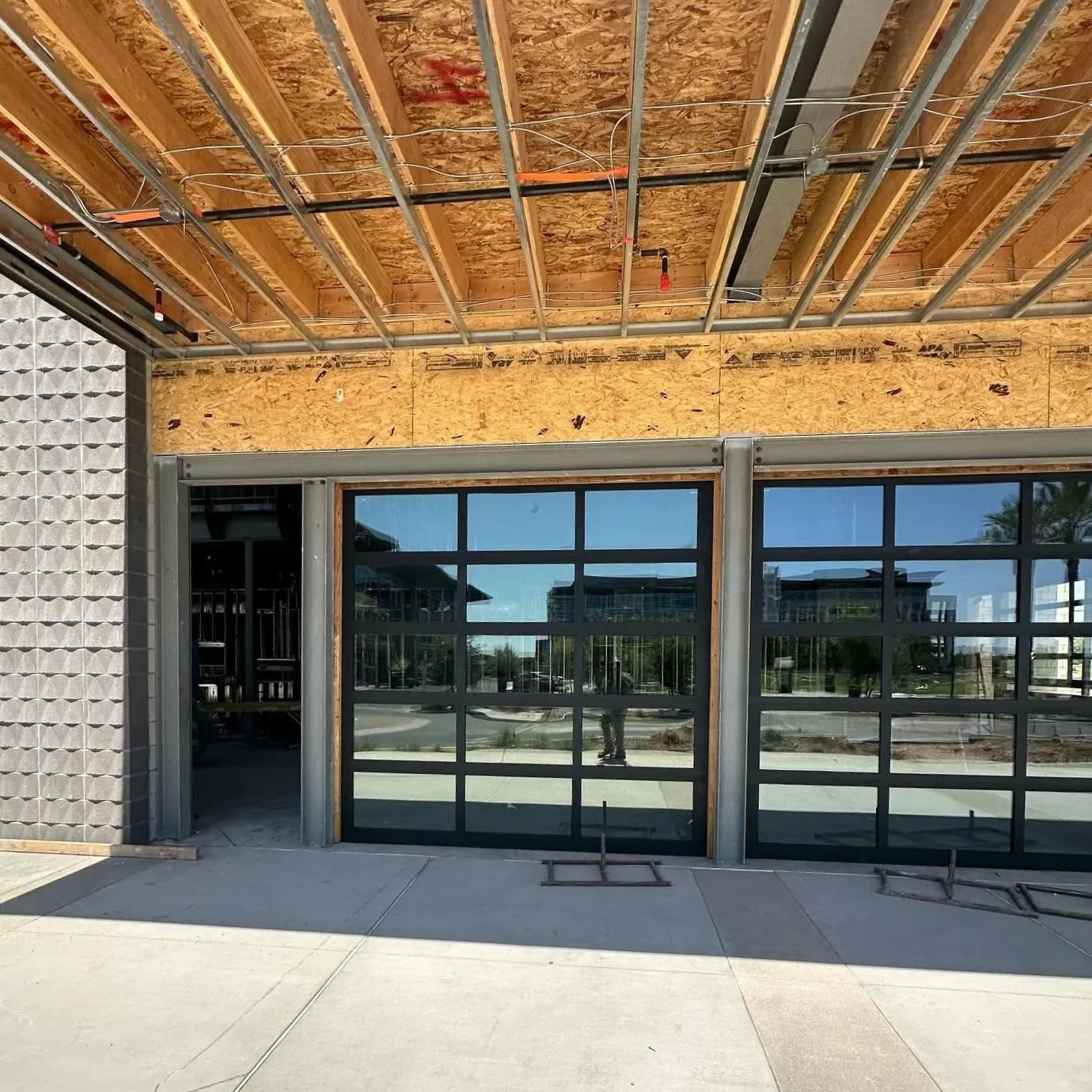
When commercial overhead garage doors start making headlines during coffee breaks, something has gone off-track—sometimes literally.
Office drama used to revolve around missing lunches, leftover birthday cake, or who keeps reheating fish. Now, the breakroom conversations have shifted to something far less edible but equally irritating—the garage door. A once-overlooked fixture has turned into the loudest character in the building, and not in a good way.
When commercial overhead garage doors start making headlines during coffee breaks, something has gone off-track—sometimes literally. A creaky, clunky, or downright rebellious door does more than slow down work. It becomes a full-time distraction, a workplace joke, and eventually, a source of real frustration.
When Everyone Notices
In most workplaces, commercial overhead garage doors are background characters. They raise and lower, and do their job, without drawing attention. But when they start moaning, slamming, or getting stuck halfway through a lift, they command an audience. Suddenly, every squeak becomes a punchline, and every failed open turns into a story worth retelling between shifts.
What was once a smooth process becomes unpredictable. One day, the door lurches up with a shudder. Next, it refuses to budge unless someone kicks the track or holds the button down just right. Staff members invent their own rituals just to deal with it, none of which are part of the manufacturer's recommended maintenance plan.
Workplace Mood Swings
Commercial overhead garage doors have a surprising impact on morale. A smooth, reliable door keeps operations flowing. A noisy, unreliable one invites groans from anyone within earshot. The longer the issue lingers, the more it affects the tone of the entire facility.
It's hard to stay upbeat when the building itself sounds irritated. People start timing their tasks to avoid the door altogether. Others brace for its next outburst. Tension builds—both in the machinery and in the workplace energy. And when the machinery takes center stage in staff chatter, the message is clear: something needs attention.
Downtime That Doesn't Disappear
When a door malfunctions, the pause it creates doesn't just affect one person—it cascades through the entire workflow. Shipments delay. Drivers wait. Internal tasks pile up. The moment the garage door becomes unreliable, productivity slips through the same gap in the track.
Crews compensate by lifting manually or finding alternate routes. Those workarounds add minutes to each job, and minutes stack fast. What started as a loud inconvenience turns into measurable downtime. That's when the breakroom banter takes a sharper tone—because now the door's not just annoying, it's costing time and energy.
Maintenance Myths And DIY Misadventures
Not all heroes wear tool belts. But in every workplace, someone thinks they can "fix" the problem with a hammer, some grease, or a YouTube video. While the effort is admirable, commercial overhead garage doors require precision, not improvisation.
Torsion springs, cables, and track systems don't respond well to guesswork. When mishandled, they cause injury or further damage. A temporary fix might seem like progress, but it usually leads to another round of grumbling when the issue returns worse than before. And, of course, more material for breakroom gossip.
When Age Isn't Just A Number
Commercial garage doors carry years of wear that often go unnoticed until something fails. Regular use without proper maintenance wears down rollers, misaligns tracks, and puts stress on motors. The older the door, the louder its protests.
Rust, warped panels, and outdated openers add to the commotion. Some doors rattle because the materials have reached their limit. Others grind because the opener can no longer handle the load. Age shows up in sound, sluggishness, and unpredictability. At a certain point, repairs just keep the door limping along—and the office jokes rolling.
The Cost Of Ignoring It
Letting a loud or faulty garage door linger might save time in the short term, but the cost builds over time. Delayed shipments, energy inefficiencies, and mechanical stress on other parts of the system add up. Eventually, the entire door may need to be replaced rather than a manageable repair.
Ignoring the problem also takes a toll on staff morale. People take pride in where they work. When a facility shows signs of neglect, it can affect employees' feelings about their jobs. A well-maintained space—starting with equipment that functions properly—sends the right message about priorities.
When Silence Says It All
A properly maintained commercial overhead garage door moves quietly and efficiently. It doesn't interrupt meetings, cause delays, or spark weekly debates in the breakroom. It simply does its job in the background, supporting the rhythm of the workday without making itself the main event.
Professionally serviced doors glide open, seal tightly, and operate on command. Maintenance schedules keep components in sync and replace worn parts before they fail. Sensors respond as they should. Tracks stay clear. Springs stay strong. And most importantly, nobody talks about the garage door anymore—because it's working exactly as it should.
Choosing Better Over Band-Aids
Sometimes it's not about patching what's broken—it's about upgrading to a better solution. Modern commercial overhead garage doors come with quieter motors, smarter openers, and longer-lasting parts. They're built to handle heavy use without drama.
Replacing an outdated door with one designed for today's needs reduces repair costs and lifts workplace efficiency. It removes a long-standing source of frustration and gives staff one less thing to complain about over lunch. It also sends a strong message that the business values its infrastructure and its people.
Shifting The Conversation
When breakroom gossip no longer includes the garage door, it's a sign that something right has happened. The noise disappears, the delays fade, and the focus returns to the work that matters. Operations run more smoothly. People work faster. Conversations shift from complaints to collaboration.
It doesn't take much to bring back the calm—just a well-timed inspection, a few smart repairs, or a new door that fits the job. Quiet reliability beats thunderous interruptions every time. And once the door fades into the background again, everyone wins—including the breakroom crew.
A commercial overhead garage door shouldn't be the loudest voice in the building. When it stops being the punchline, it starts doing what it was meant to do—support the team, not steal the spotlight.
