
Our Blog
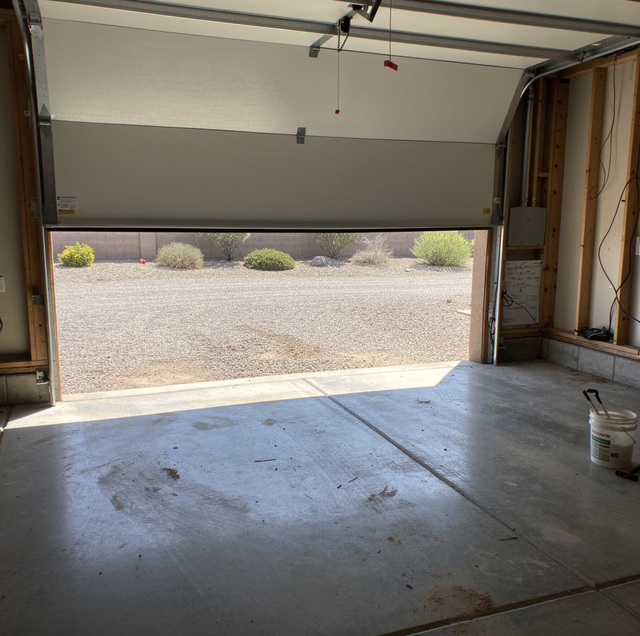
Garage Door Hard to Lift? How to Tell Spring From Balance
Pull the emergency release cord, grab the bottom of the door, and lift it about three or four feet by hand.
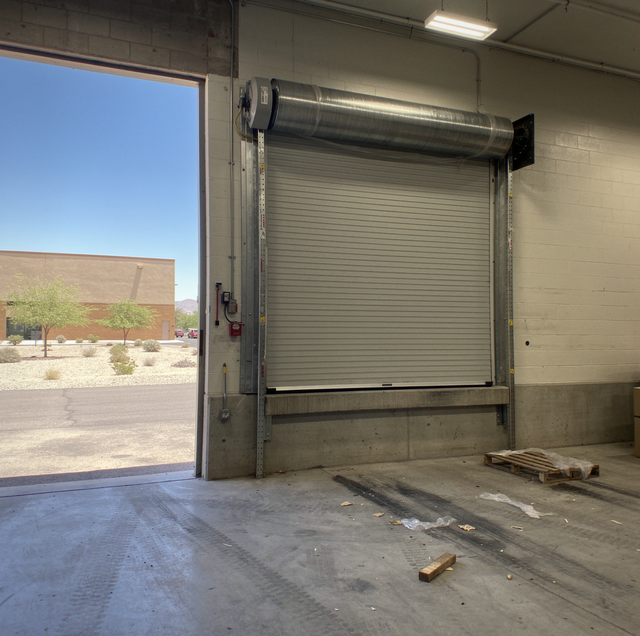
Rolling Steel vs. Sectional Doors: Which Fits Your Facility?
A facility manager staring at an empty bay opening usually has two real options on the table: a rolling steel door, where a curtain of interlocking slats coils up into a barrel above the opening, or a sectional door, where hinged panel sections ride vertical tracks and curve back along the ceiling.
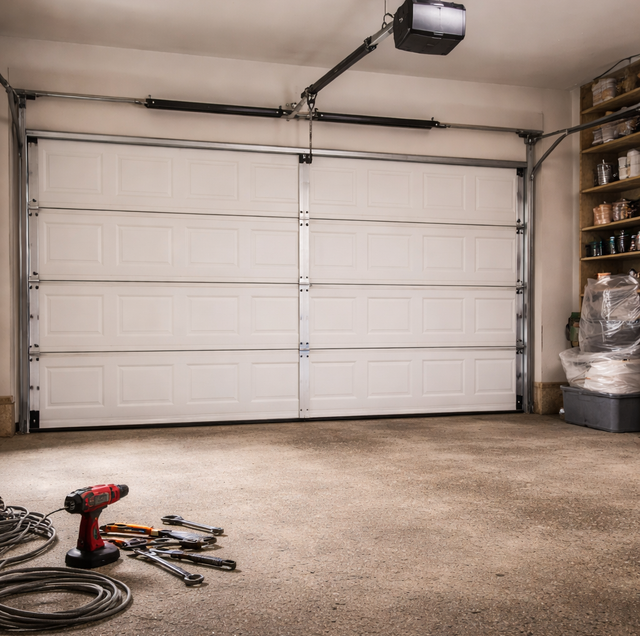
Repair or Replace Your Garage Door: 6 Signs That Decide
A garage door that suddenly won't open, groans on the way up, or hangs crooked in its tracks forces a familiar question: patch the problem, or start over with a new door?
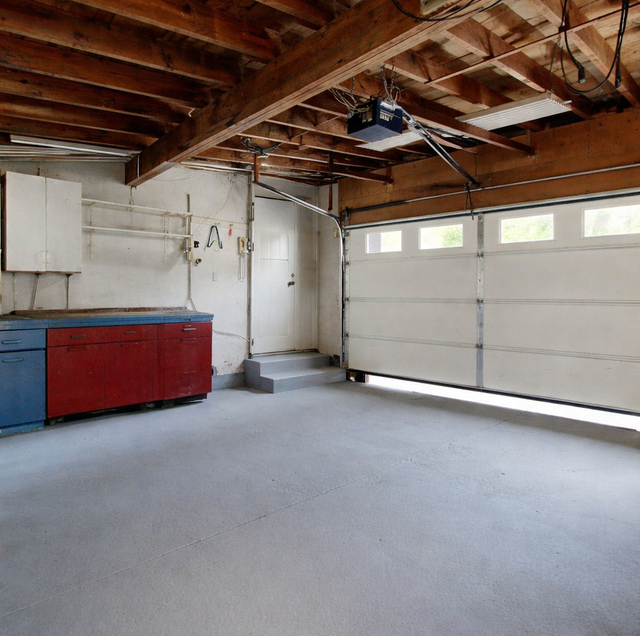
Garage Door Won’t Close and Leaves a Gap? 7 Causes
A garage door that refuses to seal at the bottom is not one problem; it is two very different ones wearing the same disguise.
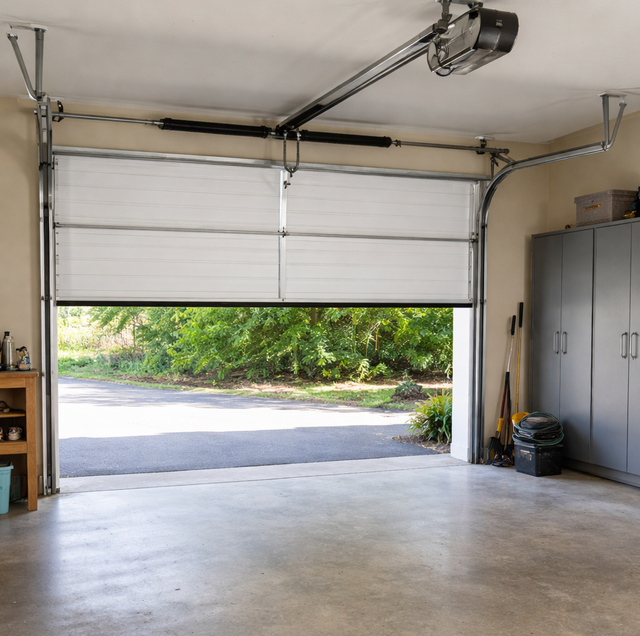
Garage Door Stuck Halfway? 7 Causes and Fast Fixes
A door that runs all the way most days and then parks itself at chest height is telling you something specific.
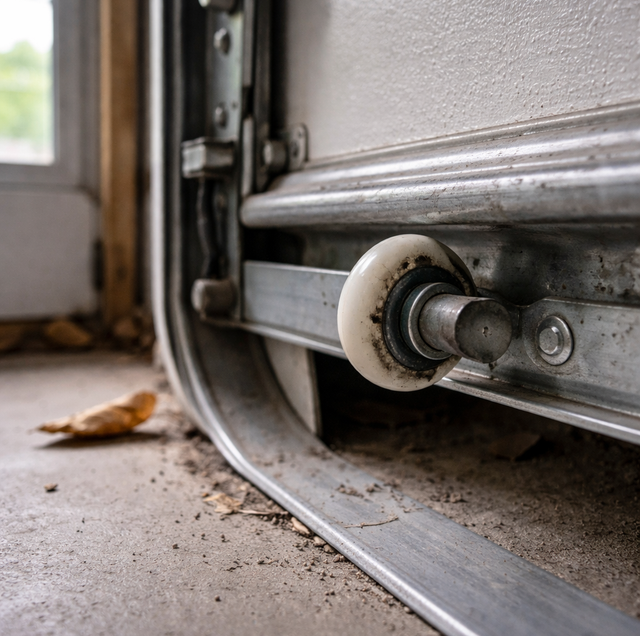
Garage Door Rollers: 5 Wear Signs You Should Never Ignore
Every panel of a sectional garage door has small wheels set into its edges. Those wheels are the rollers, and they sit inside the U-shaped metal tracks running up each side of the opening and back along the ceiling.
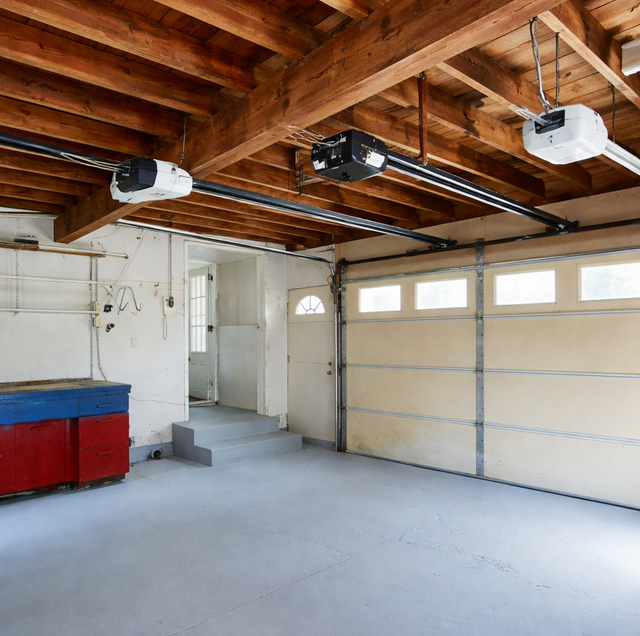
Belt vs Chain vs Screw Drive Opener: Which One Fits?
Shopping for a new garage door opener sounds simple until you hit the drive type question.
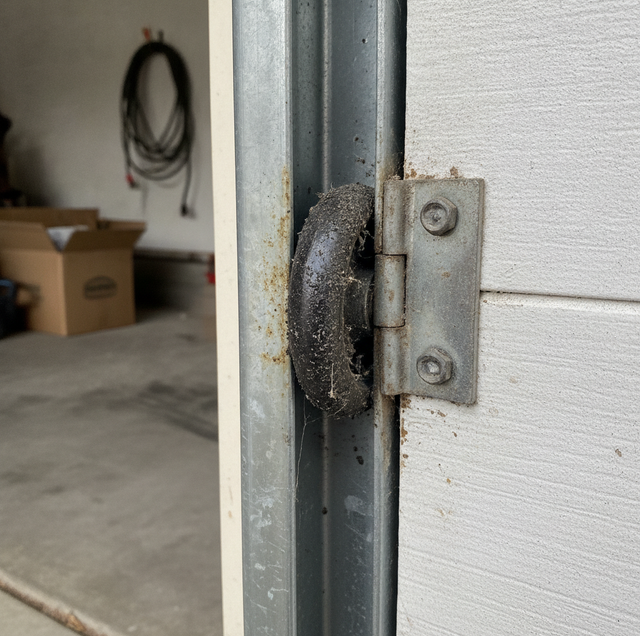
Why Is My Garage Door So Loud Suddenly? Read the Noise
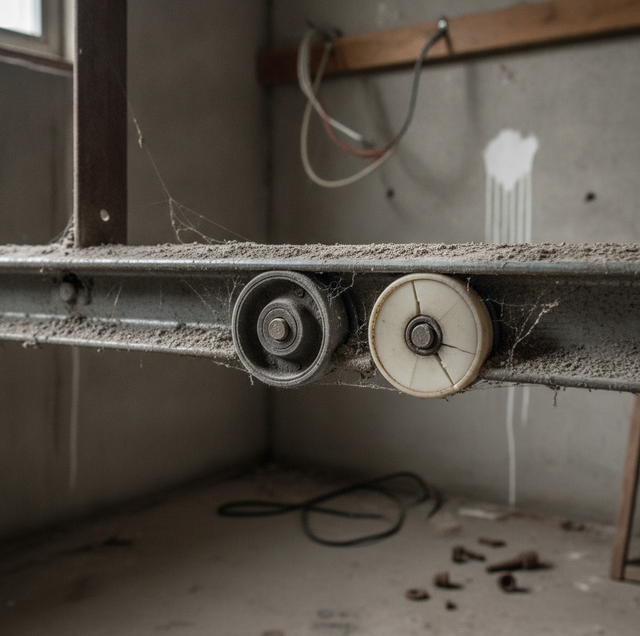
For months, the door opened as background noise, the kind you stopped hearing. Then one morning, you hit the button, and the whole thing announced itself, a grind, a bang, a rattle that rolled through the wall and into the kitchen. A garage door has dozens of moving parts cycling together, and when one starts to fail, it rarely stays quiet about it. The good news is that the noise itself is a diagnosis. Each kind of sound points to a different part, and learning to read them tells you what is wrong and, just as important, whether it is safe to keep using the door.
Why Your Garage Door Shakes or Jerks: 8 Causes to Check
A garage door that works right is almost boring to watch: press the button, it lifts in one smooth pull, and settles at the top. When the same door starts to shudder, hop, or lurch partway up, something changed, and the door is telling you where.
How Long Do Garage Door Springs Last? What Really Sets the Clock
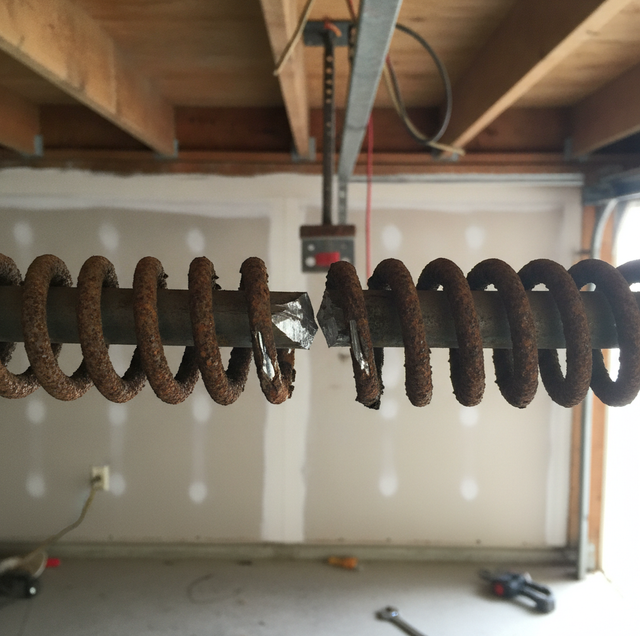
Ask two neighbors how long their garage door springs lasted, and you may hear wildly different answers. One got fifteen years out of a set, the other replaced springs twice in six. Neither of them bought a lemon. The difference comes down to how the part is actually rated, and it has almost nothing to do with the calendar. Once you understand what a spring is really counting, the whole question of how long it will last starts to make sense.
Frayed Garage Door Cable: Is It Safe to Keep Using?
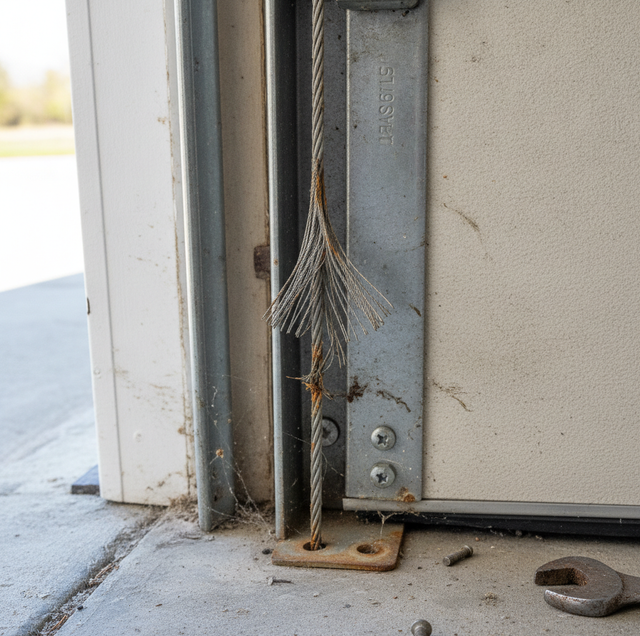
You go to raise your garage door and catch a glimpse of the steel cable running up the side of the opening. Instead of a smooth, tight line, a few thin wire strands are sticking out like a wire brush that lost a fight. The door still works, so it is tempting to keep using it and deal with the cable later. That instinct is the wrong one here. A frayed cable is one of the clearest warnings a garage door gives before something breaks, and the honest answer is no: it is not safe to keep using it.
Garage Door Reversing Just Before It Reaches the Ground? Why
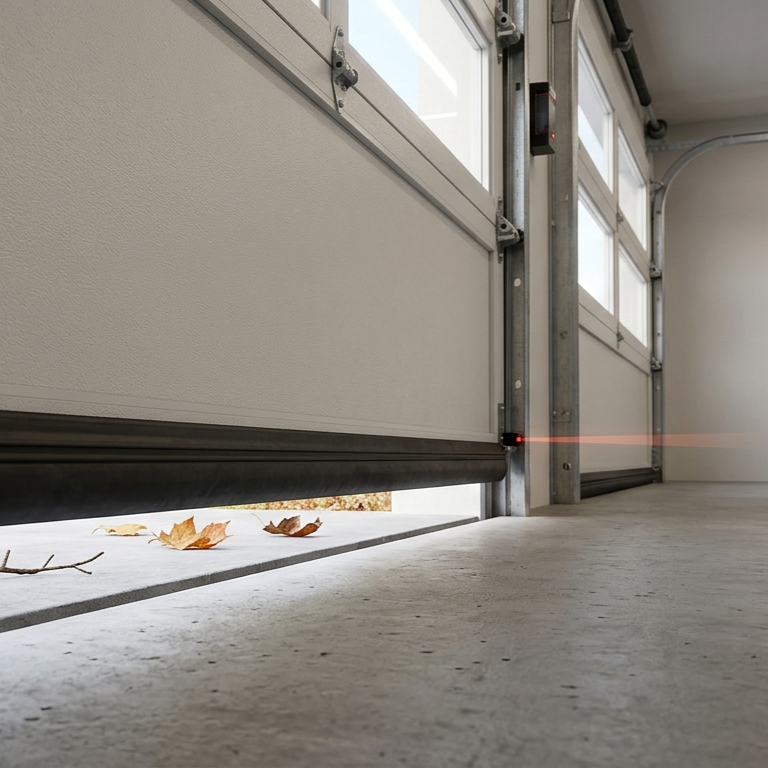
It's a frustrating pattern: the garage door comes down almost all the way, then stops just shy of the floor and rolls back up. The door is doing this on purpose — its opener has safety systems that reverse it when something seems wrong near the bottom of the travel. Figuring out what it's reacting to is the key to making it close all the way.
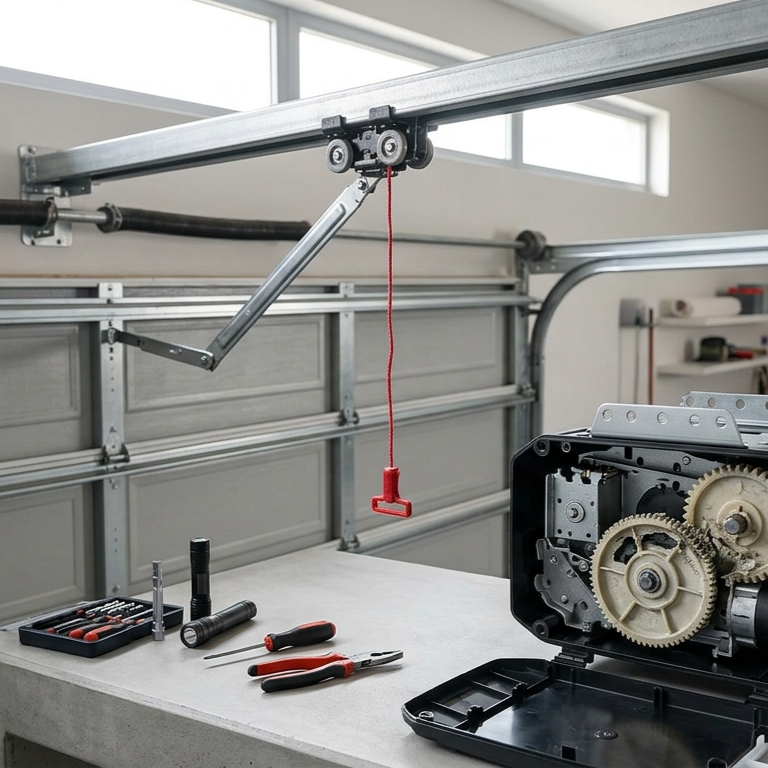
Garage Door Opener Runs but the Door Won’t Move? Why
It's a puzzling situation: you press the button, the opener hums and runs like normal, but the door doesn't budge. The motor clearly has power, yet nothing happens. This almost always means the link between the running motor and the door has been broken somewhere, and the most common reason is also the easiest to fix.
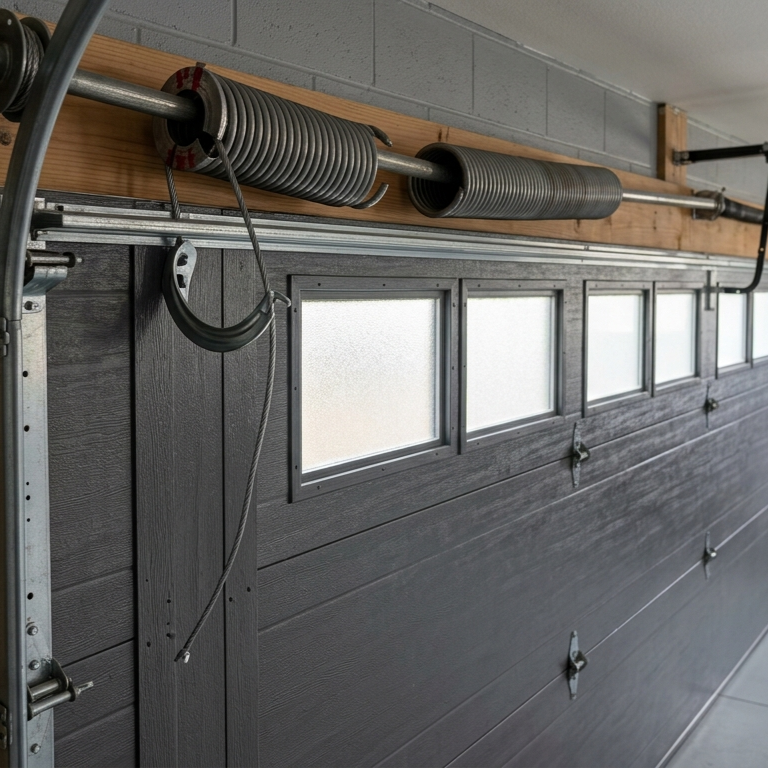
Loud Bang and Now the Garage Door Won't Open? Broken Spring
You heard it from across the house — a loud bang that made you think something had fallen or a gun had gone off in the garage. Now the door won't budge, or it lurched up a few inches and stopped, or the opener growls and gets nowhere. Nine times out of ten, that sound was a garage door spring letting go. Here's what happened, what to do in the next few minutes, and why this is one repair to leave alone.
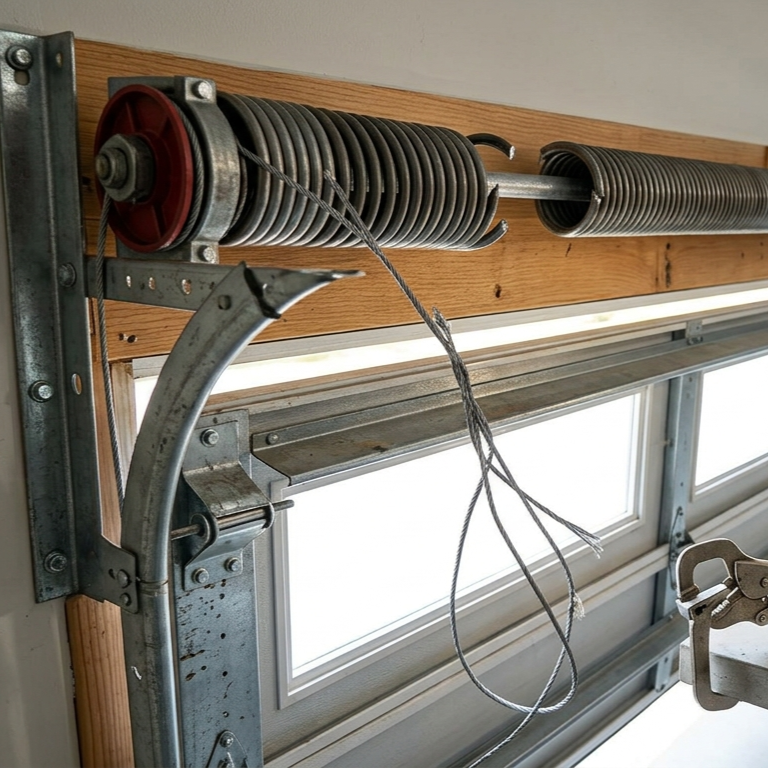
One Side of Your Garage Door Sitting Higher? What It Means
A garage door is supposed to sit square in its opening and rise straight up. When one side ends up higher than the other — leaving the door visibly cocked or crooked — the balanced system that lifts it has developed a problem. Understanding what knocks a door out of level helps you catch it before the door binds or fails.
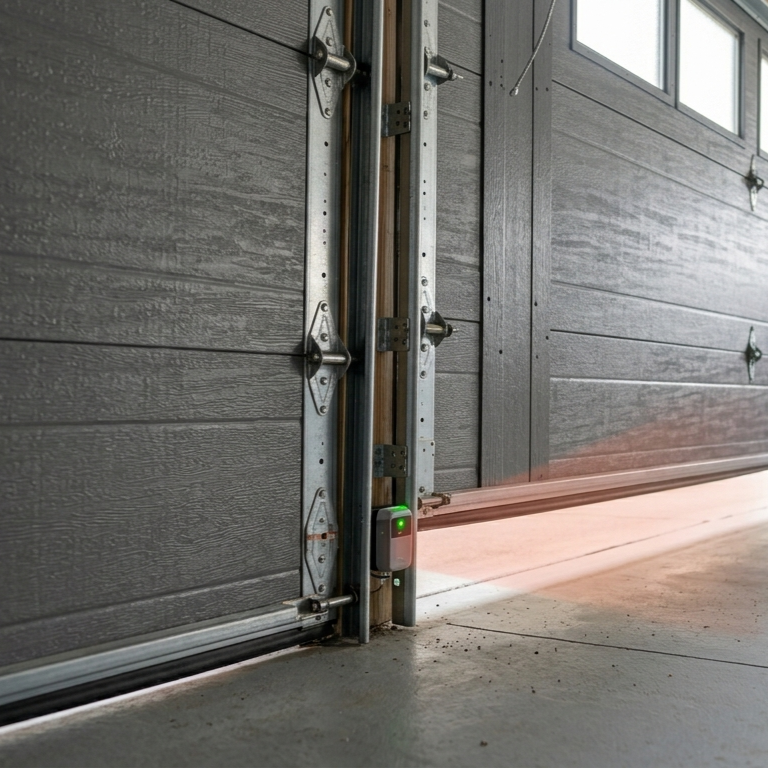
Garage Door Closes Then Opens Right Back Up? What’s Wrong
There are few things more aggravating than watching the garage door close, only for it to reverse and head right back up the moment it touches down. It feels like the door is fighting you. In reality, the opener's safety system is reversing the door because it senses a reason not to stay closed — and tracking down that reason is how you get the door to stay put.
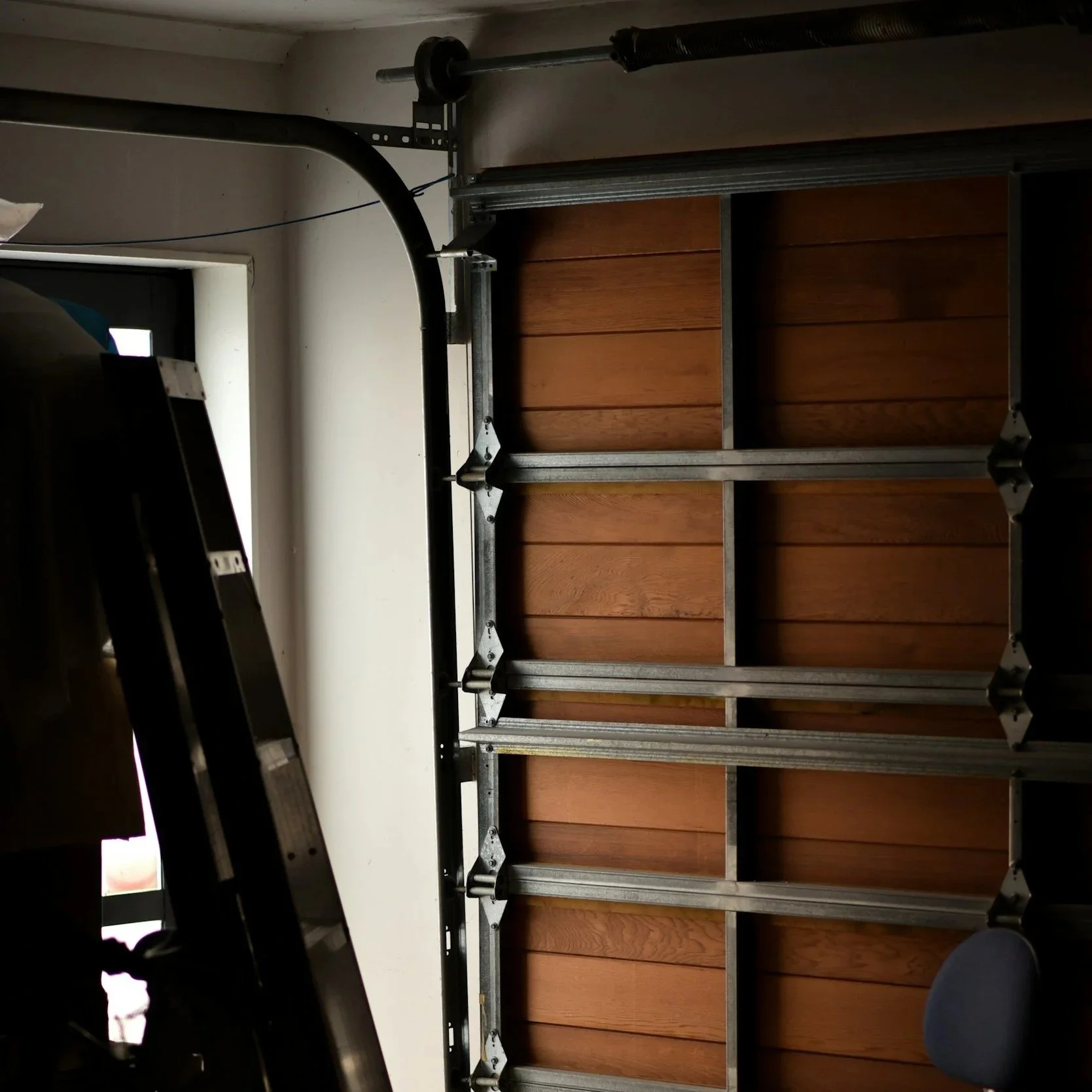
Choosing the Right Garage Door Opener Based on Noise, Power, and Daily Use
Years of servicing garage door systems show how frustration builds when homeowners choose based on price alone.
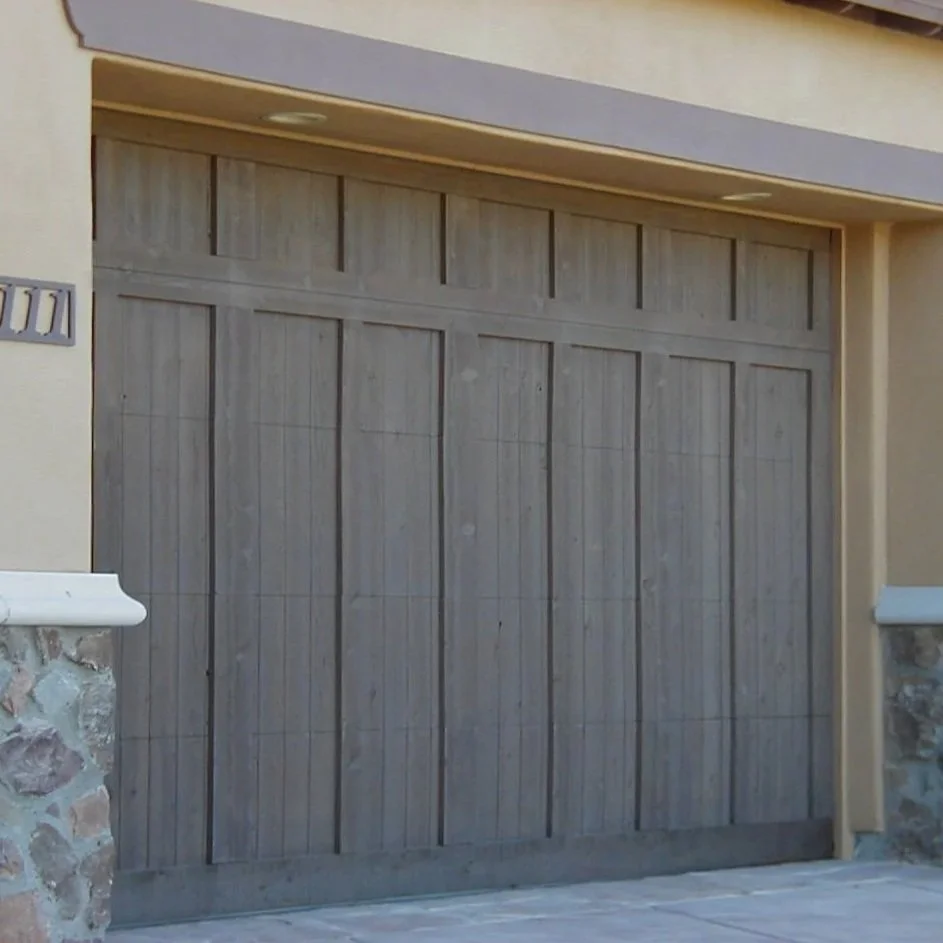
Damaged Garage Door Panels: Repair Options vs Full Replacement
Dents, warping, fading, and cracking tend to appear slowly, which makes it easy to ignore the damage until the door no longer operates the way it once did.
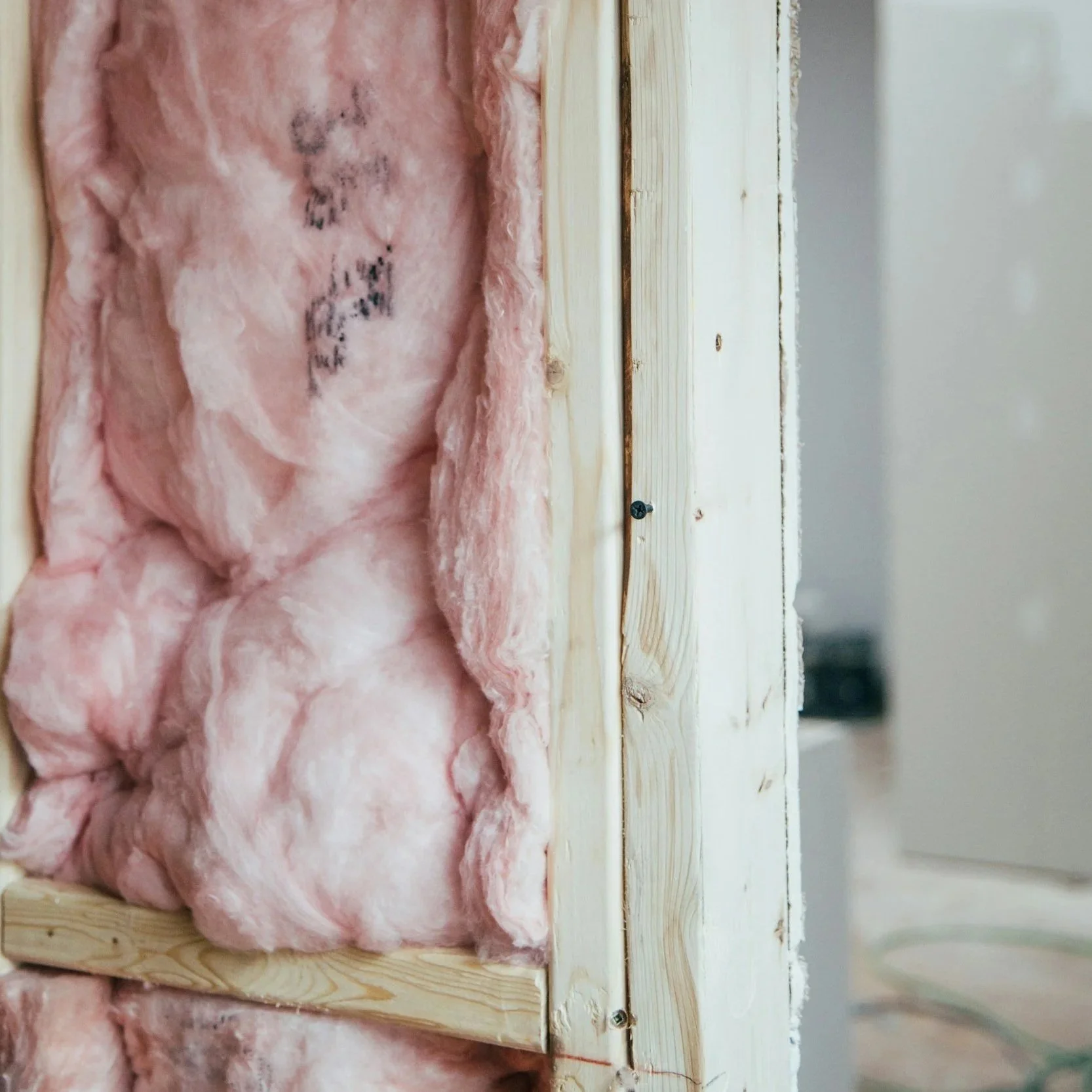
Is Garage Door Insulation Worth It? What Homeowners Notice Almost Immediately
Years in garage door services show that insulation changes daily experience faster than most upgrades.
Locked Out of Your Garage? What Emergency Lockout Assistance Covers
Garages have become primary entry points for many homes, so losing access can feel surprisingly disruptive and stressful.