Forklifts Wait While the Door Stalls
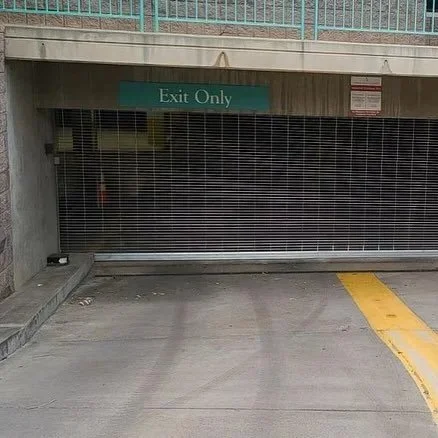
Commercial garage door operators carry the burden of consistency.
In a fast-paced warehouse, there’s one thing no one has time for—a commercial garage door operator that plays hard to start. While forklifts hum and schedules tighten, the garage door takes its time. Sometimes it stalls, sometimes it jerks, and sometimes it decides not to open at all. The whole crew waits. And waits. And somewhere, a delivery schedule starts to unravel.
Commercial garage door operators carry the burden of consistency. When they fail, the ripple effect spreads across the floor. Production pauses. Tempers flare. And the once-reliable doorway becomes the bottleneck nobody saw coming.
When The Equipment Dictates The Pace
Workplaces run on routine. Forklifts move with purpose, product flows predictably, and timing keeps everything in line. When the door operator falters, it introduces a gap in that rhythm. Operators sit idly, tapping steering wheels while a piece of equipment decides whether to cooperate.
Those delays multiply throughout the day. One late delivery turns into rescheduled appointments. One jammed door creates a backup of inventory. Suddenly, everything waits on a single mechanism that should have blended into the background. The silence isn’t calm—it’s costly.
Signals That The Operator Is Tired
Commercial garage door operators often give subtle signs before completely failing. They start to hesitate before opening. They strain to lift. They hum louder than they used to, or they shake the door with every cycle. At first, it seems harmless. But the gradual slowdown hints at deeper wear.
Operators, like every moving part in the system, suffer from long-term strain. Motors wear out. Gears misalign. Circuit boards struggle. Ignoring those signs often leads to full stops at the worst possible moment—like when five forklifts are lined up waiting to load.
Mechanical Drama On Repeat
A commercial door should never be the center of attention. But when it stutters open or drops halfway closed, it steals the show. Forklift drivers start planning their routes around its behavior. Supervisors shuffle schedules. Maintenance staff brace for another “quick fix” that rarely lasts longer than a week.
Eventually, the door becomes the daily disruption nobody wants to deal with. And yet, everyone does—every single time they have to wait. What should take seconds stretches into minutes. Across a week, that’s hours of wasted productivity lost to one underperforming operator.
When The Opener Loses Its Grip
Commercial garage door operators rely on precision. When parts inside the motor housing lose alignment or struggle to power the door, the door hesitates, strains, or fails to open. Sometimes it closes unevenly. Sometimes it stops mid-lift. In either case, the opener has lost control of the system it’s supposed to command.
Some doors limp along for weeks like this, barely holding on. Others surprise everyone with an abrupt halt—right when time matters most. It’s never about one missed open. It’s about the damage done to workflow, safety, and team morale every time the operator chooses chaos.
Safety Takes A Backseat
Doors that don’t operate correctly don’t protect correctly. Commercial garage door operators do more than lift and lower—they help control access, maintain climate zones, and support safety protocols. A faulty opener might ignore sensor input. It might delay the emergency closing. It might fail to hold a partially opened door, putting everyone nearby at risk.
When the operator can’t be trusted to follow commands or respond to its environment, the system loses more than efficiency—it loses dependability. And in active workplaces where timing and precision matter, safety should never take a back seat.
Temporary Fixes Don’t Last
Operators that fail once often fail again. Quick resets and patchwork repairs might get the door moving in the moment, but they rarely address the core problem. Frayed wiring, worn drive chains, or aging circuit boards don’t improve with time. They get worse—until the forklift crew is right back where they started, waiting for a door that forgot how to open.
Every day that goes by with a struggling opener is a missed opportunity to restore full functionality. Eventually, the parts won’t cooperate. Replacement becomes inevitable. The only question is how much time and productivity gets lost before that decision is made.
Investing In Consistency
Modern commercial garage door operators bring more than muscle. They deliver quiet, responsive performance designed for frequent, heavy use. Smart controls allow for better diagnostics. Variable speed settings improve cycle times. Improved safety features stop accidents before they start. In short, the right operator turns the door from a frustration into a feature.
When upgraded properly, operators don’t just lift doors—they lift efficiency. Forklifts don’t wait. Schedules stay intact. People stop talking about the door altogether, because it fades into the routine where it belongs.
Routine Maintenance Makes The Difference
Even the best operators need upkeep. Regular service keeps parts lubricated, wiring inspected, and safety systems responsive. Early signs of wear get addressed before failure occurs. That care adds years to the operator’s life and prevents downtime that nobody can afford.
Technicians who specialize in commercial garage door operators spot trouble before it slows the line. They know which parts typically wear first, and how to fine-tune settings for optimal performance. More importantly, they help avoid surprise breakdowns that turn loading zones into parking lots.
The Real Cost Of A Stalled Door
Every stalled forklift waiting on a slow door costs money. Time ticks by. Deliveries fall behind. Labor hours shift to unplanned adjustments. And the warehouse, which normally hums with efficiency, starts to sound more like a traffic jam.
The cost isn’t always immediate, but it adds up fast. Missed shipments, frustrated clients, overtime labor, and repeat repairs all trace back to one source—the unreliable commercial garage door operator. And when something so small creates so much trouble, it becomes clear where attention needs to go.
Restoring The Flow
When the operator functions correctly, everything else follows. Forklifts glide in, shipments move out, and no one has to circle the warehouse waiting for a reluctant piece of equipment to catch up. The door opens on cue. The crew moves without hesitation. And the only thing slowing down is the noise from past complaints.
Restoring that flow doesn’t take a miracle—it just takes the right focus. Addressing the operator’s performance early keeps it from becoming the workplace diva. With consistent care or a well-timed upgrade, the door returns to the background where it belongs, quietly supporting the busy day ahead.
Commercial garage door operators have one job—and when they do it well, everyone else can do theirs. Let the forklifts move. Let the schedules hold. Let the operator run so smoothly that nobody has to talk about it again.
The skilled, licensed, bonded, and insured technicians at Quality Overhead Door are proud to offer top-quality commercial overhead door repair, rolling steel door installation, rolling steel door repair, dock levelers and seals - installation and repair, dock equipment installation & service, and commercial door operator installation, & maintenance to business owners in Phoenix and the surrounding areas. We are a one stop shop for all your commercial garage door needs. Call now!
