The Garage Door Hums but Goes Nowhere
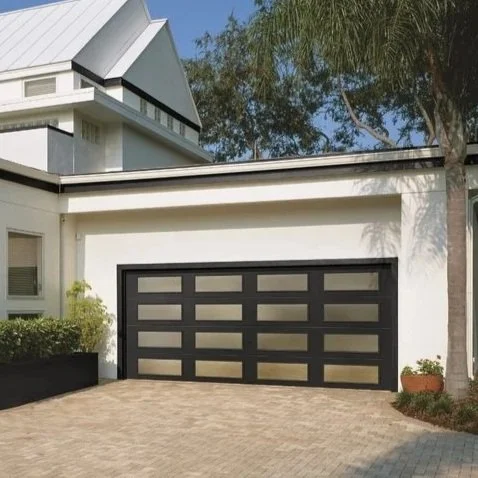
When the motor hums and the door doesn’t budge, something’s gone off track—literally, or maybe even electrically.
The garage door hums like it’s trying. The opener clicks on, the motor stirs to life, and then—nothing. The door stays put. Not even a wiggle. It’s the mechanical version of someone clearing their throat but refusing to speak. And in that moment, all plans involving a vehicle come to a screeching halt.
Garage door operators aren’t dramatic by nature. They’re supposed to move with quiet confidence, lifting and lowering that hefty door like it’s no big deal. But when the motor hums and the door doesn’t budge, something’s gone off track—literally, or maybe even electrically.
The issue might sound simple, but under that familiar humming lies a web of possible culprits. A broken spring, stripped gear, loose chain, or a disengaged trolley can all lead to the same result: an immobile door and a thoroughly frustrated homeowner.
A Sound With No Follow-Through
The hum from the operator often signals that power is flowing and the motor’s ready to work. The problem is, the power isn’t reaching the door in a way that matters. Imagine hitting the gas pedal with a broken drive shaft—it might rev, but it’s not going anywhere.
Garage door operators rely on a chain or belt to transfer motion. If that belt is loose or snapped, the motor can spin all day without moving the door an inch. Likewise, if the trolley is disengaged—say, after pulling the red emergency cord—the system goes manual and the motor simply hums in protest.
In other cases, a stripped gear inside the opener housing might be the culprit. It’s like trying to ride a bike with no chain. The motor tries, but the force doesn’t reach the door. The gear spins, but with nothing to push, the result is a lot of sound and absolutely no motion.
Springs Pull Their Weight—Until They Don’t
When garage door springs fail, they often take the whole system down with them. The operator might still power on, hum in good faith, and do its best—but it was never designed to lift that heavy door on its own. The springs do most of the lifting; the motor just guides the process.
A broken torsion or extension spring leaves the operator dragging hundreds of pounds without backup. It tries, but the weight is too much. The hum becomes the last-ditch effort of a system working beyond its limits.
For safety reasons, modern garage door operators are programmed to stop moving if they detect too much resistance. So when the springs snap or lose tension, the door doesn’t just slow down—it stops altogether. It’s a safety measure that prevents damage to the motor, the tracks, and anyone nearby.
Disconnected Parts, Connected Problems
The garage door opener works as a team player. Tracks, rollers, springs, the operator arm, and the door panels all contribute. When one link breaks, the whole system falters. If the arm connecting the trolley to the door breaks loose, the motor might hum along happily—but nothing’s connected to follow its lead.
Sometimes the door is locked from the inside. It sounds ridiculous, but it happens. Manual locks or side latches can hold the door in place while the opener tries its best to move an object that physically can’t move. The motor keeps humming, stuck in a losing battle.
Other times, debris in the tracks or warped panels blocks movement. The motor starts up, hits resistance, and backs off. It’s trying. It just needs help—preferably from someone who knows garage door operators like the back of their wrench.
Let The Pros Dig In
It’s tempting to poke around, tug a few chains, or pull the emergency release and hope for the best. Sometimes that works. Sometimes it turns a minor issue into a major repair. Professional technicians know where to look and what to listen for. They recognize the hum, check the gears, test the tension, and reconnect the parts that have fallen out of sync.
Garage door operator repair isn’t just about replacing broken parts. It’s about diagnosing the full system—checking the tracks, testing the springs, inspecting the cables, and confirming that nothing’s jammed, off-balance, or about to fail.
The goal isn’t just to make the door move again. It’s to make it move safely, quietly, and without drama. That’s where professional service shines. It fixes more than the obvious and catches the early signs of wear before they shut the door entirely.
When Replacement Makes More Sense
Some operators have served faithfully for years. They’ve lifted thousands of pounds, endured every season, and worked through power flickers, misaligned sensors, and overly enthusiastic kids slamming remotes. Eventually, even the best systems wear out.
If the motor hums but nothing happens, and that motor was installed during the last presidential administration—or the one before—it might be time to stop reviving it and start fresh. New models offer quieter operation, improved safety features, and smoother motion. They also play nicely with smartphones, keypads, and home automation systems.
Upgrading isn’t about chasing gadgets. It’s about restoring trust in a system that’s supposed to work without fuss. And when that trust breaks, every morning becomes a gamble.
A Quieter Kind Of Reliability
The best garage door operators hum with purpose—and then follow through. They don’t stop halfway or stall under pressure. They lift with precision and lower with control, without calling attention to themselves. The hum is only the beginning, not the whole story.
When everything works together—springs balanced, tracks aligned, gears intact—the opener doesn’t have to fight. It glides. It moves like it’s supposed to. The hum becomes background noise, just another part of the morning routine.
Every part matters. The smallest misalignment or overlooked gear can silence the whole show. But with expert attention, even the most stubborn door can return to form.
More Than Just A Door
Garage doors don’t just guard the garage. They protect cars, tools, storage, and entryways. The operator behind that door plays a central role in home security and daily convenience. It deserves the same level of care given to any other essential system in the home.
When the motor hums and nothing happens, it’s a signal—not just of failure, but of a system calling for attention. The fix might be simple. It might involve a few parts, a few adjustments, and a trained hand. Or it might be time for an upgrade that brings peace of mind with every button press.
In either case, the silence after the hum doesn’t have to last. With the right help, the door moves again. Quietly. Smoothly. Without hesitation.
Quality Overhead Door is a trusted garage door repair and installation company in Mesa, AZ. We offer emergency garage door repair, new garage door installation, garage door springs, garage door panels, and garage door openers solutions to residential and commercial customers. Licensed, bonded, and insured with over two decades of experience. Call today.
