Torsion Drama and the Physics of Garage Mayhem
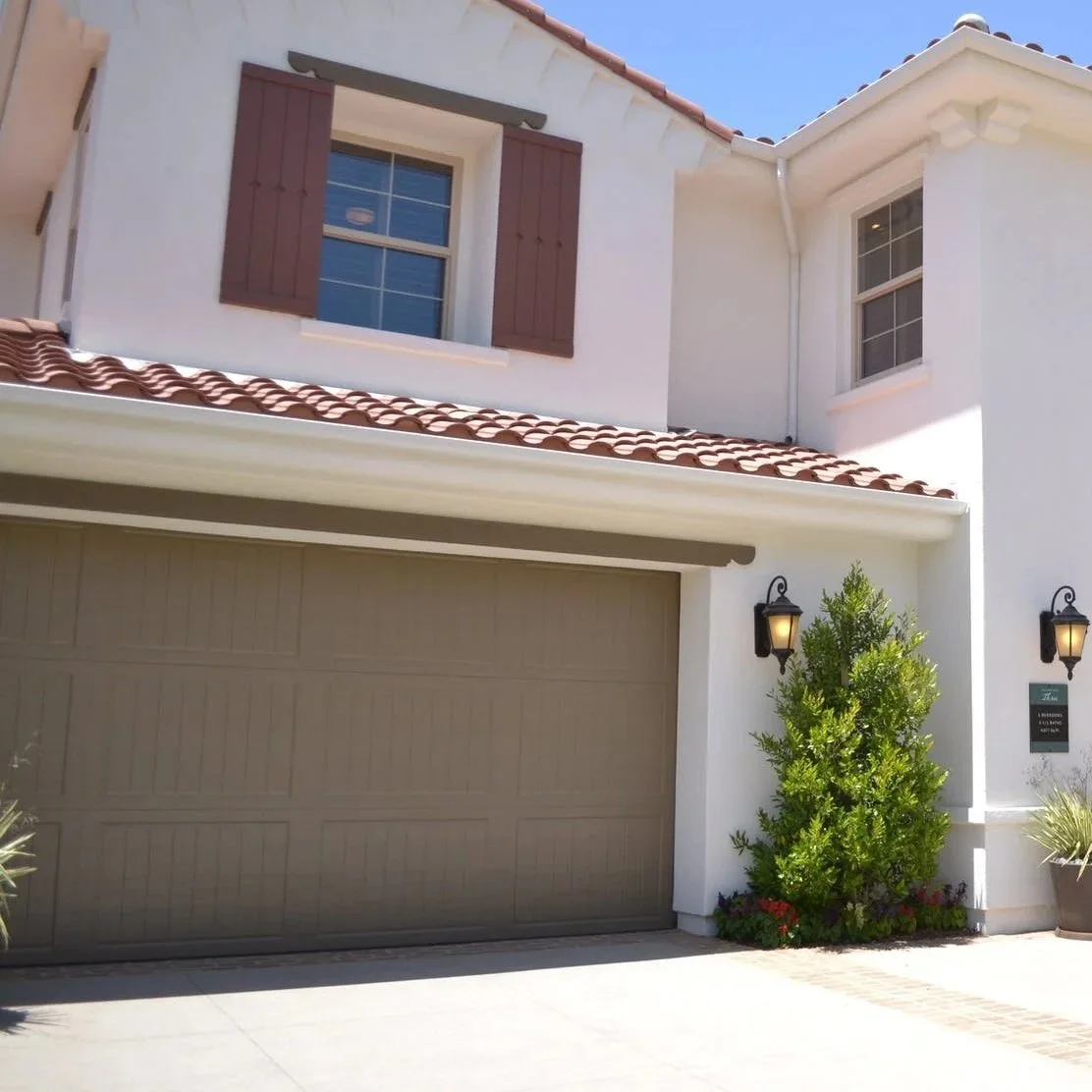
They handle the heavy lifting—literally—taking on the majority of the door’s weight with each open and close.
When a garage door operates smoothly, it’s easy to take it for granted. The quiet hum of the opener, the smooth glide of the door, and the seamless rhythm of daily life all hinge on one small but mighty component: the torsion spring. But when that spring decides to call it quits, the garage door scene shifts from ordinary to chaotic in the blink of an eye.
Torsion springs are like the unsung heroes of the garage door world. They handle the heavy lifting—literally—taking on the majority of the door’s weight with each open and close. And when they break, the result isn’t just a little inconvenience; it’s a full-blown garage drama. A broken torsion spring means a door that won’t open, a vehicle that stays stuck inside, and a very frustrating experience that’s both inconvenient and potentially dangerous.
Understanding Torsion Springs and Their Role
Before the chaos of a broken spring sets in, it helps to understand what makes torsion springs so critical to the garage door’s function. Torsion springs are the backbone of the system. They are installed above the garage door, and they store a tremendous amount of energy when wound up. As the door opens and closes, the springs unwind and wind back up, helping the door move smoothly and evenly. The motor assists, but it’s the spring that really does the heavy lifting.
Without the torsion spring, the garage door would be little more than a massive weight that can’t budge. The motor could run all day, but without that spring tension, the door wouldn’t move. The springs balance the weight of the door and make sure that the opener isn’t doing all the hard work. When one of them breaks, everything goes sideways.
The Moment of Impact
A broken torsion spring can sound like a gunshot—an unmistakable, loud pop that signals something has gone terribly wrong. If you’re lucky, you’ll notice the problem right away: the door starts to rise, but it only makes it a few inches before coming to an abrupt stop. Or, it might open unevenly, with one side lifting higher than the other. You’ll know something’s off, but finding the source of the problem isn’t always so obvious.
Garage door springs don’t wear out slowly. They work under immense tension, and over time, that constant pressure takes its toll. Eventually, the steel snaps. While some springs may last for years, others can break unexpectedly after only a few seasons. The timing is rarely convenient. It always seems to happen when you’re in a rush, leaving you stranded with a garage door that won’t budge.
The Dangers of DIY Repairs
Many homeowners think they can handle a torsion spring replacement on their own. While the internet is full of how-to guides and instructional videos, replacing a broken torsion spring is not a job for amateurs. These springs are under extreme tension, and trying to replace one without the right knowledge or tools can lead to serious injury.
When torsion springs break, they release all the tension they’ve been storing. If you try to remove or replace a broken spring without proper precautions, it can snap with incredible force, causing serious harm. Even experienced technicians approach torsion spring replacement with caution and care because of the potential hazards.
A professional technician has the necessary tools, training, and expertise to replace a broken torsion spring safely. They understand the delicate balance of tension required to confirm the door operates properly. They also know how to check for other potential issues that may have resulted from the spring’s failure—such as misaligned tracks or damaged cables.
Replacing Both Springs
Most garage doors use two torsion springs, even though only one may break at a time. Since torsion springs generally wear out at the same rate, when one breaks, the other isn’t far behind. Replacing just one spring can leave the door unbalanced, putting unnecessary strain on the opener and other components. It’s like fixing one flat tire on your car and hoping the other one holds up. It doesn’t work that way.
By replacing both springs at once, you restore balance to the door and prolong the lifespan of the entire system. It also reduces the chances of a second spring breaking soon after the first, sparing you another trip for a quick fix.
The Chain Reaction of Garage Door Failure
A broken torsion spring doesn’t just impact the spring itself. It sets off a chain reaction of problems that affect the entire system. When the springs fail, the door becomes imbalanced, which can cause the cables to fray or snap. The rollers can fall off their tracks, and the opener motor may struggle to handle the additional load. The whole setup becomes unstable.
A single broken spring can cause damage to other parts of the door, and while replacing the spring might fix the immediate problem, it may not address the underlying issues. That’s why it’s important to have a professional technician perform a full inspection when replacing a torsion spring. They can make sure the cables, tracks, and rollers are in good condition and replace any damaged parts while they’re at it.
The Importance of Maintenance
Like any mechanical system, the garage door needs regular maintenance to keep it running smoothly. Torsion springs are no exception. Regular lubrication and inspection can help identify signs of wear before a spring breaks. Most people don’t think about their garage door until something goes wrong, but a little proactive care goes a long way in extending the lifespan of the entire system.
Scheduling annual maintenance with a professional technician can catch potential issues before they become major problems. This not only saves time and money but also reduces the likelihood of an unexpected spring failure that can cause major disruptions in your daily routine.
When It’s Time to Replace the Entire System
In some cases, a broken torsion spring signals the end of the line for an older garage door system. If the door has been in use for many years, consider an upgrade. Newer systems are quieter, more energy-efficient, and come with advanced safety features. If your torsion spring is breaking frequently or the door is showing signs of wear, replacing the entire system might be the best solution.
A new garage door and opener system not only restores functionality but also improves the look and security of your home. It’s an investment that can pay off in the long run by increasing property value and reducing repair costs.
Conclusion
Torsion springs are constantly working tirelessly in the background to keep everything moving smoothly. When they fail, the entire system will halt, causing frustration and potential safety hazards. While DIY repairs may seem tempting, replacing torsion springs is a job best left to professionals who can handle the tension and balance the system for optimal performance.
Routine maintenance and timely repairs can keep your garage door running smoothly, while a new system can breathe new life into your home. When a torsion spring breaks, don’t let the garage chaos take over—call in the pros and restore balance to your garage door system.
Quality Overhead Door is a trusted garage door repair and installation company in Mesa, AZ. We offer emergency garage door repair, new garage door installation, garage door springs, garage door panels, and garage door openers solutions to residential and commercial customers. Licensed, bonded, and insured with over two decades of experience. Call today.
