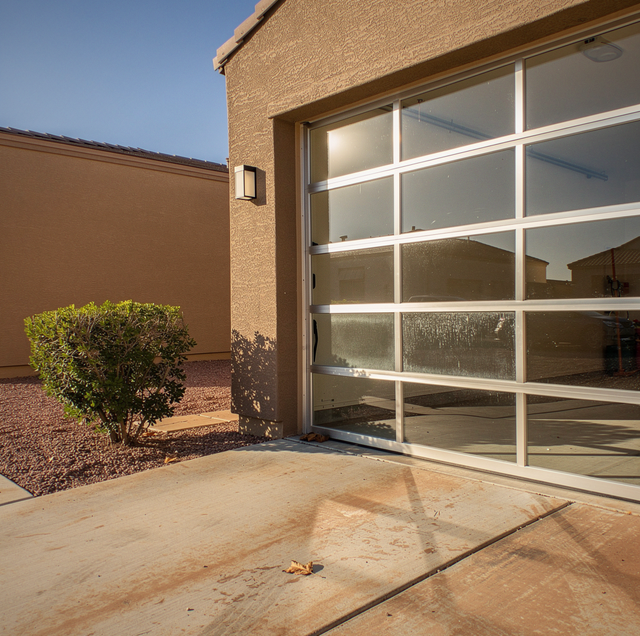
A full-view garage door made almost entirely of glass looks nothing like the door next to it, and that is usually the point. Before ordering one, it helps to separate what the glazing does from what the frame looks like, because the two decisions are not independent. Quality Overhead Door fields this question often from homeowners who have seen a glass door online and want to know whether it will work on their own house, elevation, and climate. The short version is that the glass does almost all of the work, and the frame color is the easy part. This post walks through the glazing choices, the trade-offs each carries, and how to match a glazing to the way a garage gets used, so a decision that is hard to undo gets made with the right information in hand.
Are glass garage doors a good idea in a hot climate?
Quick Answer: Glass garage doors work well in a hot climate when the glazing is matched to the door's orientation. Clear glass on a west or south-facing elevation lets in direct afternoon sun and heat. Obscure, tinted, or insulated low-E glazing block most of that same heat while still passing daylight, which is why orientation matters more than the glass itself.
What a full-view glass door is actually made of
A full-view garage door is built around an aluminum frame carrying large panes across the whole opening, rather than steel or wood sections with small inset windows. The frame finish is either powder coating, a cured polymer color baked onto the metal, or anodizing, an electrochemical process that converts the aluminum surface rather than coating it. The glazing comes in three basic families: clear, which gives an unobstructed view both ways; obscure or frosted, which scatters the light so daylight passes through but the view does not; and tinted, which darkens the appearance and cuts glare and some solar heat. Tinted glazing is frequently specified alongside obscure glazing rather than as an alternative to it. Beyond those three, insulated glazing adds a sealed air gap between two panes, and a low-E coating reflects a portion of the infrared energy in sunlight before it reaches the glass's interior face. Those upgrades change how much heat gets through, which matters most once the door faces direct sun for part of the day.
What the elevation does to the glazing decision
The single biggest mistake in choosing a glazing is picking it before checking which direction the door faces. A west-facing or south-facing opening in a hot climate takes direct, low-angle sun for several hours in the afternoon, and glass transmits a far higher share of that solar energy than an insulated steel panel does. Clear glass on that elevation turns the garage into a greenhouse for part of the day. A north or east-facing door gets a fraction of that exposure and can carry clear or lightly obscured glass without the same consequence.
Obscure glazing does not block heat by itself; it scatters visible light so the view disappears while most daylight still passes through. Tinted glazing actually reduces the solar energy crossing the glass, and a low-E coating goes further by reflecting a portion of the infrared wavelengths that carry the most heat. The two are often paired: tint for the heat, obscure for the privacy.
Where the heat question stops being cosmetic is a garage that is cooled, finished, or shares a wall with living space. There, insulated glazing, a sealed air layer between two panes, is worth the added cost because the thermal load becomes an energy bill rather than a comfort issue. On a detached, unconditioned garage used mainly for parking, the same upgrade does comparatively little.
The weight problem nobody mentions until the order
Glass and aluminum together weigh more than most people expect, and a full-view door is frequently the heaviest residential door on a given street. The torsion spring set has to be calculated from the door's actual weight rather than carried over from the previous door, because a spring sized for a lighter steel door leaves a glass door hanging unevenly or refusing to stay open. An opener sized for a standard pan door may also lack the horsepower to lift it safely.
Width adds a second constraint tied to the same weight problem. On some product lines, whether a door can be built wider than roughly twelve feet depends on how heavy the specified glazing is, because a wide section carrying heavy infill has to stay straight under its own weight through thousands of cycles. Heavier glass narrows the maximum width available, so the glazing and the opening's width are not two separate decisions.
On security, tempered glass breaks into small, blunt fragments rather than sharp shards, and laminated glass holds together around a plastic interlayer even when cracked, both of which slow forced entry compared with ordinary glass. Neither claim means a glass door matches a solid steel one; the comparison depends on the specific glazing and frame, and the lock and opener's engagement with the track matter as much as the panel material.
Matching the glazing to how the garage gets used
The right glazing changes depending on what sits behind the door. On a contemporary house where the garage door is part of the street-facing architecture, the frame color usually has to match existing window frames or fascia, and the glazing becomes secondary once that match is settled. Anodized finishes can vary from batch to batch in a way powder coating does not, so testing an actual sample is worth doing first.
On a workshop, a converted garage, or any space where someone spends real time, daylight matters more than frame color. Obscure glazing on a north or east elevation delivers steady, even light without inviting a view in from the street, which for a working space is usually the better trade than clear glass that also shows every tool on the wall. Anyone still comparing a full-view glass door against steel, wood, or custom panel options more broadly may find this garage door buying guide useful for weighing those materials against each other before narrowing down to glazing specifics.
On an attached garage sharing a wall with living space, the thermal question stops being optional, because heat or cold moving through an uninsulated glass door affects the room on the other side of that wall. That is where insulated and low-E glazing earn their cost fastest. A detached garage used only for parking carries none of that pressure, and the same upgrade there mostly buys comfort rather than solving a problem.
What drives the price on a glass garage door
A full-view door is quoted per job rather than off a price list, because several variables move the number independently of each other.
- The glazing itself: clear, obscure, tinted, insulated, and low-E are priced differently, and this is usually the largest line on the quote.
- Whether the glazing is single-pane or insulated, since a sealed double pane is a different product from a single sheet.
- The frame finish, since a standard powder-coat color costs less than an anodized or custom-matched finish.
- The door's width, which interacts with the glazing weight covered above.
- The spring set, sized to the door's actual weight rather than carried over from an existing door.
- Whether the existing opener can be reused or needs replacing for the added weight.
A quote that skips most of these and gives one number is a price rather than a specification.
Before ordering a glazing
A few questions settle most of the decision before a configurator or a showroom visit does it by default.
- Which direction does the opening face, and does it get direct afternoon sun for part of the year?
- Is the space behind the door conditioned or sharing a wall with living space, or is it detached and unconditioned?
- Does privacy matter more than the view, or does the view matter more than the heat?
- Does an HOA or architectural review committee have rules about glass area or frame color that need checking first?
- What width is the door, and does the glazing being considered actually fit it?
- Is the current opener rated for a heavier glass assembly, or does it need to be sized up?
Answering those in order, before choosing a specific glass type by name, avoids the two most common regrets on this door type: clear glazing that overheats a west-facing garage, and a glazing ordered before anyone checked whether the door could be built that wide.
Frequently Asked Questions
They work well on the right elevation and for the right use. A north or east-facing opening on a workshop is usually a good fit, while clear glazing on a west or south elevation is the combination most people regret. Orientation and use decide it, not the glass itself.
Standard single-pane glazing insulates less than a steel sectional door, so on its own it is not the most efficient option. Insulated double-pane glazing with a low-E coating closes most of that gap, particularly on a garage that is conditioned or shares a wall with living space.
The price depends on the glazing, the frame finish, the width, and any spring or opener changes a heavier door requires, so no single figure applies across the board. A full-view door is ordered per opening.
Performance depends on the glazing and the climate, not the glass category as a whole. In a hot climate, obscure, tinted, or insulated low-E glazing on a sun-facing elevation performs far better than clear single-pane glass, and the same insulated glazing helps retain heat in winter.
Yes, and tint is one of the few glazing choices that reduces solar energy crossing the glass rather than just obscuring the view. It is frequently specified together with obscure or frosted glazing, since one handles privacy and the other handles heat.
Tempered glass breaks into small, blunt pieces rather than sharp shards, and laminated glass holds together around a plastic layer when cracked, slowing forced entry. Neither makes a glass door equivalent to steel; that depends on the glazing, frame, and opener.
The decision in one pass
Choosing a glazing before checking the elevation it will face is the most common path to regret on this door type, and the fix costs nothing: match the glass to the sun the opening gets, and match the space's use to how much that glass needs to insulate. Once those two answers are settled, the frame color and finish are the easy part. Quality Overhead Door measures the opening, discusses the width-and-glazing combination in writing, and shows the glass in person before anything is ordered, because a glass door is difficult to undo once a deposit is placed. A short phone call describing the elevation and how the space gets used usually narrows the glazing question to one or two choices.
Call (480) 999-9417 or request an estimate online. Showroom and parts counter: 1660 N Rosemont Ste 107, Mesa, AZ 85205, open Monday to Friday, 7:00 a.m. to 3:00 p.m. ROC #310144 — licensed, bonded, and insured. Financing available through Wisetack.
