Is Garage Door Insulation Worth It? What Homeowners Notice Almost Immediately
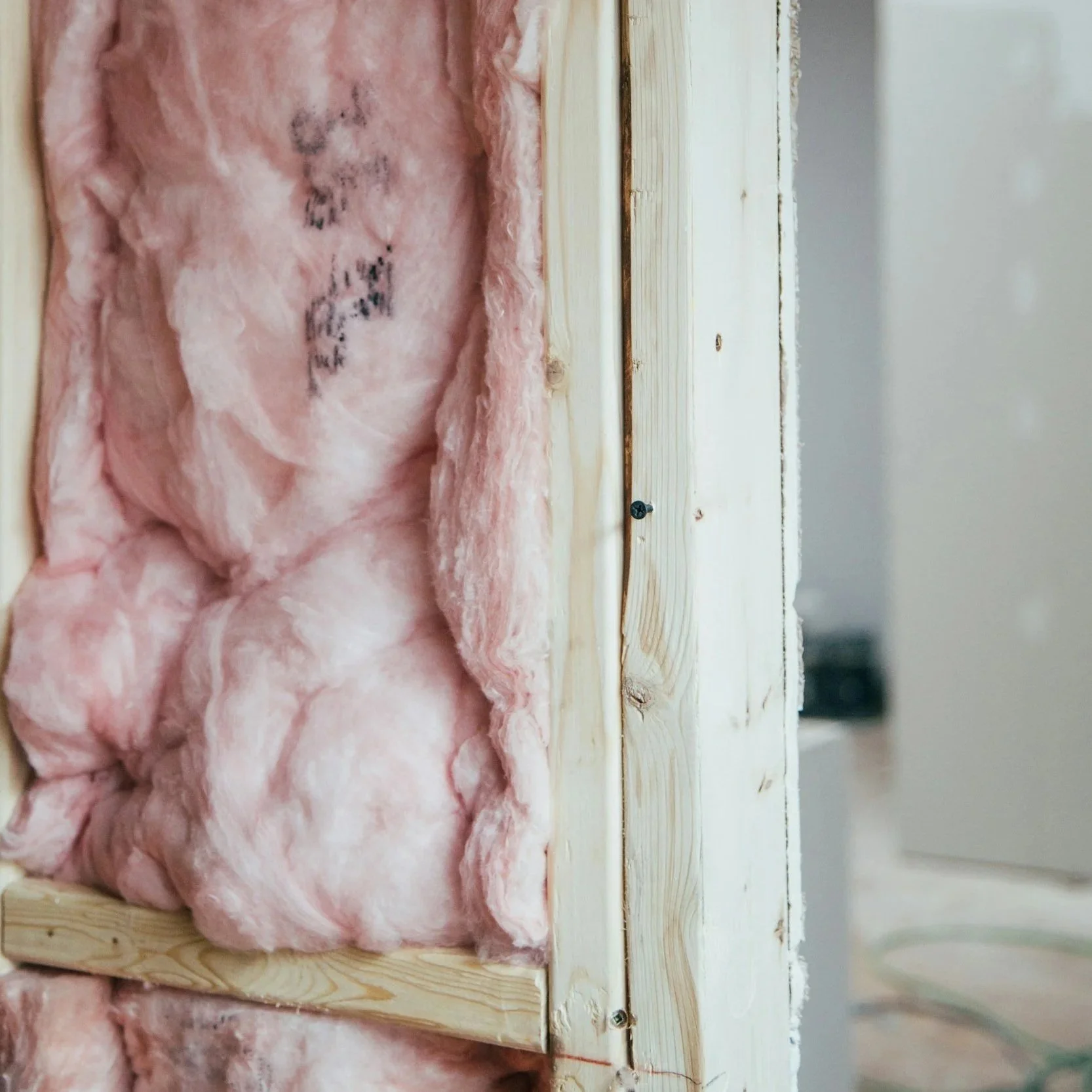
Years in garage door services show that insulation changes daily experience faster than most upgrades.
Garage doors rank among the largest and least insulated surfaces on many homes, yet they often receive far less attention than walls or windows. In Phoenix, AZ, homeowners quickly feel the effects of that oversight when garages turn into heat traps that radiate warmth into nearby rooms. Those conditions prompt many homeowners to question whether garage door insulation delivers meaningful, real world improvement.
Years in garage door services show that insulation changes daily experience faster than most upgrades. Homeowners often expect benefits to appear gradually through energy savings alone, but the most noticeable differences arrive through comfort, noise reduction, and smoother system performance. Garage door insulation services tend to deliver immediate, tangible results that homeowners feel rather than calculate.
How Garage Door Insulation Changes Temperature Behavior
Garage doors function like large thermal panels that absorb and release heat throughout the day. Uninsulated metal doors soak up direct sunlight and radiate that heat inward for hours, especially during Phoenix summers when afternoon sun remains intense well into the evening. That heat transfer affects not just the garage, but the entire structure connected to it.
Garage door insulation services slow that heat movement by adding thermal resistance to the door surface. Insulated panels absorb less radiant heat and release it more gradually, reducing temperature spikes inside the garage. Homeowners often notice that garages stay cooler during peak afternoon hours and cool down faster after sunset.
Over time, insulation also stabilizes daily temperature swings. Reduced extremes place less stress on walls, ceilings, and adjacent rooms. The garage becomes less of a thermal buffer zone and more of a moderated space that influences the rest of the home more gently.
Immediate Comfort Improvements Homeowners Feel
One of the fastest changes homeowners notice involves how the garage feels when entering it. Instead of stepping into a blast of trapped heat, the space feels noticeably calmer and less oppressive, even without active cooling. That shift becomes obvious during everyday tasks like unloading groceries or grabbing stored items.
Homes with rooms above or beside the garage feel the difference quickly. Floors stay cooler, and indoor temperatures settle faster once the sun drops. In Phoenix homes where garages share walls with kitchens or bedrooms, insulation reduces the heat bleed that often lingers late into the night.
Garage door insulation services do not convert garages into air conditioned rooms, but they reduce extremes enough to improve daily comfort. That improvement often surprises homeowners who expected insulation benefits to take much longer to notice.
Noise Reduction And Quieter Daily Operation
Garage door noise travels easily through uninsulated panels. Metal doors amplify vibration from rollers and tracks, allowing sound to echo into nearby rooms. Early morning departures or late night returns often feel louder than expected in homes with attached garages.
Insulated garage doors absorb vibration rather than reflecting it. Added mass dampens movement, resulting in smoother and quieter operation. Many homeowners notice the difference the first time the door opens after insulation installation.
Garage door insulation services also reduce outside noise entering the garage. Traffic sounds, neighborhood activity, and street noise transmit less through insulated panels, benefiting homes where garages sit beneath bedrooms or workspaces.
Impact On Energy Use And Interior Climate
Garage door insulation influences energy performance indirectly by stabilizing temperatures near shared walls. In Phoenix homes, garages often connect to living areas, and uninsulated doors increase heat load during peak cooling hours.
By slowing heat transfer, insulated garage doors reduce temperature fluctuations along those shared surfaces. Air conditioning systems operate more consistently, avoiding sudden spikes when heat radiates inward from the garage during late afternoons.
Garage door insulation services complement existing insulation and HVAC systems. Homeowners often notice fewer hot spots and more balanced indoor comfort shortly after installation, even without changes to their cooling equipment.
How Insulation Affects Garage Door Hardware And Lifespan
Extreme temperature swings place ongoing stress on garage door hardware, especially in Phoenix where daily heat cycles are intense. Metal expands during peak heat and contracts overnight, which gradually loosens fasteners and accelerates wear on rollers, hinges, tracks, and mounting brackets throughout the system.
Insulated doors experience smaller and slower temperature changes, which helps hardware maintain proper alignment for longer periods. Rollers travel more consistently, tracks resist gradual warping, and fasteners stay tighter under normal operation, reducing vibration and minimizing the repetitive stress that leads to premature component wear.
Garage door insulation services indirectly support long-term system lifespan by moderating thermal stress across the entire door assembly. Homeowners often notice fewer alignment adjustments, reduced vibration noise, and less frequent service needs after insulating their doors, especially during extended summer heat cycles.
Different Insulation Types And What Homeowners Notice
Garage door insulation options vary widely in material, thickness, and performance characteristics. Foam board insulation adds rigidity and weight to door panels, which improves noise reduction and creates a more solid feel during operation. Reflective insulation focuses on reducing radiant heat, making it especially useful for sun exposed doors.
Factory insulated doors combine insulation with reinforced panel construction, creating a unified structure rather than an add on layer. These doors flex less during movement, feel sturdier when opening or closing, and typically produce smoother, quieter operation that homeowners notice immediately during daily use.
Garage door insulation services help homeowners choose insulation types based on how the garage functions. Storage areas, workshops, and attached living spaces experience different benefits, and the right insulation choice determines whether temperature control, noise reduction, or structural feel becomes the most noticeable improvement.
Attached Garages Versus Detached Garages
Attached garages experience insulation benefits more quickly because they directly influence interior living spaces. Reducing heat transfer through the garage door lowers the temperature impact on shared walls, ceilings, and floors, which improves indoor comfort rather than limiting benefits only to the garage itself.
Detached garages still benefit from insulation, particularly in terms of usability and storage protection. Tools, equipment, vehicles, and stored household items experience less extreme temperature variation, which reduces heat related deterioration and makes the space more comfortable for occasional use.
Garage door insulation services often prioritize attached garages because homeowners feel the comfort improvements immediately inside the home. Detached garages still gain value, though benefits focus more on protection, usability, and reduced exposure to harsh temperature swings.
Daily Use Patterns And Perceived Value
Homes with frequent garage use tend to notice insulation benefits more clearly and more quickly. Every open and close cycle exchanges air, and insulated doors slow that exchange, preventing sudden heat surges that uninsulated doors allow during repeated daily operation.
Garages used as workshops, hobby areas, or utility spaces feel significantly more usable after insulation. Reduced heat buildup and quieter door operation create a more comfortable environment, even without adding cooling equipment or making other major modifications.
Garage door insulation services deliver the most noticeable value in high use garages. The more time homeowners spend in the space, the faster they recognize improvements in comfort, noise control, and overall usability compared to uninsulated conditions.
Seasonal Performance In Phoenix Conditions
Phoenix summers reveal insulation performance quickly due to prolonged sun exposure and consistently high ambient temperatures. Insulated garage doors slow heat buildup during the day, preventing garages from becoming extreme heat reservoirs that radiate warmth into the home for hours.
Homeowners often report that insulated garages release heat more efficiently at night. Once outdoor temperatures drop, insulated spaces cool down faster than uninsulated garages that continue radiating stored heat long after sunset.
Winter benefits appear more subtly but remain noticeable. Insulation reduces overnight temperature swings, helping garages feel less dramatically cold during cooler desert nights and maintaining a more stable environment year round.
Cost Considerations Versus Immediate Results
Many homeowners approach garage door insulation by weighing upfront costs against long-term energy savings. What often surprises them is how quickly non-financial benefits appear in everyday use, sometimes within hours of installation.
Comfort improvements, quieter door operation, and smoother movement deliver immediate value. These changes feel tangible during daily routines, without waiting months to compare energy bills or calculate projected savings.
Garage door insulation services provide returns through daily experience as much as through long term efficiency. That balance often shapes homeowner satisfaction more strongly than projected financial metrics alone.
When Insulation Makes The Most Sense
Insulation delivers the greatest impact for sun exposed garage doors, attached garages, and homes with rooms located above the garage. These configurations amplify heat transfer and noise when insulation is missing, making improvements noticeable quickly.
Older doors often benefit from insulation upgrades if panels remain structurally sound and properly aligned. Newer doors with factory insulation already include these advantages, though older uninsulated doors often show dramatic improvement after retrofitting.
Garage door insulation services evaluate door condition to recommend retrofitting or replacement. Matching the insulation strategy to the door’s design and usage maximizes both immediate comfort gains and long term performance benefits.
Long-Term Ownership And Resale Perception
Insulated garage doors feel more substantial during daily operation, which influences homeowner perception of overall build quality. Quieter movement, reduced vibration, and improved comfort contribute to greater satisfaction with the home as a whole.
Buyers increasingly value energy conscious features, especially in Phoenix markets where heat management matters. Garage insulation aligns with expectations for comfort, efficiency, and thoughtful upgrades that support daily living.
Garage door insulation services enhance both daily enjoyment and resale appeal. That dual benefit supports long term ownership value by improving comfort now while strengthening perceived quality for future buyers.
FAQs
Does garage door insulation really make a difference in Phoenix, AZ?
Yes, garage door insulation noticeably reduces heat transfer and noise in Phoenix, AZ, homes. Homeowners often experience cooler garage spaces, quieter door operation, and more stable indoor temperatures shortly after installation, especially during peak summer heat.
How soon will I notice results from garage door insulation services?
Many homeowners notice temperature moderation and reduced noise the same day insulation is installed. The effects are especially noticeable in attached garages and areas that receive direct sun exposure throughout the day.
Is garage door insulation worth it if my garage is not climate-controlled?
Even without heating or cooling, insulation helps moderate temperature swings and reduces heat transfer into adjacent living spaces. This can improve overall home comfort and reduce strain on your HVAC system.
Does insulation affect garage door operation?
Insulated garage doors often operate more smoothly and quietly due to added rigidity and vibration dampening. This can also reduce wear and tear on hardware components over time, improving long-term performance.
Can existing garage doors be insulated or do they need replacement?
Many existing garage doors can be retrofitted with insulation if the panels are still structurally sound. A professional evaluation helps determine whether insulation alone is effective or if replacement would provide better long-term results.
Quality Overhead Door is a family-owned and operated business offering honest and reliable garage door cable replacement, garage door maintenance, garage door track repair or replacement, garage door insulation services, and emergency lockout assistance in Mesa, AZ. We offer upfront prices and are committed to delivering exceptional services. Contact us and we will get back to you quickly.
