Locked Out of Your Garage? What Emergency Lockout Assistance Covers
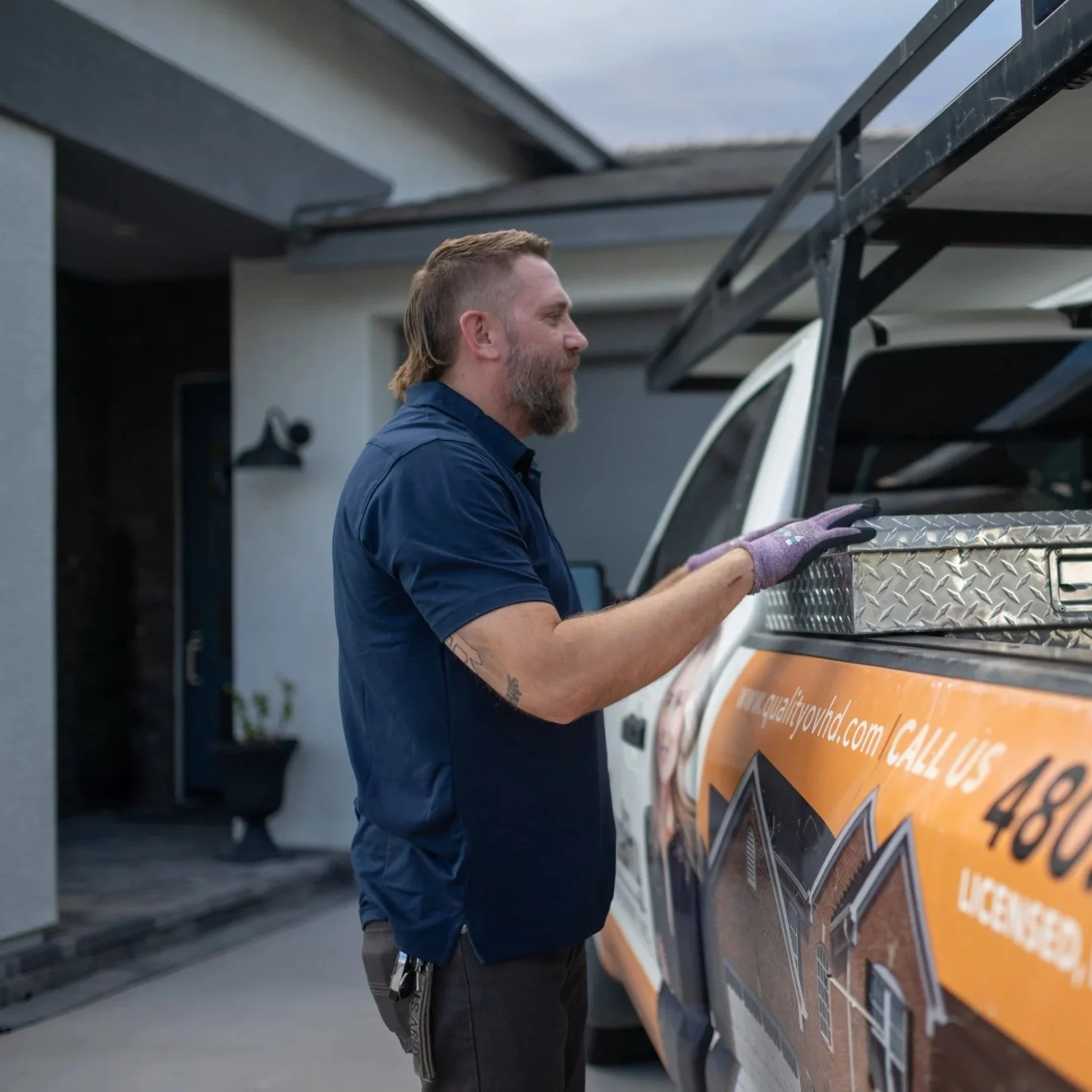
Garages have become primary entry points for many homes, so losing access can feel surprisingly disruptive and stressful.
Getting locked out of a garage almost never happens at a convenient moment. It usually strikes when you are already running behind, juggling kids, groceries, or work deadlines, or trying to escape the Phoenix heat as quickly as possible. Garages have become primary entry points for many homes, so losing access can feel surprisingly disruptive and stressful.
After years in garage door services, one reality becomes clear very quickly. Emergency lockout assistance is incredibly useful when applied correctly, but it is not a universal solution for every garage door problem. Understanding what emergency lockout assistance can realistically fix, and where its limits begin, helps homeowners respond calmly, protect their door system, and avoid turning a lockout into a costly repair situation.
When Emergency Lockout Assistance Is The Right Call
Emergency lockout assistance is specifically designed for situations where access is blocked, not where the garage door system has structurally failed. Common scenarios include locked pedestrian doors, malfunctioning keypads, unresponsive remotes, or manual slide locks that were engaged accidentally. In these cases, the door itself usually remains mechanically sound and capable of normal operation once access is restored.
Phoenix homeowners often experience lockouts during extreme heat, when electronics behave unpredictably, and batteries fail faster than expected. Emergency lockout assistance focuses on restoring access without forcing the door or stressing components that are already dealing with high temperatures. The goal is quick entry without introducing new problems that worsen the situation.
Calling for emergency lockout assistance makes sense when the priority is controlled access rather than permanent repair. Technicians work to regain entry safely, preserving the integrity of the door, opener, and hardware so the system remains intact once access is restored.
What Emergency Lockout Assistance Can Restore Quickly
Emergency lockout assistance can resolve access issues tied to locks and electronics rather than physical damage. Dead keypad batteries, remotes that lost programming, or interior slide locks engaged unintentionally often cause lockouts that feel dramatic but involve minimal mechanical risk. These situations block entry without compromising the door structure.
Technicians commonly reset keypad systems, reprogram remotes, disengage manual locks, or use safe bypass techniques that avoid damage. In many cases, homeowners regain full access during the same visit without replacing major components or adjusting door balance. That speed reduces stress during already tense moments.
Emergency lockout assistance focuses on restoring immediate usability, not long-term optimization. After access is restored, technicians often explain what caused the lockout and offer guidance to reduce the chance of it happening again, especially during periods of extreme heat or heavy daily use.
Why Garage Lockouts Happen More Often Than Expected
Garage lockouts often feel random, but patterns appear when you see enough of them. Batteries weaken quietly over time, remotes get misplaced during busy routines, and manual locks get bumped accidentally. None of these issues provide warning signs until access suddenly disappears.
Phoenix heat plays a major role in accelerating these failures. High temperatures drain batteries faster, degrade electronic components, and cause plastic parts to become brittle. Many lockouts happen during summer afternoons when heat stress peaks and systems become less reliable.
Emergency lockout assistance resolves the immediate problem, but understanding why lockouts happen helps prevent repeat situations. Awareness combined with basic maintenance habits often reduces the need for emergency calls, especially during peak summer months.
The Difference Between Lockouts And Mechanical Failures
A true lockout involves blocked access, not a broken garage door system. Mechanical failures involve springs snapping, cables fraying, rollers seizing, or openers failing under load. Emergency lockout assistance addresses access problems, not structural or mechanical breakdowns.
Homeowners sometimes assume that a door refusing to open automatically qualifies as a lockout. If springs or cables fail, forcing access becomes unsafe and dangerous. Emergency lockout assistance avoids applying force that could worsen damage or create serious safety hazards.
Technicians evaluate whether the issue involves access controls or mechanical failure. When mechanical issues are present, emergency lockout assistance shifts toward safety guidance rather than temporary fixes that could lead to injury or more extensive damage.
What Emergency Lockout Assistance Cannot Repair?
Emergency lockout assistance does not repair broken springs, damaged cables, bent tracks, or failing openers. These components require controlled repair conditions, specialized tools, and careful handling that exceed the scope of access focused service calls.
Attempting mechanical repairs during a lockout increases the risk significantly. Springs store dangerous energy, cables remain under tension, and doors can shift suddenly if balance is compromised. Emergency lockout assistance avoids these hazards by limiting work strictly to restoring access.
When technicians identify mechanical damage during a lockout visit, they typically recommend scheduling proper repair service. Restoring safe access comes first, while repairs follow under safer conditions that allow for thorough inspection and correction.
Why Forcing A Garage Door Creates Bigger Problems
Frustration during a lockout often leads homeowners to try forcing the garage door open. That approach almost always causes more damage than the original problem. Panels bend, tracks twist, and opener components lose alignment, transforming a simple access issue into a costly repair.
Emergency lockout assistance uses methods that work with the door’s design rather than against it. Technicians understand how locking systems interact with door balance and opener mechanisms, preventing unnecessary stress on components already under pressure.
Forcing a garage door bypasses safety features built into the system. What began as a lockout frequently becomes a major repair involving multiple damaged parts, all of which could have been avoided through professional access restoration.
Manual Release Use And Its Practical Limits
Many homeowners attempt to use the emergency release cord during a lockout. While the release disconnects the opener, it does not override manual locks or correct balance issues. In many cases, pulling the release cord alone does not restore access.
If locks remain engaged or the door balance is compromised, disengaging the opener introduces new risks. Doors may drop suddenly or resist movement entirely, creating the potential for injury or further damage to panels and tracks.
Emergency lockout assistance evaluates whether manual release use is appropriate. Technicians disengage systems safely, accounting for balance, lock position, and door weight before attempting any movement that could create additional problems.
How Emergency Lockout Assistance Protects The Door System
Professional emergency lockout assistance prioritizes protecting the entire garage door system during stressful situations. Entry methods focus on bypassing locks or restoring electronic communication rather than stressing panels, tracks, or openers.
Technicians know where access points exist and how systems respond under load. That experience prevents collateral damage commonly caused by improvised tools, forced entry, or rushed decisions made under pressure.
Emergency lockout assistance keeps repair costs contained by limiting intervention strictly to access restoration. Preserving system integrity during emergencies prevents minor lockouts from escalating into major mechanical failures that require extensive repairs.
When Lockout Assistance Reveals Bigger Issues
Sometimes emergency lockout assistance exposes underlying problems that contributed to the access issue. Worn locks, outdated keypads, failing remotes, or heat-damaged wiring often surface during these visits. These findings frequently prompt homeowners to reconsider maintenance schedules and upgrade aging access components proactively.
Technicians may point out vulnerabilities that increase the likelihood of future lockouts. These observations are not repairs during the emergency visit, but they provide valuable insight into system reliability. Documented recommendations help property managers plan budgets, prioritize risks, and coordinate future professional service visits.
Emergency lockout assistance often functions as an early warning system. Addressing limited access-related issues proactively reduces the chance of being locked out again during even less convenient circumstances. Timely follow-up transforms emergencies into preventive strategies that protect access continuity and occupant confidence long-term.
Preventing Repeat Garage Lockouts In Phoenix
Phoenix conditions demand proactive attention to garage access systems. Regular battery replacement, intentional checks of manual lock positions, and keypad inspections help prevent unexpected failures during extreme heat. These simple habits protect components from heat damage and ensure reliable daily garage operation performance.
Emergency lockout assistance remains an important safety net, but prevention reduces stress and cost. Homeowners who stay ahead of access maintenance experience fewer disruptions and greater peace of mind. Consistent upkeep minimizes emergency calls while extending equipment lifespan and supporting predictable household routines overall.
Understanding what emergency lockout assistance can and cannot fix empowers homeowners to respond appropriately. Preparation often matters more than reaction when dealing with garage access issues in high-heat environments. Clear expectations help residents plan repairs, budget upgrades, and avoid panic during access failure situations.
FAQs
What qualifies as emergency lockout assistance for a garage?
Emergency lockout assistance applies when access is blocked due to locked doors, malfunctioning keypads, lost remotes, or engaged manual locks, without major mechanical failure of the garage door system. These situations focus on restoring entry rather than repairing structural components.
Can emergency lockout assistance fix a garage door that will not open?
Emergency lockout assistance restores access when the issue involves locks or electronic access systems. Mechanical failures, such as broken springs or cables, typically require a scheduled repair service instead of a lockout response.
Is emergency lockout assistance safe for my garage door?
Professional emergency lockout assistance uses controlled techniques designed to avoid damage to panels, tracks, and openers. This helps restore access without creating additional repair costs or compromising the system’s integrity.
Why do garage keypads fail more often during Phoenix summers?
Extreme heat in Phoenix, AZ, accelerates battery drain and places stress on electronic components inside garage keypads. Prolonged exposure to high temperatures can cause intermittent failures or complete loss of function during peak summer months.
How can I reduce the chance of future garage lockouts?
Regular battery replacement, checking keypad responsiveness, and staying aware of manual lock positions can significantly reduce the likelihood of future lockouts. Periodic inspection of your garage access system also helps catch small issues before they become urgent problems.
Quality Overhead Door is a family-owned and operated business offering honest and reliable garage door cable replacement, garage door maintenance, garage door track repair or replacement, garage door insulation services, and emergency lockout assistance in Mesa, AZ. We offer upfront prices and are committed to delivering exceptional services. Contact us and we will get back to you quickly.
