Garage Door Won’t Close and Leaves a Gap? 7 Causes
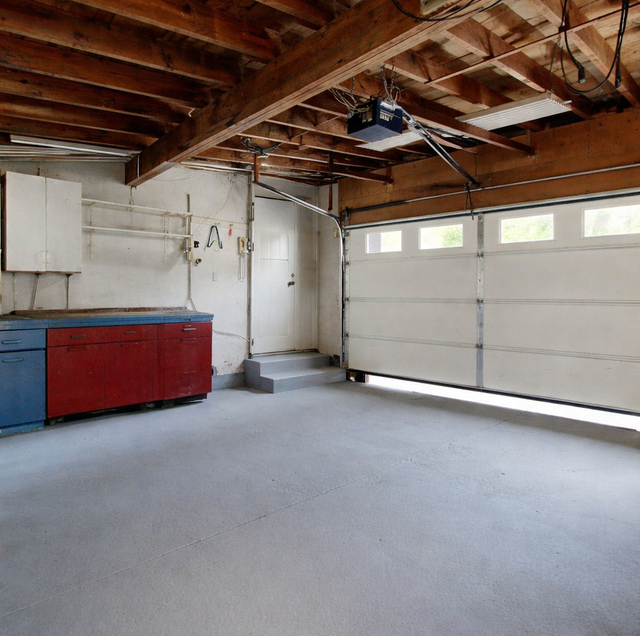
Quick Answer: A gap falls into two camps. Either the door stops several inches short and reverses back up, which points at the opener's close-travel setting or its safety sensors, or the door closes fully but a thin line of daylight shows because the bottom rubber seal is worn or the floor is uneven. The first camp is about the opener and its logic. The second is about the rubber and the concrete.
A garage door that refuses to seal at the bottom is not one problem; it is two very different ones wearing the same disguise. Sorting out which one you have is the whole task, because the checks and the repairs barely overlap.
The Two Kinds of Gap, and Why They Are Not the Same Problem
Before touching anything, watch the door run through one full close from inside the garage. What you see in those few seconds tells you which repair path you are on.
If the door travels down partway, then stops and rolls back up on its own, the opener is deciding not to finish. That is a travel or safety issue, and the gap is large, often a foot or more.
If the door goes all the way down, sits on the floor, and still shows a thin ribbon of light along the bottom, nothing is wrong with the opener's logic at all. The door is closing. The seal or the floor is the culprit, and the gap is small, usually under an inch.
Naming which one you have first saves you from wiping sensors that were never dirty or replacing a seal that was never the issue.
How the Opener Decides When to Stop and When to Reverse
A modern opener does not just run the motor until the door hits the ground. It follows two internal rules that, when misread, produce a gap.
The first rule is the close-travel limit. During setup, the opener learns exactly how far the door should move to reach the floor, and it stores that distance. Every close afterward, it runs the motor to that learned point and stops. If the stored distance is set a little short, the opener halts before the door actually reaches the concrete, and you are left staring at daylight.
The second rule is the safety reverse, and it exists so a closing door never traps a person, pet, or object. Two systems enforce it. A pair of photo-eye sensors, mounted a few inches off the floor on each side of the opening, shine an invisible beam across the doorway. Break that beam and the door reverses. Separately, the opener watches how hard the motor is working. If the door meets more resistance on the way down than the learned close should require, the opener assumes it hit something and sends the door back up.
A garage door opener behaves like an overcautious lifeguard. It would rather blow the whistle on a hundred harmless splashes than miss the one real hazard, so anything that even resembles an obstruction tips it toward reversing. Understanding that bias explains most stop-short behavior.
When the Door Stops Short and Reverses
These are the causes tied to the opener's logic and its sensors. Several have homeowner-safe checks.
Blocked or dirty photo-eyes: The two photo-eyes must see each other cleanly. A cobweb, a smear of dust, a leaning rake, a stray bag, or a sensor knocked slightly out of aim will break the beam and force a reverse. In a dusty garage, the lenses film over faster than most people expect.
Wipe each photo-eye lens gently with a dry, soft cloth, clear anything sitting in the beam path, and confirm both indicator lights glow steady rather than blinking. A blinking light usually means the two eyes are no longer pointed at each other.
An obstruction or debris on the track: A pebble, a hardened clump of old lubricant, a screw that worked loose, or a warped section of track can add just enough drag that the opener reads it as a collision and reverses.
Homeowner-safe check: with the door open, look along both tracks for anything sitting in the roller path and clear what you can safely reach. Do not loosen track bolts or bend anything back yourself.
A close-travel limit set too short: If the sensors are clean and the track is clear but the door still stops a few inches high every single time, the stored close distance is likely set too short.
This is a pro adjustment. The limit and force settings interact, and setting the force too high to force the door down defeats the safety reverse. A technician resets the travel and rechecks the reversal so the door seals without becoming unsafe.
When the Door Closes but Still Leaves a Light Gap
Here the opener is behaving. The door reaches the floor. The gap comes from what happens where the door meets the concrete.
A worn or missing bottom seal or astragal: The long rubber strip along the bottom edge, the astragal, is what actually presses into the floor and closes the last fraction of an inch. Under constant sun and heat, it hardens, cracks, shrinks, and eventually tears away. Once it flattens or goes missing, the rigid bottom section cannot fill the last gap on its own.
Homeowner-safe check: look at the bottom seal in daylight. If it is brittle, split, curled, or torn off, it has stopped sealing. Replacement seals slide into the retainer on the bottom section, and matching the retainer profile matters more than most homeowners realize.
An uneven or heaved floor: A garage door edge is straight. A concrete slab often is not. If the floor has settled, cracked, or heaved so one corner sits higher, the door can rest firmly on the high side while a wedge of light opens on the low side. The door is fine. The floor no longer matches it.
A threshold seal bonded to the floor, or a specially shaped bottom seal, can bridge an uneven slab. A technician measures the gap across the full width before choosing which approach fits.
A bent bottom section or a door slightly off-track: A minor impact from a bumper or a mower can bow the bottom panel so its edge no longer meets the floor in a straight line. A door that has slipped slightly off its track can also hang a touch crooked, leaving one side high.
Both are pro repairs. The rollers, hinges, springs, and cables that hold a heavy door in alignment are under real load, and the springs and cables in particular store enough energy to injure someone who disturbs them. Leave the alignment and any spring or cable work to a trained technician.
Homeowner-Safe Checks Versus Pro Work
Draw a firm line between the two.
Safe to do yourself: wiping the photo-eyes, clearing the sensor beam path, removing loose debris from the track path, and inspecting the bottom seal for wear. These are visual and light-touch, with the door left open while you look.
Leave to a professional: resetting close-travel and force limits, correcting a bent section, realigning a door on its track, and anything involving the springs or cables.
The rollers, hinges, springs, and cables that hold a heavy door in alignment are under real load, and the springs and cables in particular store enough energy to injure someone who disturbs them. Never crank the force setting up to muscle a reversing door shut, and never disable or unplug the photo-eyes to stop the reversing, since both moves remove the safety that keeps the door from closing on a child or pet.
Why a Gap Is Worth Closing Quickly
A gap at the bottom of the door is not only a comfort annoyance. Pests treat a half-inch opening as an open invitation, and scorpions, crickets, mice, and roaches all use it. Blown dust and driven rain during a storm push straight through the same line. Conditioned air leaks out around the clock, so the space stays harder to keep comfortable and the energy bill reflects it. And a door that stops short or shows daylight signals to anyone passing that the opening is not fully secured.
None of that improves on its own. A hardened seal keeps hardening, and a short travel setting keeps stopping short. The sooner the right cause is matched to the right fix, the sooner the door goes back to sitting flat and sealed against the floor.
Frequently Asked Questions
Direct sun striking a photo-eye lens can wash out the beam the same way glare washes out a camera. In late-day light, one sensor may be blinded while the other side works, which reads as a broken beam and triggers a reverse only during those hours. A small sun shield over the affected eye, or slightly re-aiming it away from the low sun angle, usually settles it.
A generic stick-on strip rarely matches the retainer channel your bottom section uses, so it peels within weeks, and expanding foam bonds the door to the floor and tears on the next open. The bottom seal is a sized part that slides into a specific retainer profile, T-style, bead-style, or U-style. Matching that profile is what makes a replacement actually hold and seal.
A correctly sealed door should show essentially no daylight along the bottom once the astragal compresses against the floor. Any visible ribbon of light means the seal, the floor, or the door's seating needs attention. There is no acceptable standing gap, unlike the small deliberate clearances designed into the side and top weatherstripping.
Only if the gap came from the old opener's worn logic board or failed limit switches, which is uncommon. If the door closes fully but leaks light, a new opener changes nothing because the seal and floor are the issue. Diagnosing the gap type first prevents paying for an opener that was never the problem.
Heat and UV harden the astragal over time, and many hold up only a handful of years before the rubber stiffens. Inspecting it once a year and pressing a fingernail into the rubber tells you a lot, if it stays dented or cracks, it has lost the flexibility it needs to seal, even if it has not visibly torn yet.
Cold stiffens the lubricant on the rollers and slightly tightens metal tolerances, so the door meets more resistance on early runs and the opener reads that drag as an obstruction. The same door glides freely once the day warms. A technician applying the correct low-temperature garage lubricant to the rollers and hinges, rather than a household oil that gums up, restores smooth travel across the temperature swing.
Book a diagnostic visit — get the gap traced to its real cause and sealed for good. Quality Overhead Door serves Mesa and the East Valley. ROC #310144. Call (480) 838-8850.
