Garage Door Repair in Queen Creek, AZ
Garage door repair in Queen Creek for any brand, including doors we didn't install. Every visit includes a balance check, because an opener can keep a door running long after its springs have weakened.
A quote over the phone is free. A service call for a failed door is $85, covering the 22-point inspection and the first half hour of labor. After hours and on weekends, it is $250, and a quote-only visit is $35.
- ROC #310144
- Licensed, Bonded & Insured
- Women-Owned Family Business
- 22-Point Inspection
- Google Rated
A door that still opens looks like a reason to leave the garage alone, but it is weaker evidence than it seems. An opener can be set to keep moving a door the springs have stopped holding, and the door then carries on working with the fault still in it.
An Opener Can Be Asked for More
A garage door is counterbalanced: the springs carry the weight, and the opener guides a load they have already taken.
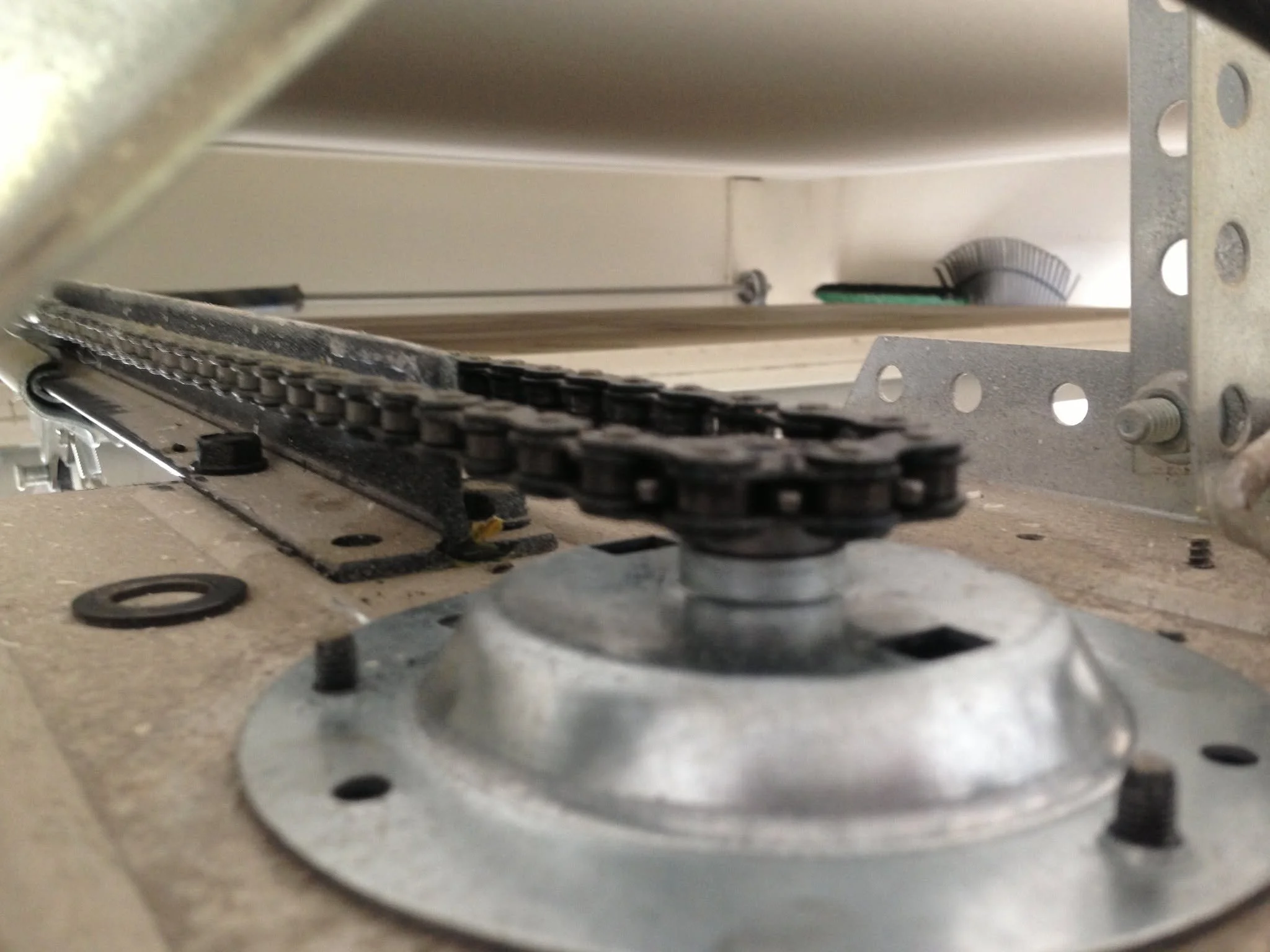
The opener has no way of seeing the door. It senses how much force moving the door requires, and two of its settings reflect that: a travel limit, where the machine believes the floor is, and a force setting, how hard it is allowed to push. Both are adjustments and not parts.
So a weakening counterbalance does not take you straight to a dead door. The weight transfers to the machine as the springs stop holding their share, and eventually the door asks for more force than the setting allows, so the opener stops partway or reverses, which is the setting working. And the threshold can be moved. Wind the force setting up, and the door runs again, which is a known fix for a door that has started stopping partway. The symptom goes, the fault stays, and the motor pulls against it on every cycle.
So a working door is not evidence that the counterbalance under it is right. The symptom you would otherwise be waiting for may never arrive, so the useful question on a Queen Creek service call is not what has stopped working. It is what is being carried, and by what.
The same mechanism carries a safety consequence. An opener detects an obstruction by force, so a door already resisting changes what the machine reads as normal. Chamberlain and LiftMaster state it in their own guidance: an unbalanced garage door may not reverse when it is supposed to.
That is why the balance check happens on every visit, including ones booked for something else. It separates a door that opens from a door that is right.
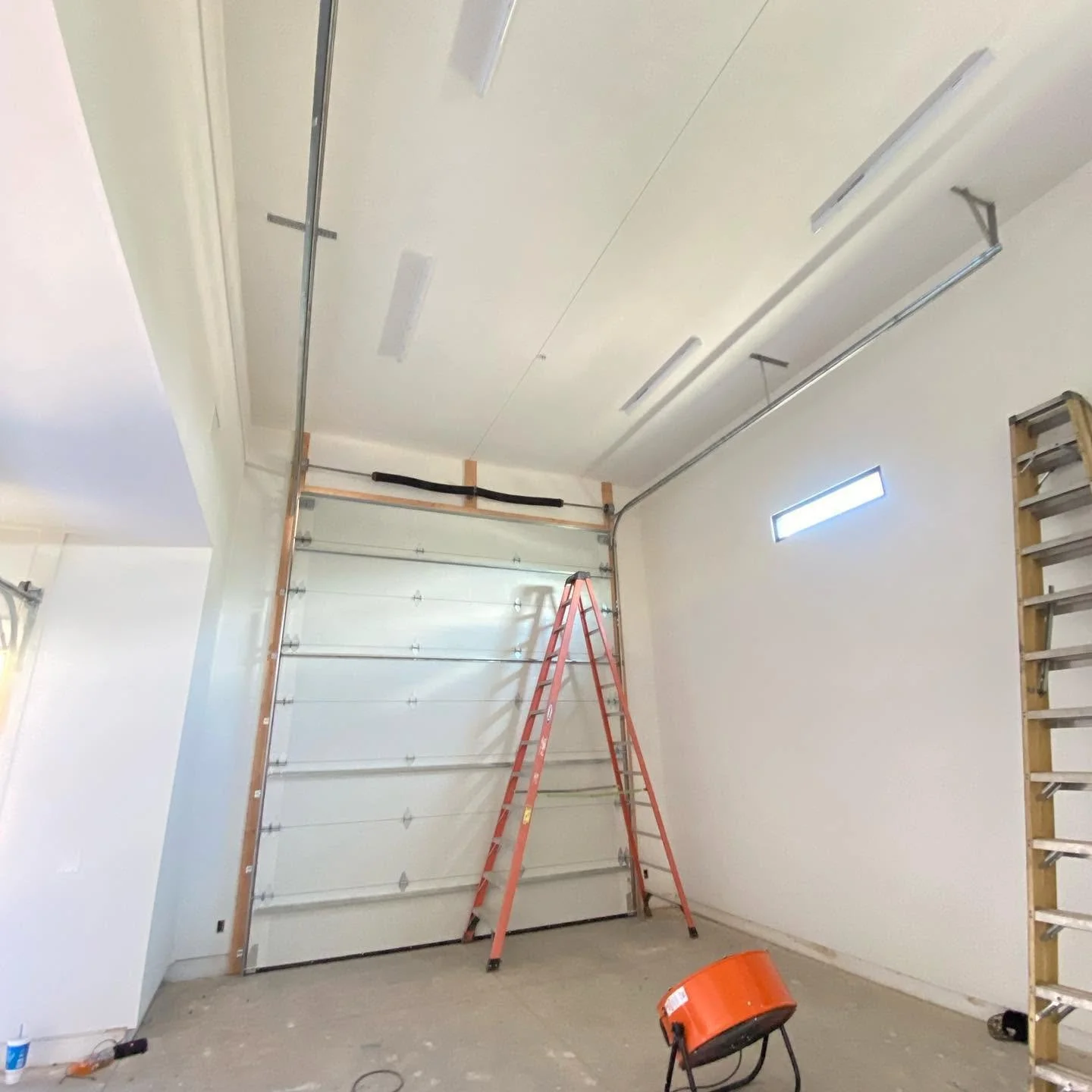 Garage door repair in Queen Creek, AZ
Where the Force Setting Sits Now
Our Queen Creek page publishes the town's housing figures and the call pattern they produce. This page stands on one consequence: a build year is a fact about a house and not a record of a door.
Three things a Queen Creek address fails to predict:
Whether anything has been added to the door since the day it was hung.
Where the force setting sits now, and whether anybody has moved it since the opener was commissioned.
Whether the opener on the wall is the one the house was finished with.
What a build year does is justify asking. On a Queen Creek call, we ask for the year, then what has been done to the door since, because the address only answers the first.
What Takes a Door Out of True
Four causes, and they do not announce themselves equally.
Ordinary spring fatigue. Springs lose torque as they age, gradually, so a door gets well out of true before anybody has a thought about it.
A cable or a drum losing tension. A cable that has unwound a wrap, skipped a groove, or stretched further than its partner leaves one side lower than the other, which presents as a crooked door and is answered on the cable side.
Weight added to the door. Anything bolted, glued or painted on changes the weight the springs were calculated for: a retrofit insulation kit, decorative hardware, a replacement section of different construction, a repaint. Paint has weight, and enough coats take a door past its specification.
Springs wound wrong. DASMA names a fault that rarely reaches a homeowner: too little stretch and the coils sit scraping against each other every time the door moves; too much and the spring snakes along the shaft and rubs anyway. Either can come from the original winding or from movement of the shaft.
Two of those four are visible from where you park. Two are not. A corner that lands first is telling you about a cable or a drum, because a balanced door meets the floor across its full width at once, and a door you have added something to has a weight you already know has changed. Of the other two, improper stretch usually arrives as a noise, and ordinary fatigue arrives as nothing at all. Ordinary fatigue is the kind a raised force setting hides.
What Customers Say
"Lou was very knowledgeable and helpful!"
What Gets Spent While the Door Carries On Working
While the door keeps working, three things are wearing out.
The opener. It was sized to guide a door the springs were holding, and carrying real weight is how gear sets strip and motors burn out.
The springs, and the hardware under them. An unbalanced door loads unevenly, and DASMA's wording for a door no longer running smoothly is that it causes premature wear on other important door components: a crooked door presses its rollers into one side of the track, and it loads its two cables differently on every close.
The safety reverse. The force setting is what the automatic reverse test checks, so a resisting door and a setting wound up to accommodate it both change what that test reads.
Winding the spring tighter is the other way to compensate, and that one has a published cost. A long-standing trade reference, a specialist one and not a manufacturer's data sheet, puts the loss at as much as 45 percent of cycle life from one additional turn and around 25 percent from a half turn, so buying balance that way spends what the spring had left. Our balance and realignment page includes the homeowner test, which starts by taking the door off the opener, and explains when adjusting the spring is the right fix and when it only uses up the spring's remaining life.
There is one setting we will not wind up just to make a complaint go away. On a door that has become heavy, moving the threshold moves the symptom and leaves the cause. The finding is documented in a written estimate before anything on the door is touched, and the safety reverse is tested before we leave.
Queen Creek Garage Door Repair FAQ
My door opens and closes. Is there anything on this page for me?
Possibly, and that is the uncomfortable part. From the wall button, a door being compensated for and a door that is right look identical, and the balance check sits inside the service call, so any visit includes that reading.
Can you tell me over the phone whether my door is out of balance?
No. A quote over the phone is free, and we can usually narrow a description to a family of causes, but naming the fault waits until somebody has read the door.
Somebody turned the force up, and the door stopped reversing partway. Was that the fix?
It was a change to a threshold. If the door was meeting real resistance, the resistance is still there, and that setting is also what the automatic reverse test checks. Tell the technician, because it changes where the visit starts.
Is the balance check an extra I have to ask for?
No. The 22-point inspection includes a line for spring tension and door balance, one for opener force and travel limits, and one for the automatic reverse test, all included in the $85 service call.
My opener has started to sound like it is working harder. Does that mean the springs?
It means the machine is reporting something, and believing it is the right instinct. A straining motor is one of the few cases where the door tells you before a setting absorbs it, and what it reports is established during the visit.
Scope on This Job
Ours: the door and its sections, the counterbalance, the cables, drums, bearings, and brackets, the rollers and hinges, the seals, the opener with its travel and force settings, and the safety circuit, for any brand and for doors we did not install.
Outside our scope: jambs, framing, drywall and stucco. Locks, handles and rekeying. Any new outlet or circuit, which is an electrician's job before ours. Garage screens and window retrofits. Mobile and manufactured homes. The motor on an opener with no photo eyes. Home warranty dispatch, which is on hold at present.
Warranty: Ninety days on our labor, and manufacturer parts warranties honored.
There is no minimum job.
Where We Work
Garage door repair and service across the Phoenix metro:
- Mesa,
- Gilbert,
- Chandler,
- Tempe,
- Scottsdale,
- Phoenix,
- Queen Creek,
- Apache Junction,
- Glendale,
- Peoria,
- Ahwatukee,
- Fountain Hills and
- Paradise Valley.
Tell us what the door does at the floor, and whether anything on it has changed.
A corner that lands first, a motor that has started to sound like it is working for a living, an insulation kit, or a repaint from last year. All three shape what the technician looks at first, and none of them ask you to touch the door. A quote over the phone is free.