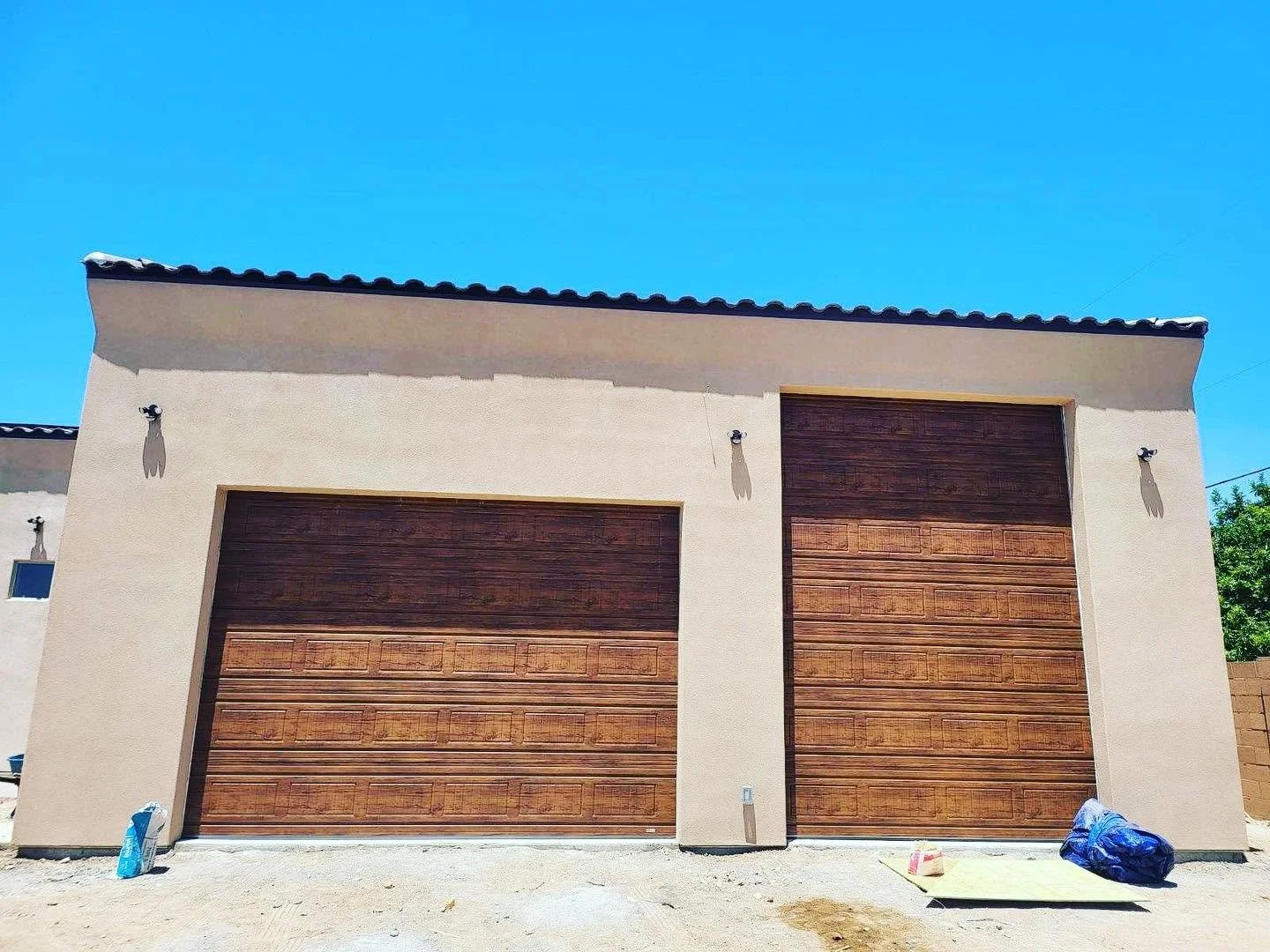

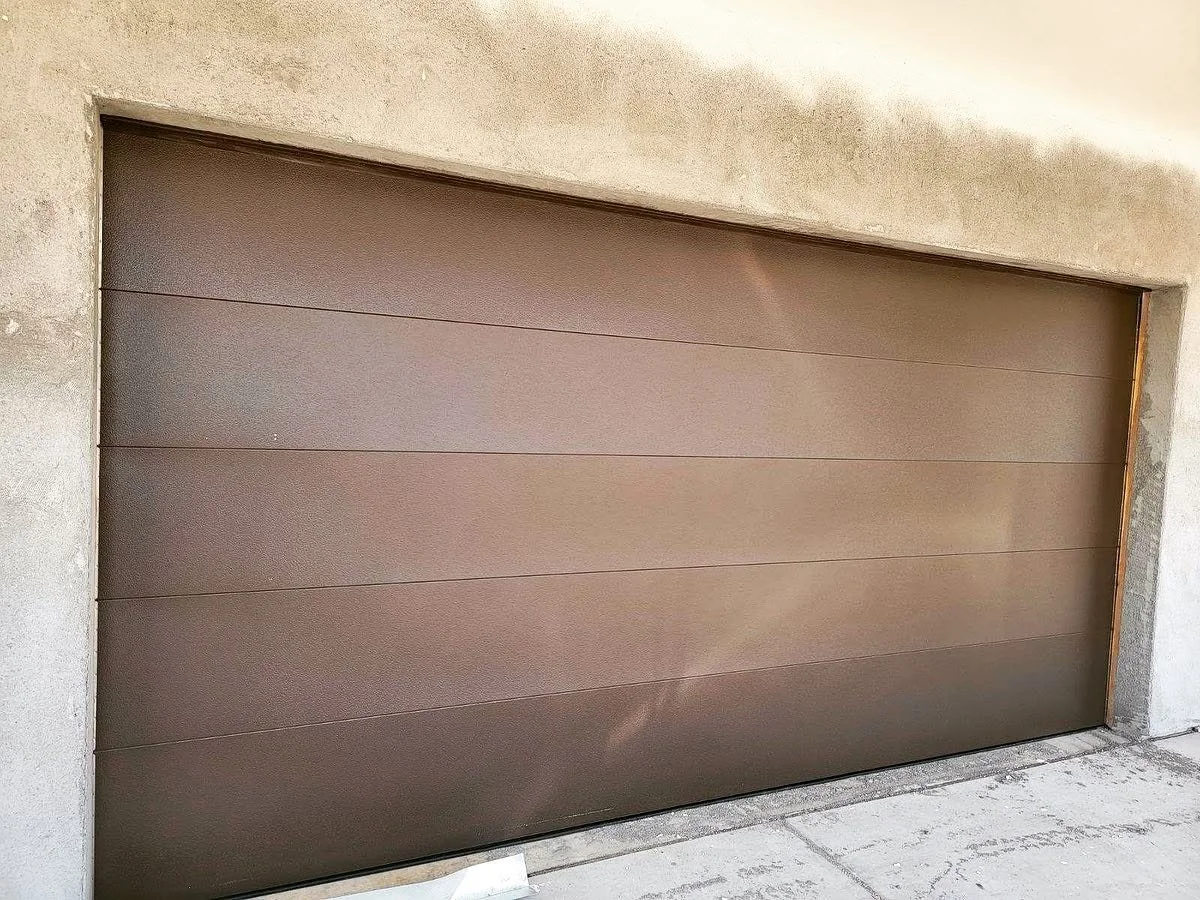
Garage Door Service in Phoenix, AZ
Repairs, springs, openers and new doors across Phoenix, including tilt-up doors, extension springs and discontinued panels on older homes. Women-owned family business working in the Valley since 1997. $85 service call, $250 after hours.
- ROC #310144
- Licensed, Bonded & Insured
- Women-Owned Family Business
- 90-Day Labor Warranty
- Google Rated
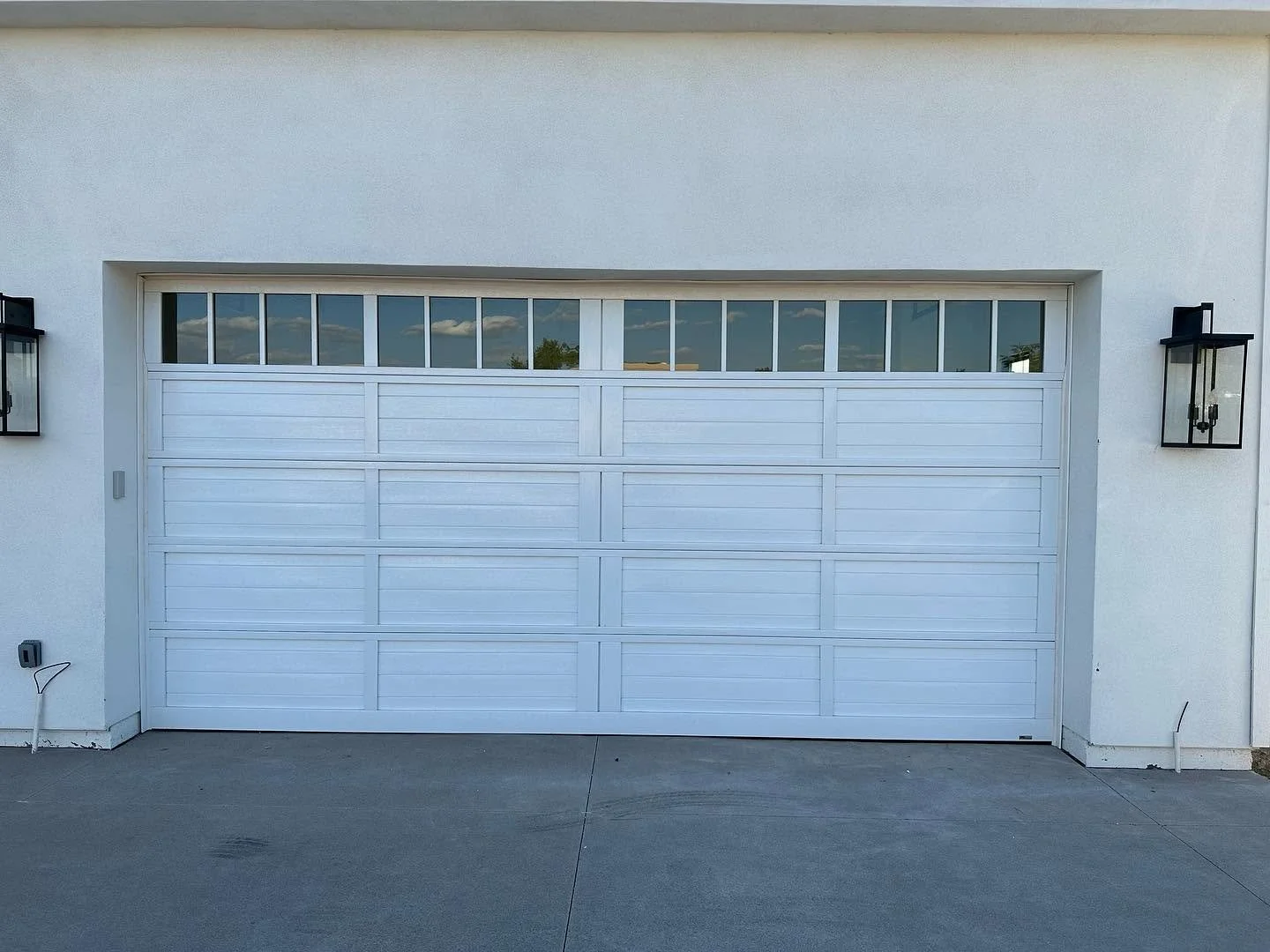
Phoenix is the biggest place we work and the least uniform. Four in ten Phoenix homes were built before 1980 and nearly one in four before 1970, which puts it in the same bracket as Tempe on pre-1980 stock and well past it on anything older.
It is also one of the few places in our service area that publishes an exempt-work list specific enough to quote, making this page easier to write honestly than most.
Phoenix Publishes the Nearest Thing to an Answer
We read the published permit guidance for every city and town we serve. Most publish nothing that touches a garage door. A handful publish a full exempt-work list, and they do not all say the same thing. Not one names garage doors. Phoenix's is the one whose language comes closest to what we do.
Phoenix adopted the 2024 Phoenix Building Construction Code by Ordinance G-7397, effective August 1, 2025. Its administrative provisions, at Section 105.2, open with the words "permits shall not be required for the following," and under Building they list:
Minor repair or replacement in kind of non-structural components such as glass or glazing materials, sash, doors, patching walls or ceilings, and replacing pieces of siding, soffits, or fascia.
It is a reading, not a ruling. The word doing the work there is "minor", and the same section's commentary treats patching a wall as exempt and replacing a whole sheet of drywall as permit-required. How much of a door counts as minor is a judgment for the building official. Changing the size of the opening is not a judgment call; it is structural because of the header above it.
One thing in the same section worth knowing, because it lands near a boundary of ours: the code separately states that installing locking or security hardware on egress doors, or changing the type of locking device, does require a permit. A residential garage door is not an egress door, so this is not our work either way, but it shows how narrow these exemptions are.
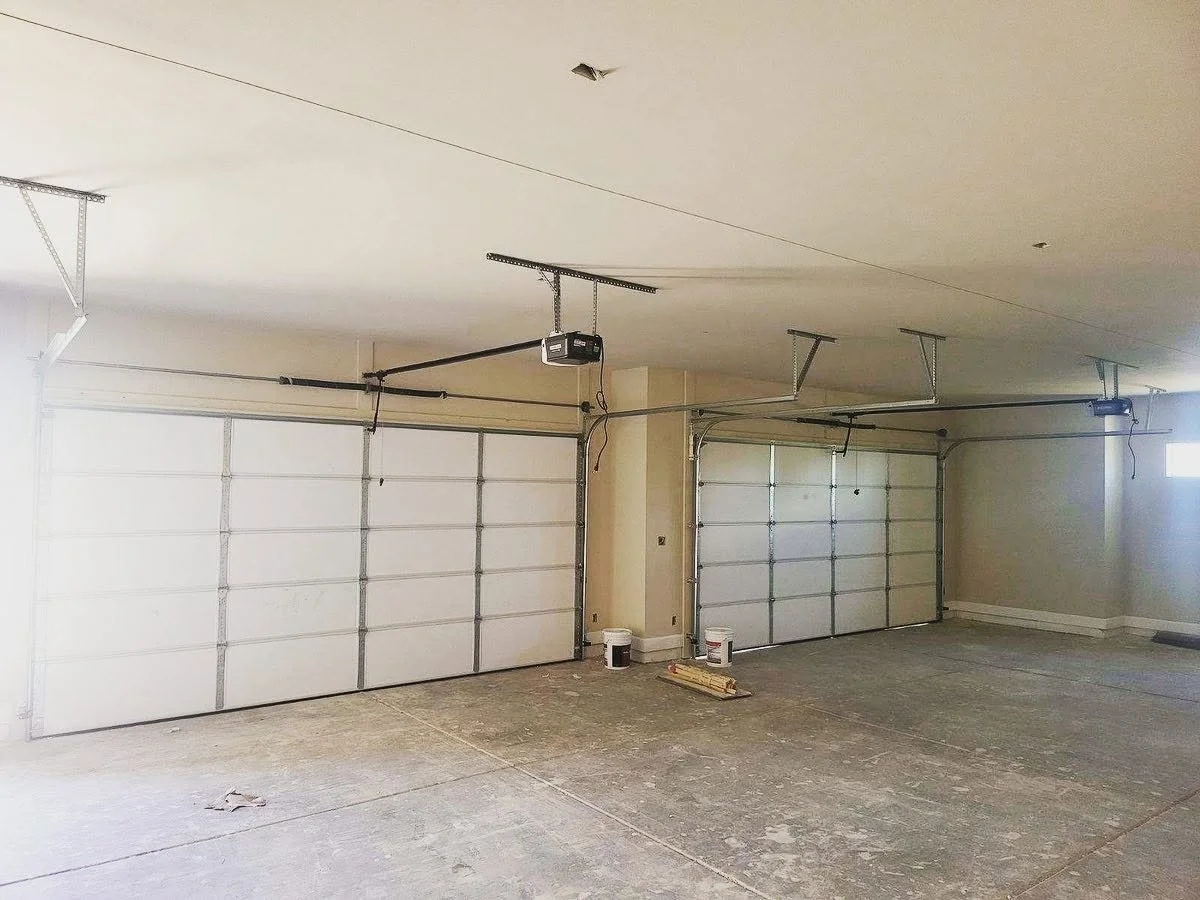 Garage door service in Phoenix, AZ
Phoenix is not One Place
This matters more here than anywhere else we work, and it changes what page you should be reading.
Phoenix is organized into urban villages, and a Phoenix address can mean a 1950s ranch house in the middle of the city or a house built in the last fifteen years on its edge. Roughly 653,000 housing units are located within the city, more than Mesa, Chandler, and Gilbert combined.
If you are in Ahwatukee, we have a separate page for you. Ahwatukee is an urban village of Phoenix, so Phoenix's building code and permit rules apply there. But it is a distinct place to work in; its housing is meaningfully newer than the Phoenix average, and people search for it by name, so it gets its own page.
For the rest of Phoenix, the useful thing to know is what your house's age predicts.
On the U.S. Census Bureau's American Community Survey 2024 five-year estimates, the median Phoenix home was built in 1985. Of those homes, 41.6 percent predate 1980 and 22.9 percent predate 1970.
That pre-1970 figure is the highest of any full-size city we serve. Only Paradise Valley, a town of six thousand homes, measures higher, and the two are close enough that the census margins overlap. It is why a Phoenix call is far more likely than a Gilbert call to involve something no longer manufactured.
What an Older Phoenix Door Actually Has on It
One-piece tilt-up doors. A single slab that swings out and up on pivoting arms, so there are no sections and no horizontal track above your car. Standard on valley houses into the 1970s, and a lot of them are still working, which says something about how they were built. We service them. Hardware is generally findable; a replacement slab is a bigger conversation.
Extension springs. The long springs running horizontally above the tracks on either side of the door. They work, and we work on them. We check whether a containment cable runs through the spring, because a spring that fails without one does not stay put. If yours has none, we will raise it whether or not you called about the springs.
Discontinued section profiles. When a manufacturer stops making a design, the replacement section for a door from the seventies or eighties is not on a shelf. The practical options are a compatible section that will not match perfectly, a universal replacement section where the maker offers one, or a new door. We identify the door before we promise anything, usually by checking a label on the inside of an end stile or by the hardware and the profile itself.
Openers with no photo eyes, and this is where we stop. Secondary entrapment protection has been required on residential garage door operators manufactured on or after January 1, 1993. The rule allows a photo eye, an edge sensor, or an equivalent device, and the industry settled on photo eyes. An opener with none of them is either an older unit that predates the rule or a newer one whose sensors have been removed, unplugged, or bypassed, which we see just as often.
Our own rule is simpler than the regulation: if there are no photo eyes, we do not touch the motor. It has no way to detect a person or an animal in the opening; it stops when the door meets enough resistance, and the amount of resistance depends on how the force settings were left, possibly decades ago. We will service the door, leave it better than we found it, and quote you a replacement head. That line costs us work on older Phoenix stock more than at almost any other location, and we hold it anyway.
What we Get Called Out For
Springs. Torsion and extension springs, which are two different jobs.
Openers, across a wider age range than in the newer towns.
Sections and panels, with the profile-matching question above.
Doors off track. Older track, older rollers, and years of small impacts. If your door has come off, stop using it and do not pull the emergency release while the door is up, because the weight is being held by something that is no longer holding it as it was designed to.
Doors that will not close. Photo-eye alignment, a dirty lens, or a genuine obstruction.
Noise and rollers. Steel rollers with a handful of ball bearings get loud in their second decade, and this is one of the simpler problems on this list to fix properly.
Cables. A frayed cable is a warning. Deal with it before it lets go and the door comes down crooked.
Balance. A door on tired springs drags, sits crooked, and makes the opener work harder than it should. On older stock this is frequently the actual cause of whatever somebody called about, and the check takes a couple of minutes.
Weather seals that have simply run out. A bottom seal is a wear item, and an original one on a 1970s door has done its time. Small job, noticeable difference.
New doors, where a door has been repaired twice already, and the sections have started to go.
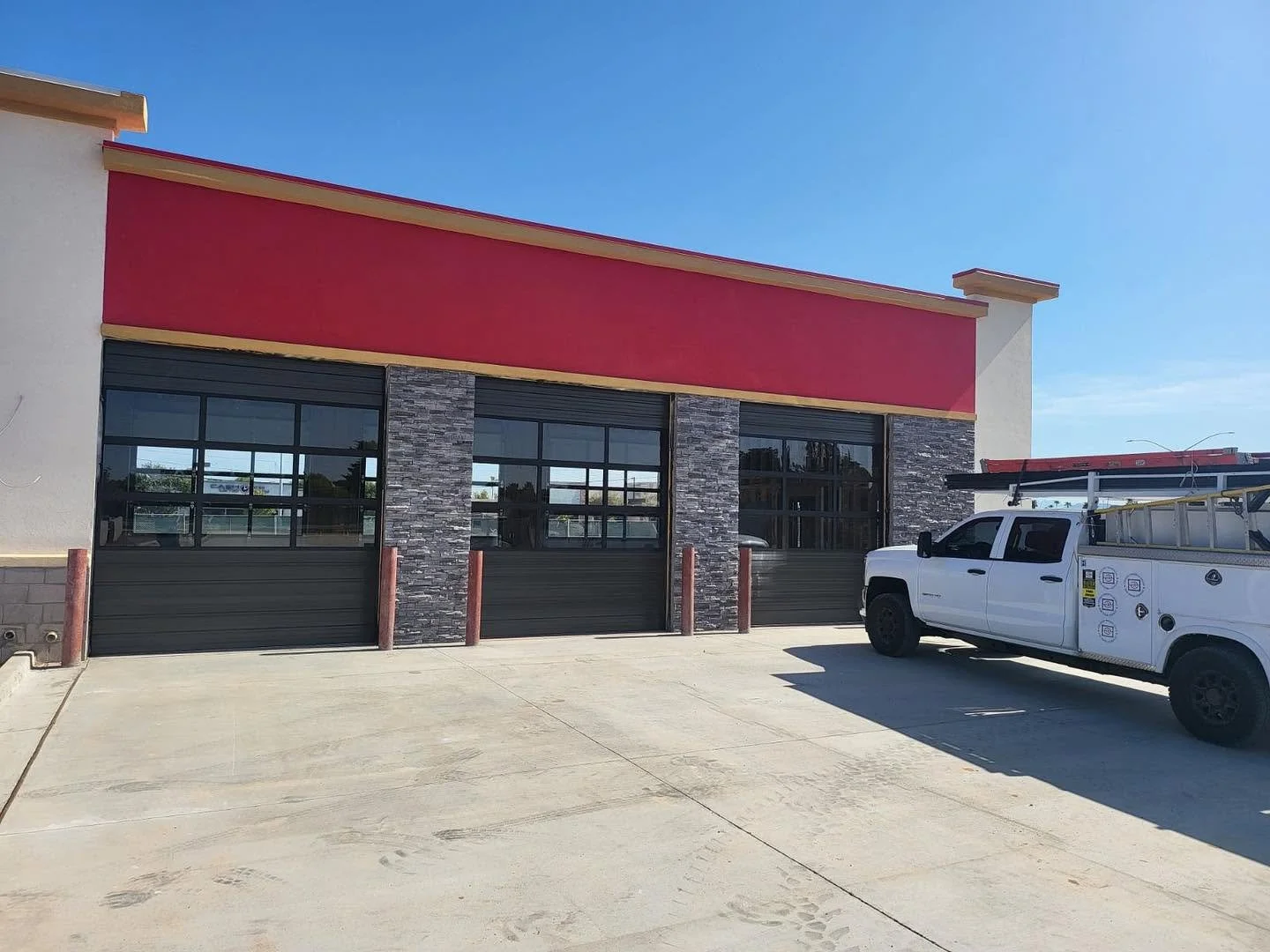
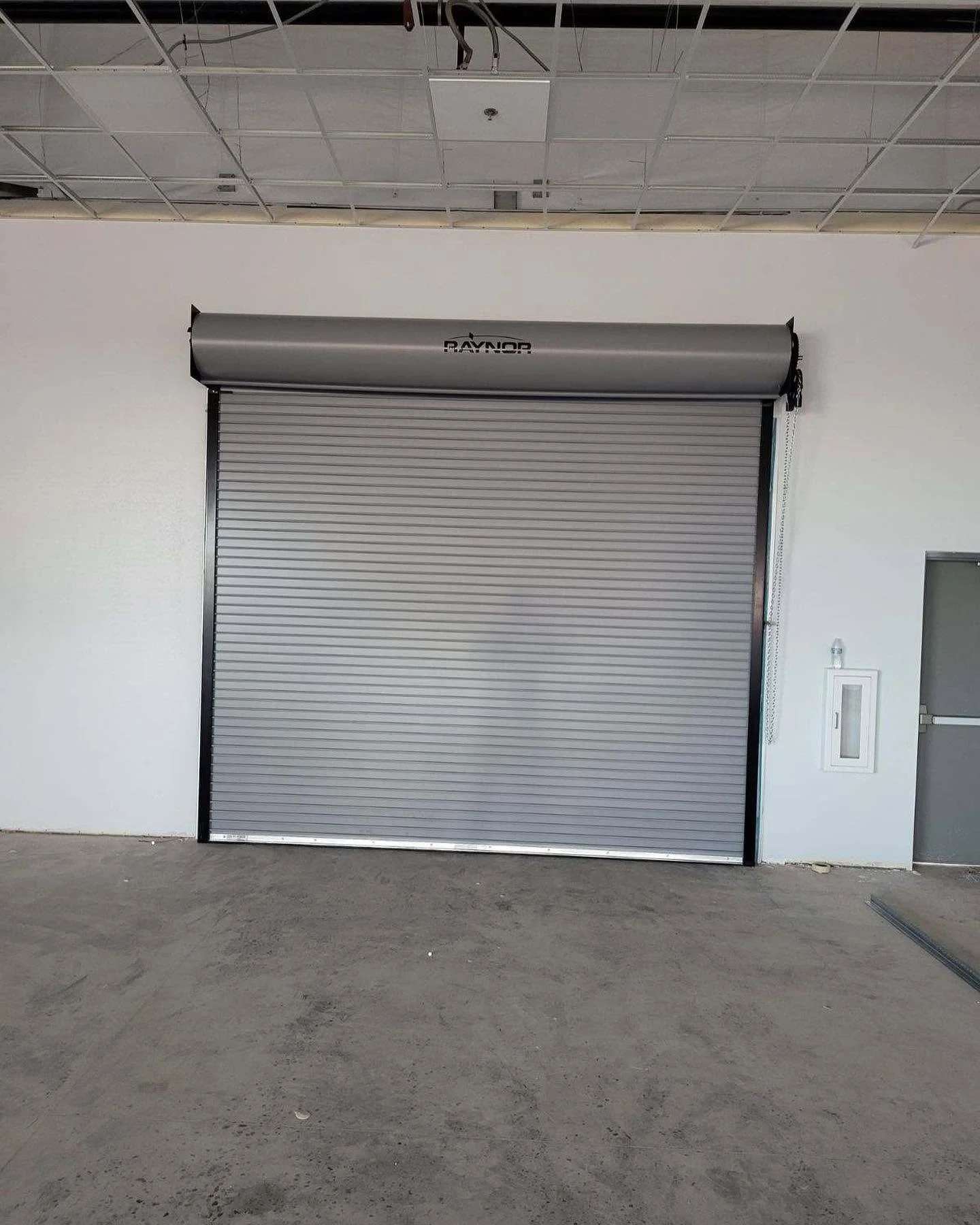
Commercial and dock work. Call with the site address and what the equipment is, and we will tell you how to book it.
New Doors on Older Phoenix Houses
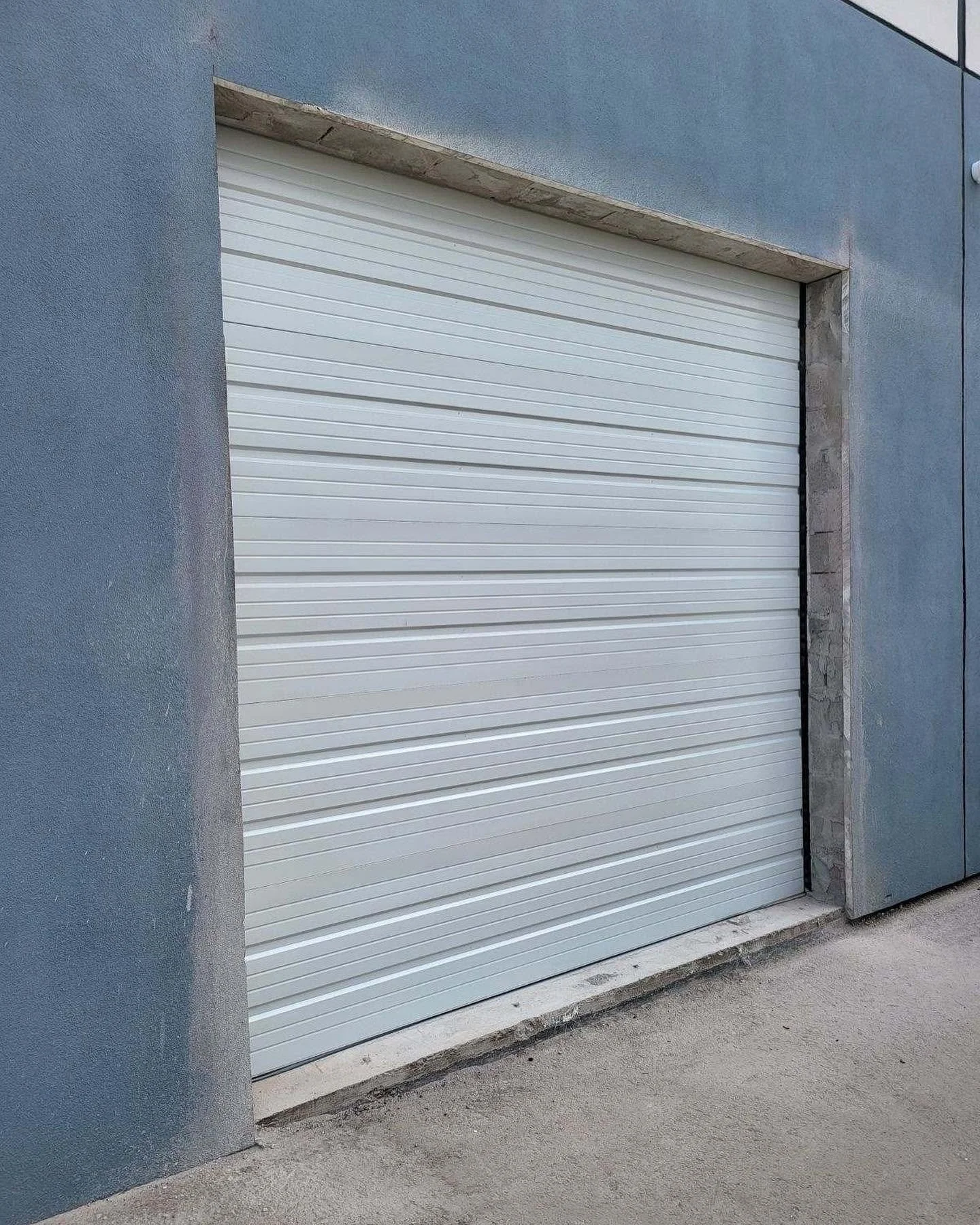
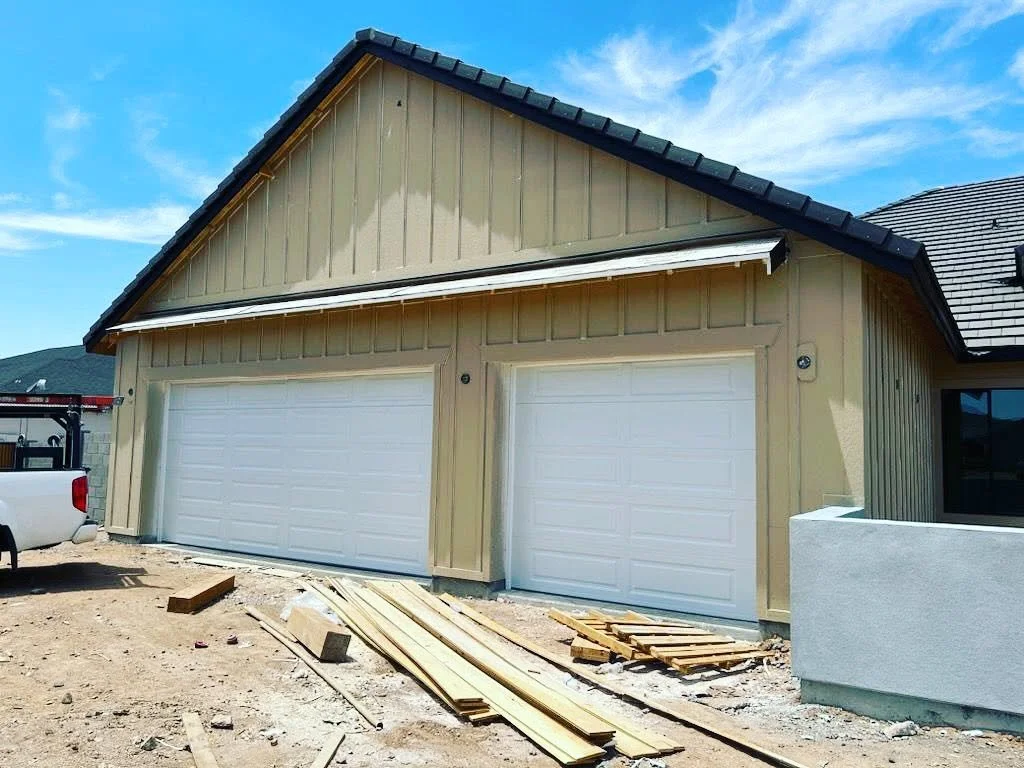
Replacing a door on a house built in 1968 is not the same job as replacing one on a house built in 2008, and the difference is worth understanding before you get a quote.
Headroom decides more than people expect. The distance between the top of the opening and the ceiling, or the lowest obstruction, determines which track configuration and which opener will fit. Older Phoenix garages were not built with modern hardware in mind, and some have less headroom than a standard installation needs. There are low-headroom track configurations and jackshaft openers that mount on the wall beside the door. A jackshaft drives the torsion bar directly, so on a door still running extension springs it comes with a spring conversion attached, which is usually an improvement anyway. It is nearly always solvable. It is not always solvable at the standard price, which is why we measure rather than quote from the driveway.
Going from one-piece to sectional is an upgrade, not a swap. A one-piece tilt-up and a sectional door use different hardware, tracks, and opening geometry, and the old pivoting arms have to come out. People are generally very happy with the result. It takes more work than a straight door swap, and you should hear that at the quote stage.
Going from extension springs to torsion is a genuine improvement, both in how the door behaves and in what happens if a spring lets go. It needs the headroom for the bar and something solid to mount it to. We do the conversion, and we will tell you honestly whether your opening suits it.
Insulation is worth deciding. If the garage is parking and storage, a new bottom seal and better weatherstripping often do more than an insulated door. If it is a workshop or a room somebody spends time in, the calculation changes.
We do not stock doors. Our suppliers hold them, they are ordered per job, and anything beyond a standard size and color is built to order. Lead time is real, and we tell you ours before you commit.
On a registered property, there is an approval question in front of all of it. If your house carries an HP or HP-L overlay on its zoning, or sits inside one of the city's historic districts, our historic district garage doors page sets out the two review routes, what the city's published eligibility list does and does not cover, and the order the questions have to be asked in.
How Far we Come Into Phoenix
Worth being straight about this, because Phoenix is large and we are a Mesa company.
Phoenix is well inside our repair area. Because the city is large, we'll ask where you are when you call so we can give you a realistic appointment, and new door installations are scheduled as their own visit.
What we will not do is imply we have a Phoenix location. We do not. We are one company operating from one address in Mesa, with one showroom. If a company's website lists an address in your city, it is worth a look on a map before you call.
Dust Has a Direction
The National Weather Service's Phoenix office states that during an average year, generally one to three dust storms move into the Phoenix area, predominantly from the southeast, and that they usually last only ten to thirty minutes, though dusty conditions can remain for some time afterward.
The next part is our rule of thumb rather than the Weather Service's, and it is worth saying which is which. It is a small number of events a year, but they are the ones that drive grit into a door. If they arrive from that quarter, a south- or east-facing door should take more of the load than a north-facing one on the same street. On those doors, we look first at the bottom seal and the vertical weatherstripping down the sides.
On an older Phoenix door, where the weatherstripping may well be original, that is often the simplest improvement available and the one that most changes what ends up on the garage floor.
On an older Phoenix door with original weatherstripping, a new bottom seal and new side seals are often the cheapest way to keep dust off the garage floor.
The Same Boundaries Everywhere
What we do: garage doors and openers, residential and commercial, including doors and openers we did not install, whoever made them and however old.
What we do not do: locks, handles or rekeying, which is a locksmith's job, and which Phoenix treats seriously enough that its exempt-work list carves out locking hardware on egress doors as permit-requiring. A new outlet or circuit for an opener, which is an electrician's job before ours. Jambs, framing, drywall, and stucco after a collision, where the door is ours, and the building around it is not. Garage screens, and retrofitting windows into an existing door. Mobile and manufactured homes. The motor on an opener with no photo eyes. And home warranty dispatch, which we are not taking on right now.
There is no minimum job.
Frequently Asked Questions
Do I need a permit to replace a garage door in Phoenix?
Phoenix's adopted code exempts minor repairs or in-kind replacements of non-structural components, and doors are on the list. A like-for-like replacement in the existing opening reads as exempt on that language, though how much of a door counts as minor is the building official's judgment rather than ours. Changing the size of the opening is a structural matter and a different question.
I live in Ahwatukee. Is this my page?
Ahwatukee is a Phoenix urban village, so Phoenix's code and permit rules apply to you, but we have a separate Ahwatukee page with the things that are actually different about working there.
My garage door is one solid slab that swings out. Do you work on those?
Yes. That is a one-piece tilt-up, and there are a lot of them still working in older Phoenix. Hardware and springs are generally available.
My opener works. Why won't you service it?
If it has no photo eyes, it cannot detect something in the opening. Working and safe are not the same thing, and we will not put our name on the head of a machine like that. We will still service the door, and we will quote you a replacement.
Can you match one damaged panel on a door from the eighties?
Sometimes, and the first step is identifying the door. We find out and tell you before anything is ordered.
Do you have a Phoenix location?
No. One company, one address in Mesa, one showroom.
Do you work on doors you did not install?
Yes, whoever installed them and whoever made them.
What Customers Say
"Great customer service, friendly and got my garage door opener scheduled and changed out quickly. Highly recommend."
Every Service we Offer in Phoenix
Phoenix is not really one place, and which part of this list you need depends on where in it you live.
Repairs. Garage door repair covers all of it: springs, openers, cables and tracks, off-track recovery, panels, rollers, safety sensors, weather seals, balance and realignment, noisy doors, collision damage, lockouts and remote and keypad programming. Emergency repair is the same list after hours and on weekends, at the $250 call fee.
New doors and openers. New door installation and opener installation, plus custom doors and the four ways to buy a door: steel, faux wood and composite, full-view glass and carriage house. Also insulation, panel reinforcement, high-cycle springs, extension-to-torsion conversion, high-lift and jackshaft conversion, and RV and oversized doors. On a house with HP or HP-L overlay zoning, historic district garage doors are where the approval question gets answered in full, including the order the questions have to be asked in and why the deposit on a made-to-order door waits on that answer.
Maintenance. The 22-point tune-up, which is the same inspection a service call includes, booked on its own instead.
Commercial. Overhead door repair, operators, roll-up and rolling steel, sectional steel, loading dock doors, dock levelers, seals and bumpers, and self-storage doors. Our commercial hub is the way in.
We do not do locks and rekeying, electrical work, or jamb, framing, drywall, and stucco work, and we do not work on mobile or manufactured homes. Those boundaries are the same in Phoenix as everywhere else we go.
Where We Work
Garage door repair and service across the Phoenix metro:
- Mesa,
- Gilbert,
- Chandler,
- Tempe,
- Scottsdale,
- Phoenix,
- Queen Creek,
- Apache Junction,
- Glendale,
- Peoria,
- Ahwatukee,
- Fountain Hills and
- Paradise Valley.
Tell us roughly when the house was built and what the door is doing.
On older Phoenix stock, that usually tells us what we are walking into before we get there. Office hours are Monday to Friday, 7:00 a.m. to 3:00 p.m., and a person answers after hours.