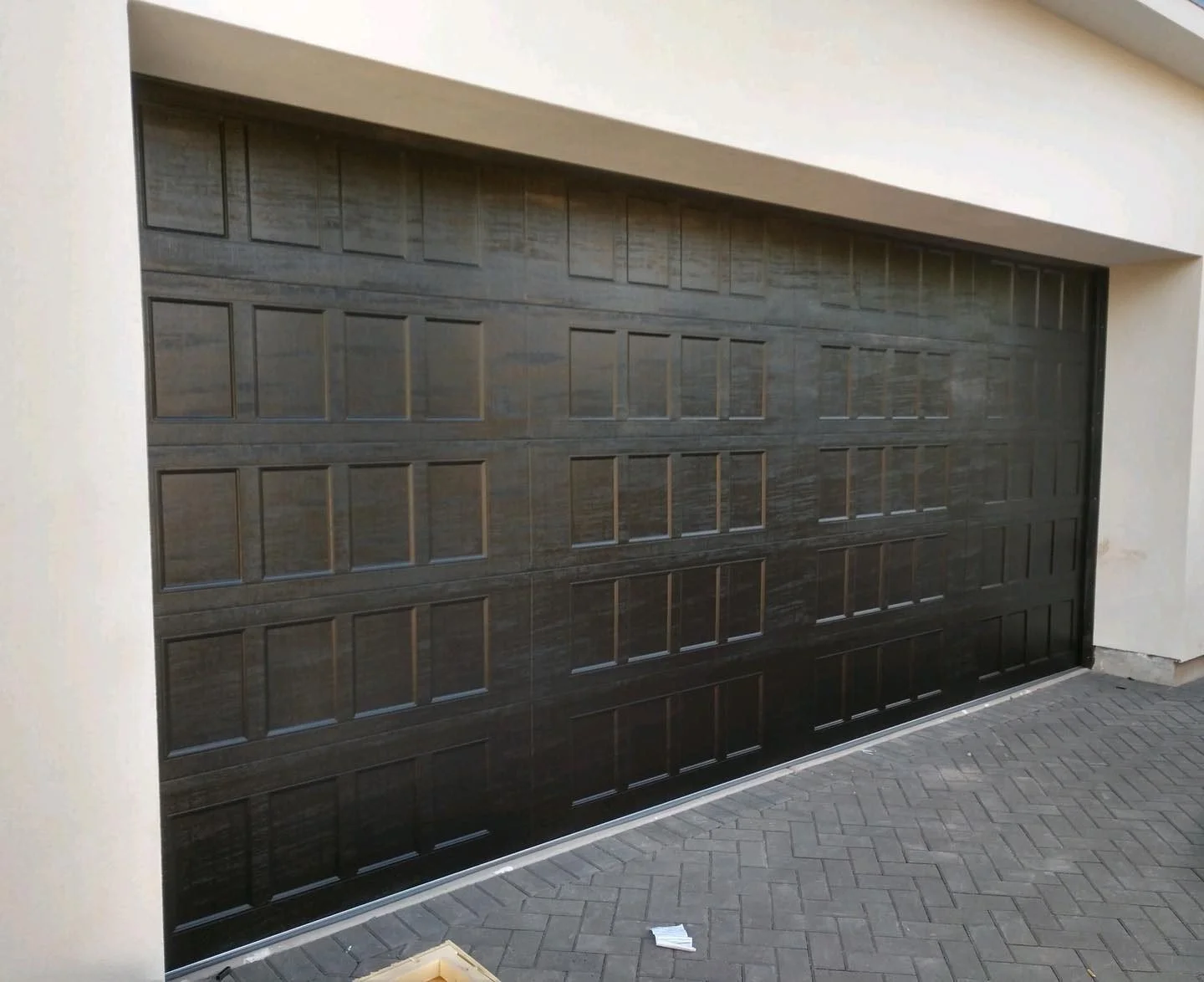

Garage Door Repair in Peoria, AZ
Broken spring, frayed cable, noisy rollers or a door off track in Peoria? We repair any brand, including doors and openers we did not install. Free phone quote, then an $85 service call with a 22-point inspection.
A quote over the phone is free. A service call is $85, which covers a 22-point inspection and the first half hour of labor. After hours and on weekends, it is $250.
- ROC #310144
- Licensed, Bonded & Insured
- Women-Owned Family Business
- 90-Day Labor Warranty
- Google Rated
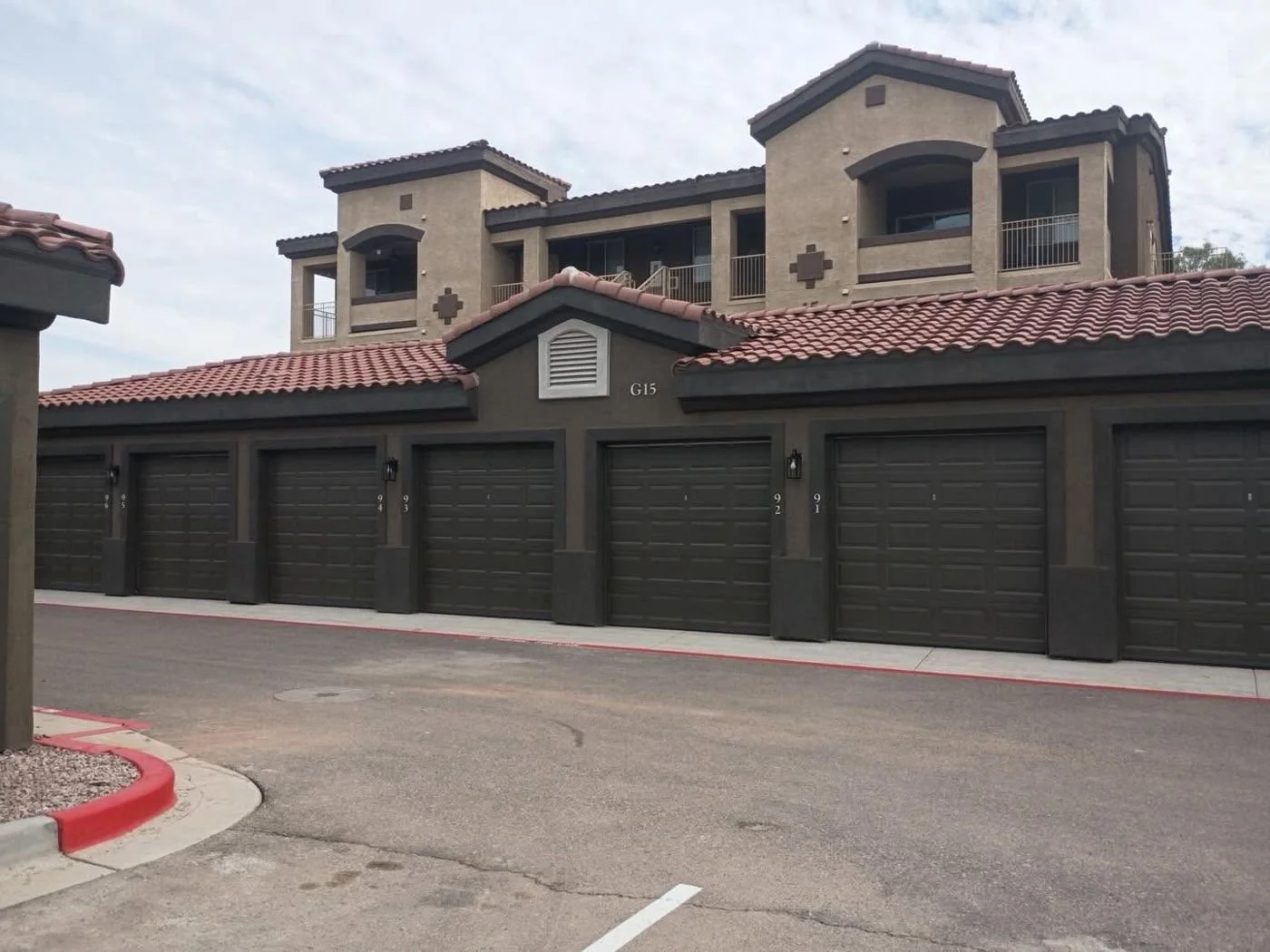
Some faults on a garage door announce themselves for weeks before they finish. Others happen in one cycle. Knowing which kind you have decides whether you pick the date or the door picks it.
Two Kinds of Fault, and Why Peoria Is Full of One of Them
A garage door fault is usually sorted by which part broke, because that is how people describe it when they call.
There is a second division worth having. Some faults are progressive. They degrade over weeks or months, they are visible or audible while they do it, and they are still an ordinary repair at the end of that stretch. Others are events. Nothing changes that you could have seen, and then the part is in two pieces.
The two kinds ask you different questions. A progressive fault asks whether you want to deal with it at a time of your choosing. An event does not ask.
So the useful thing for a Peoria homeowner is not a parts glossary. It is knowing what notice looks like, and what gives none.
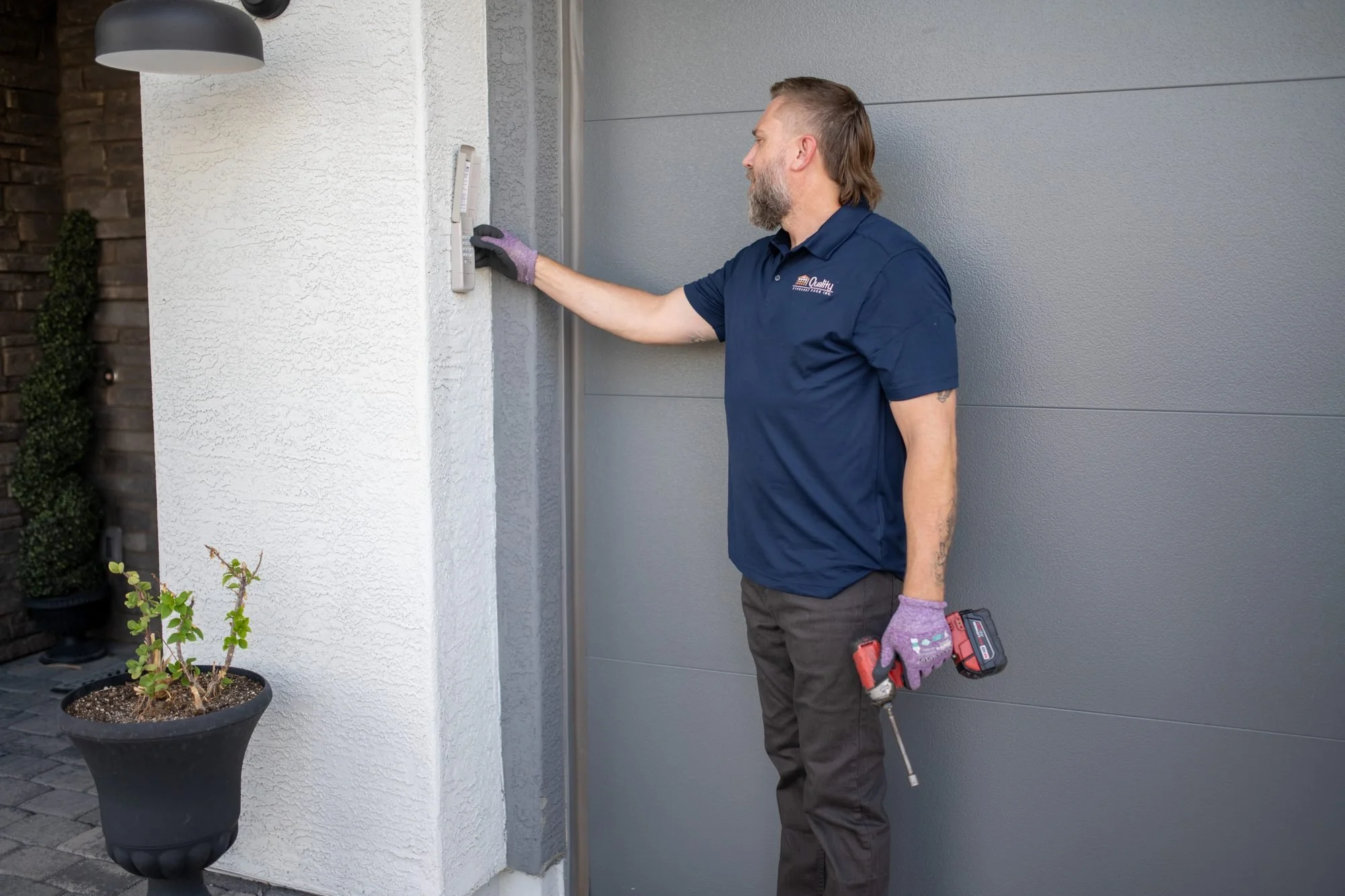 Garage door repair in Peoria, AZ
The Faults That Give You Notice
Six, and they are all on the door rather than in the motor.
A lift cable going. Strands break one at a time, so the cable goes rough before it parts. Our cable and track repair page covers where to look for that and how often.
A bearing drying out. The torsion shaft turns in bearings at each end and usually one in the middle. A bearing, its grease gone, announces itself with a dry, cyclical chirp that arrives at the same point in the door's travel every time.
A roller losing its bearings. A steel roller runs on a small number of ball bearings, and as they wear, the door starts to sound gritty where it used to sound smooth. A worn roller also stops running true in its track, which is where the second half of the problem comes from.
A section starting to bow. A top section that carries the opener arm, without a strut behind it, bends slowly. Close the door and look along its face from one side. A bow that has just started is a different job from one that has set.
A track bracket working loose. The brackets that hold the vertical track to the jamb carry the door's whole path. One that has started to pull shows a gap between track and jamb, and the door usually gets noisier at that point in the travel before anything else happens.
A bottom seal perishing. The least dramatic item here and the easiest to see. Rubber goes hard, splits at the folds, and stops sitting flat on the slab.
What the six have in common is that none is at its end state when you first notice it.
Where to Look, and What Looking Cannot Tell You
No tools and no ladder. Three positions cover it.
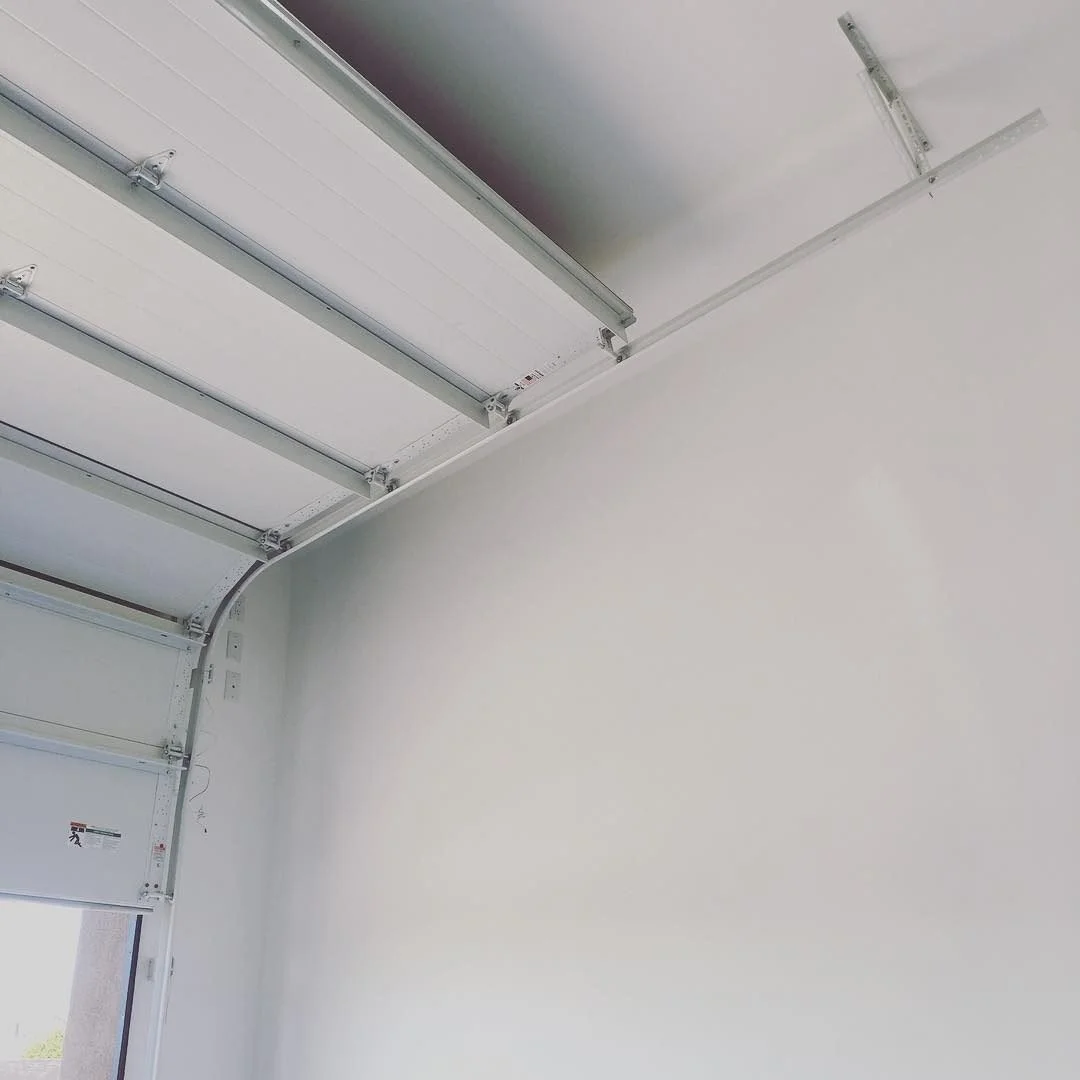
1. Inside, door closed, looking at the bottom corners. If you can see broken strands in a cable, stop running the door and say so when you call. That is the one finding on this page that changes what you should do in the next five minutes.
2. Inside, while somebody else runs the door, listen instead of watching. A sound that repeats at the same height every cycle is coming from a part passing the same point, which is the useful kind, because it tells us roughly where to start. A one-off bang or scrape is a different conversation: it is usually something that has arrived on the track, a bracket that has let go, or the door meeting something. Worth saying which of the two you have.
3. Outside, door shut, looking along the face of it from one side. Sections should be flat. A bow in the top section is easy to miss from the front and easy to see from an angle.
The Faults That Give You None
A torsion spring. A wound spring fails in a moment. There is a bang, the door becomes the weight it actually is, and the gap in the coil is visible from the floor afterward. There is no useful early warning on a spring. What there is instead is a rated cycle life, and our spring repair page sets out what that rating means and when a household arrives at it.
An impact. A vehicle, a gust catching a door that was partway up. Nothing precedes it, and our collision damage page covers what follows.
And the opener's own faults, which belong to our opener repair page and not to this one. Some of them give notice, and some give none, and that page is where the difference gets worked out.
So: six faults where looking and listening pay off, and two, a broken spring and an impact, that give no warning at all. Opener faults can go either way.
Scope on This Job
Ours: the door, its sections and panels, its track, its counterbalance in either family, its cables, drums, pulleys, bearings and brackets, its rollers and hinges, its seals, its safety circuit, and the opener.
Outside our scope: locks, handles, and rekeying, which are locksmiths' jobs. A new outlet or circuit for an opener, which is an electrician's job before ours. Jambs, framing, drywall and stucco, where the door is ours, and the building around it is not. Garage screens and window retrofits into an existing door. Mobile and manufactured homes. The motor on an opener with no photo eyes. Home warranty dispatch, which is on hold at present.
There is no minimum job. Where we judge a door unsafe to run, we tag it out and say so rather than leave it in service.
Peoria Garage Door Repair FAQ
One of my cables looks frayed. Does the other one matter?
It is the reason we look at both. The two cables have carried the same door for the same number of cycles, so the one you cannot see has done the same amount of work as the one you can see. Our cable and track repair page explains why both cables are replaced together.
The opener has started stopping short. Is that on this page?
Yes, we repair openers in Peoria too. A door that stops short is usually a travel-limit or force setting, or a door that is out of balance, and we check both on the visit. Our opener repair page covers the common opener faults.
Does the $85 still stand if I decide not to go ahead?
It stands either way, and that is the point of it: it covers the visit and the 22-point inspection, where the progressive faults on this page are found, whether or not they are what you called about. It is not later discounted from a repair.
What Customers Say
"Lou was very professional and knowledgeable. Did a great job and I'm very satisfied with the service."
Where We Work
Garage door repair and service across the Phoenix metro:
- Mesa,
- Gilbert,
- Chandler,
- Tempe,
- Scottsdale,
- Phoenix,
- Queen Creek,
- Apache Junction,
- Glendale,
- Peoria,
- Ahwatukee,
- Fountain Hills and
- Paradise Valley.
Tell us whether it started or whether it happened.
That one answer puts your door on one side of this page or the other, and a free phone quote starts from it.