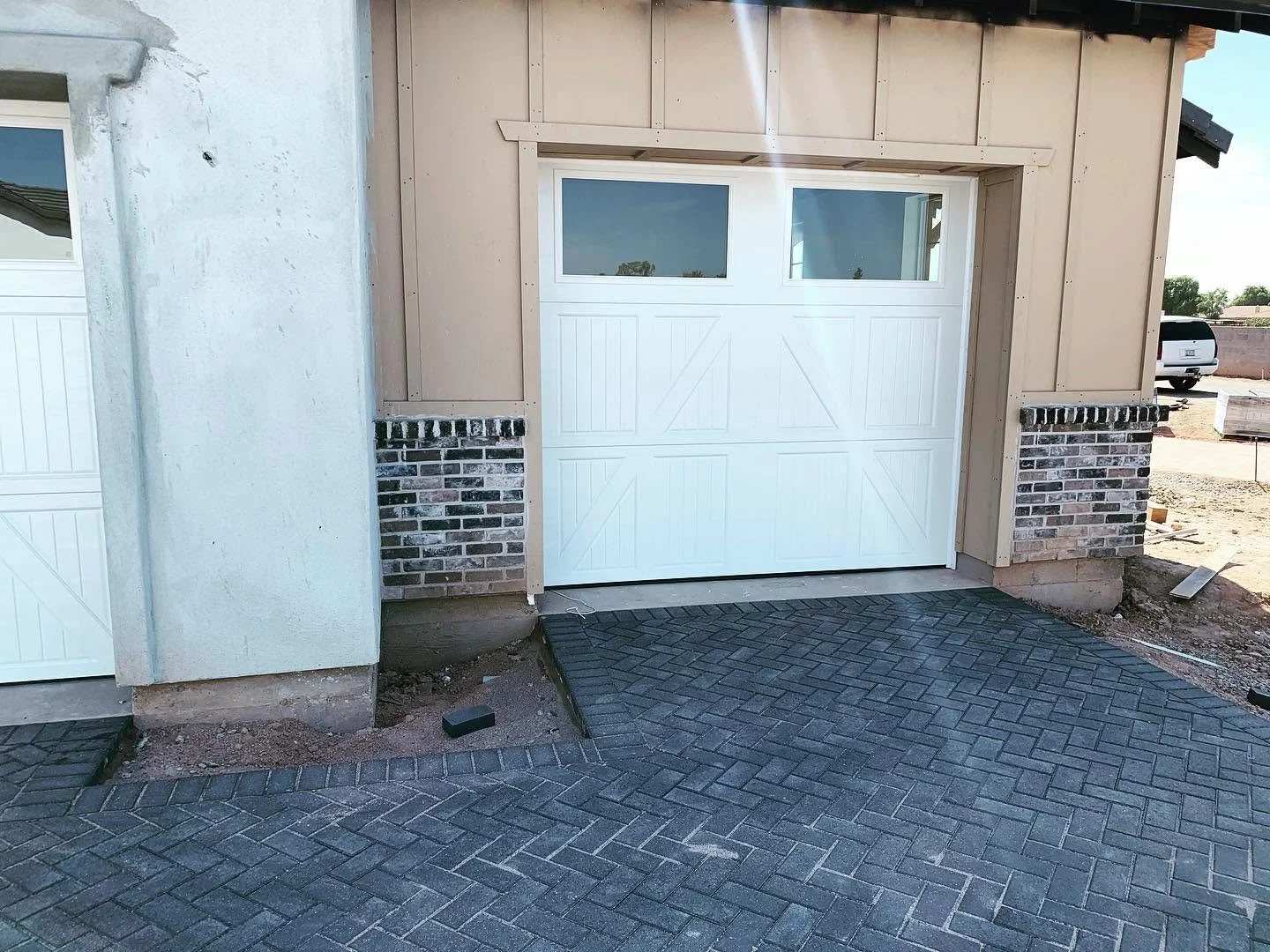

Garage Door Roller Replacement in Phoenix, AZ
Worn, noisy or wobbling rollers on a Phoenix garage door? We measure your door's stem and hinge setup on site, fit the right rollers, and check the balance before we leave.
A quote over the phone is free. A service call on a door that has failed is $85, covering the 22-point inspection and the first half hour of labor. After hours and on weekends it is $250. If you want a technician to look at the garage first, that visit is $35.
- ROC #310144
- Licensed, Bonded & Insured
- Women-Owned Family Business
- 22-Point Inspection
- Google Rated
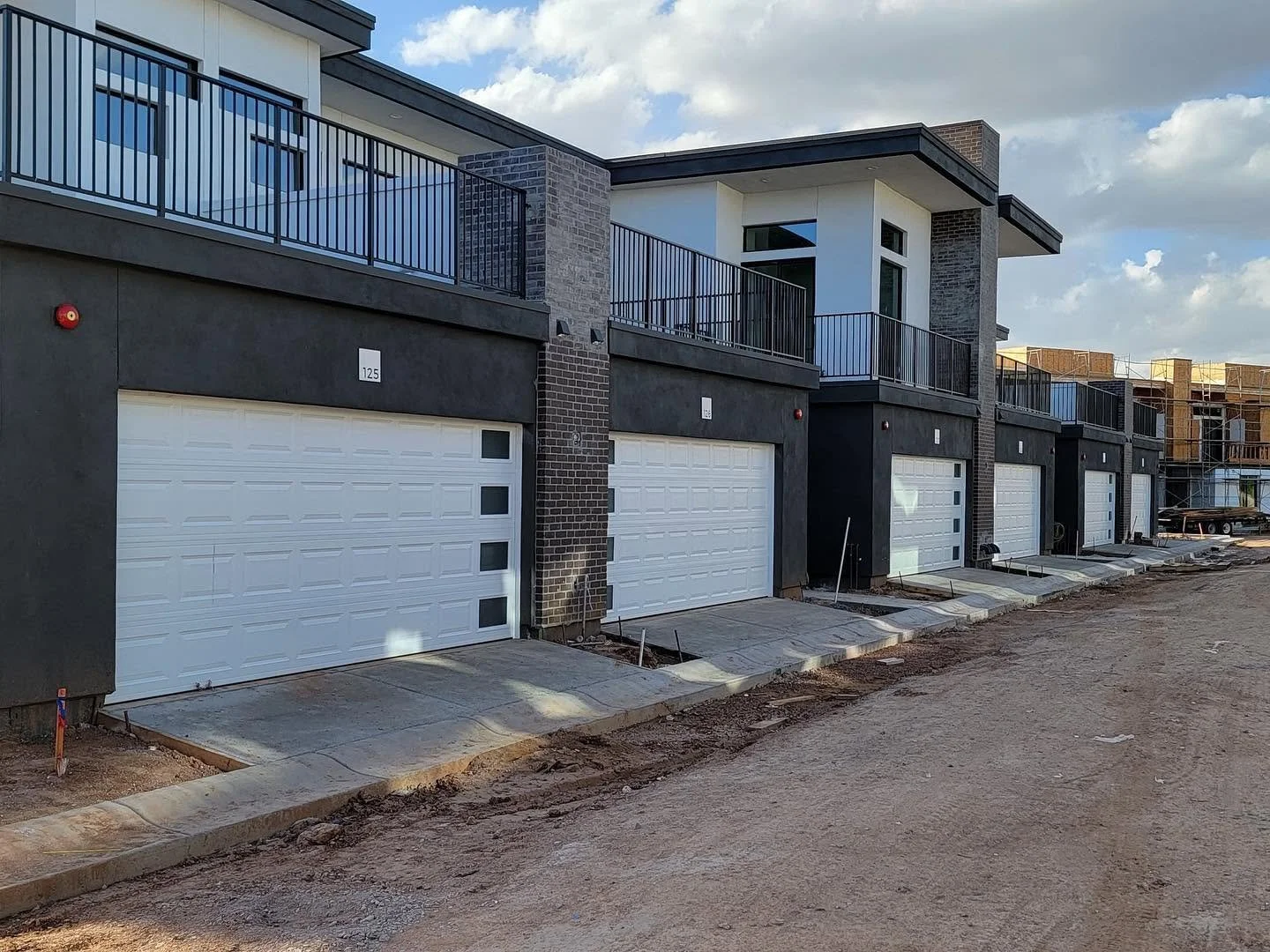
Rollers are among the smallest parts on a garage door. The part of the job that takes judgment is not the fitting. It is establishing which roller your door actually takes, and on older stock that is a question with more than one answer.
Why the Part Gets Measured Here Rather Than Assumed
Stem diameter is the measurement that determines the part, so here it is plainly stated. Seven-sixteenths of an inch is the standard residential stem, and replacement rollers are built to it. Half-inch stems exist, and older doors are where the surprises live. Stem length has to match how the hinges are built as well, and a door with two hinges bolted together at the end of a section needs a longer stem to reach through both. None of that can be read off the age of a house, which is why it gets measured on the door.
Our Phoenix page is where the housing figures sit, and it makes a point this page stands on: a Phoenix address does not tell you what is on the door. The counterbalance family, the section profile and the hardware all have to be read off the door itself, and the roller is one more item on that list. So the measurement happens before the part is promised.
 Roller replacement in Phoenix, AZ
The Types, and Which Variable Actually Differs
The wheel is not the variable. Two inches is the standard residential wheel, so the diameter is rarely what separates one part from the next. Four things do.
Wheel material. A steel wheel running metal on metal on a steel track is the loudest of the three. Nylon runs in the same steel track and is quieter, which is why it is the usual upgrade. Plastic is not nylon, and it is not a material we would specify.
Bearings, which are a separate question from the material. A roller either has a bearing cage that lets the wheel spin on its stem, or it does not. Where there is a cage, it is either open or sealed, and a sealed bearing has its balls closed off from the outside, which keeps dirt out of the races. That is a design fact, and the product literature says so plainly. Our roller replacement page tells you which of the three to put on your door, with the trade's own engineers on the record, and the short version is that it is not the simple ladder it gets sold as. We will tell you what is on the door now and what we are proposing.
Stem length, which has to match how the hinges are built. Four inches is the standard length for a residential door with single hinges. Some Overhead Door models take five and an eighth. Seven inches is for heavier doors with double-end stiles, where the stem passes through two hinges stacked together, and ten inches is for reinforced and commercial doors. DASMA's terminology standard defines a long-stem roller as one with a shaft seven inches or longer, the only roller dimension in this trade with a standards body behind it.
And the top roller, which is not one of the set. The top section carries a top fixture rather than an ordinary hinge, and some doors use a double top-roller fixture with a longer shaft. It is not interchangeable with the rollers below it.
What We Do on the Visit
The roller itself is the small part. Once your stem and hinges are measured on site, most of the visit goes into checking everything around it.
What happens on a Phoenix visit, in order. The door comes off the opener and gets lifted by hand, because how the door itself behaves, without the opener, is the thing worth knowing. The rollers get looked at in the track, because a roller that no longer runs true tells you more in place. The balance check happens, as it does on every visit. The safety reverse gets tested before we leave.
And the hinges come off to reach the rollers, so the labor on a worn hinge is already spent at that point. Where a hinge has opened up at the pin, the door is already apart, so the technician can show it to you and quote it. Whether it gets done is your call.
The bottom two rollers are not a DIY job. They sit in the bottom brackets, which hold the lift cables and the full spring load. Leave those to us: we replace them with the door supported and the tension controlled.
When the Roller Is Not the Answer
A noisy door gets blamed on rollers more than rollers deserve.
The useful tell is location. A roller noise travels with the door as it moves. A shaft bearing above the door makes a noise people reliably blame on rollers, and it stays in one place on the wall while the door goes past it. Those are two different parts and two different jobs. A door dragging on one side is a third thing again: it has stopped sharing its load, and the rollers on the low side are taking the difference.
And grit is its own subject. The one manufacturer statement behind it is a lubrication interval: Clopay publishes that in dusty conditions lubricant may not last as long and may need to be reapplied more frequently, and a dry bearing is a short-lived bearing. That is a maintenance interval and not a failure claim. We are not going to add to that, because the extra claims circulating in this market about desert conditions and rollers are not sourced, and we have looked.
Scope on This Job
Ours: the rollers, the hinges they come off to reach, the track they run in, the bearings, the balance check and the safety reverse test, on any brand and on doors we did not install.
Outside our scope: jambs, framing, drywall and stucco. Locks, handles and rekeying. Any new outlet or circuit, which is an electrician's job before ours. Mobile and manufactured homes. The motor on an opener with no photo eyes. Home warranty dispatch, which is on hold at present.
There is no minimum job. Ninety days on our labor, and manufacturer parts warranties honored.
Phoenix Roller FAQ
How do I know it is the rollers and not something else?
Often you do not, and that is fine. The visible signs are flat spots on the wheel, a wheel that wobbles on its stem, cracked or chipped nylon, and black dust on the track, which is a bearing giving up. Tell us what you hear and when, and the inspection sorts it on the visit.
Can you do just the noisy one?
We can, though we would usually do the set. They are the same age and have done the same number of cycles, so replacing one tends to be the first of several visits. Your call either way.
My door is from the 1970s. Can you still get rollers for it?
Usually. Rollers are one of the more findable parts on an old door, which is not true of every part on one. Where something is not on the truck, we will say so on the visit, before anything is ordered.
Does the opener need anything done at the same time?
Not because of the rollers. If the opener has been working harder than it should to move a dragging door, that shows up on the balance check, and we will tell you what the check found.
Will this make the door quieter?
Usually noticeably quieter, though not always, because a bedroom over the garage and a chain drive is a different problem from a worn roller.
What Customers Say
"Friendly and reliable service. Videos before and after."
Where We Work
Garage door repair and service across the Phoenix metro:
- Mesa,
- Gilbert,
- Chandler,
- Tempe,
- Scottsdale,
- Phoenix,
- Queen Creek,
- Apache Junction,
- Glendale,
- Peoria,
- Ahwatukee,
- Fountain Hills and
- Paradise Valley.
Tell us what the door sounds like and roughly when it was built.
Neither answer settles which part your door takes, because that gets measured on the visit. Both are worth telling us anyway, because they shape what the technician brings. A quote over the phone is free, and if you want the garage looked at before anybody commits, that visit is $35.