
Garage Door Opener Repair in Scottsdale, AZ
Logic boards, gears, sensors, limits and remotes on any brand, including homes with two or three openers that need to run from one remote. The $85 service call includes a 22-point inspection.
Office hours are Monday to Friday, 7:00 a.m. to 3:00 p.m. A person answers after hours, and after-hours and weekend work carries a $250 call fee.
- ROC #310144
- Licensed, Bonded & Insured
- Women-Owned Family Business
- 90-Day Labor Warranty
- Google Rated
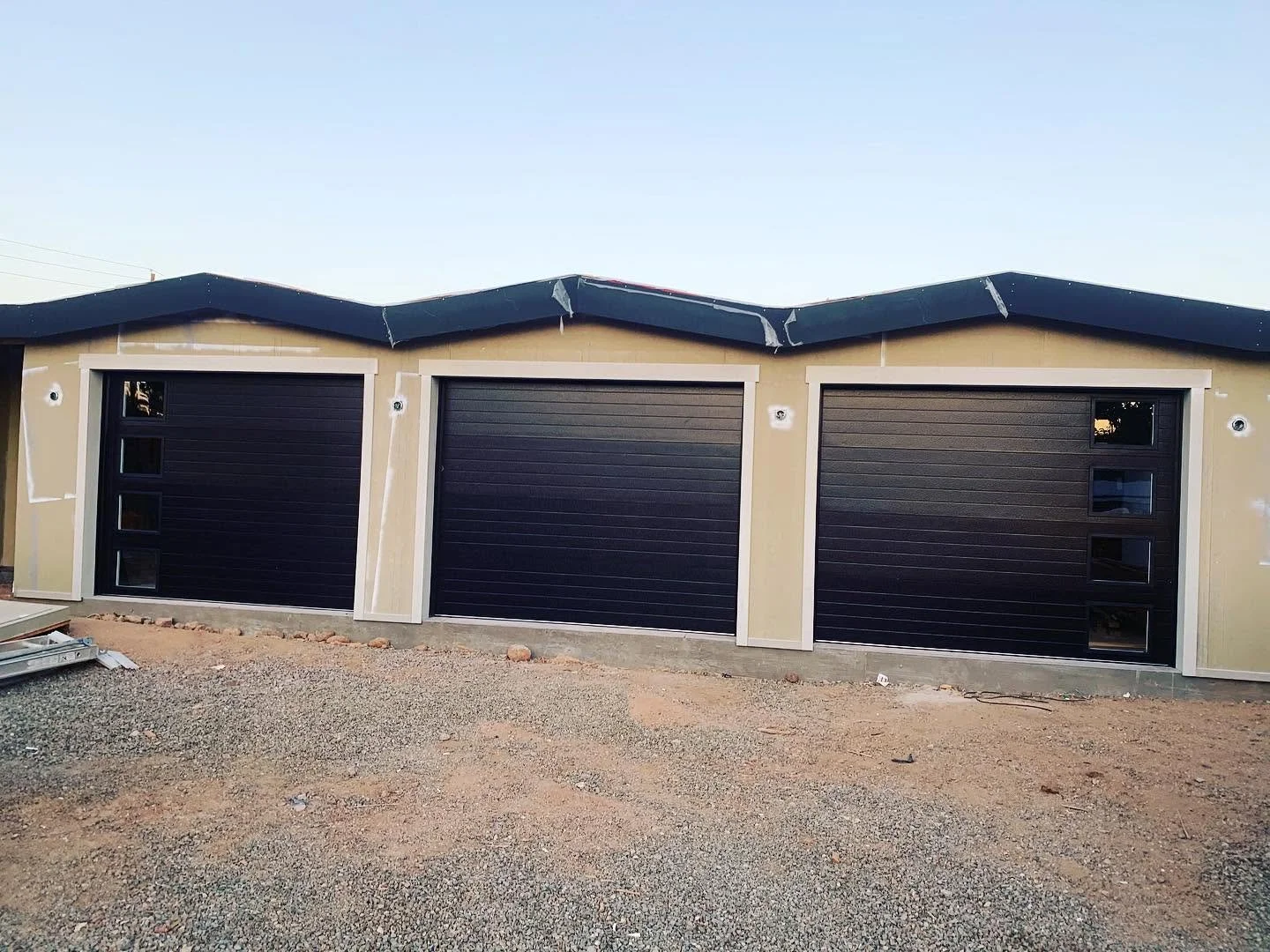
One dead opener on a house with three of them is a different conversation from one dead opener on a house with one, and almost nobody has it before the work is done.
Here is the part that catches people, and it is worth five minutes before you book anything.
Replace One Head of Three, and You Have Changed the Whole Property
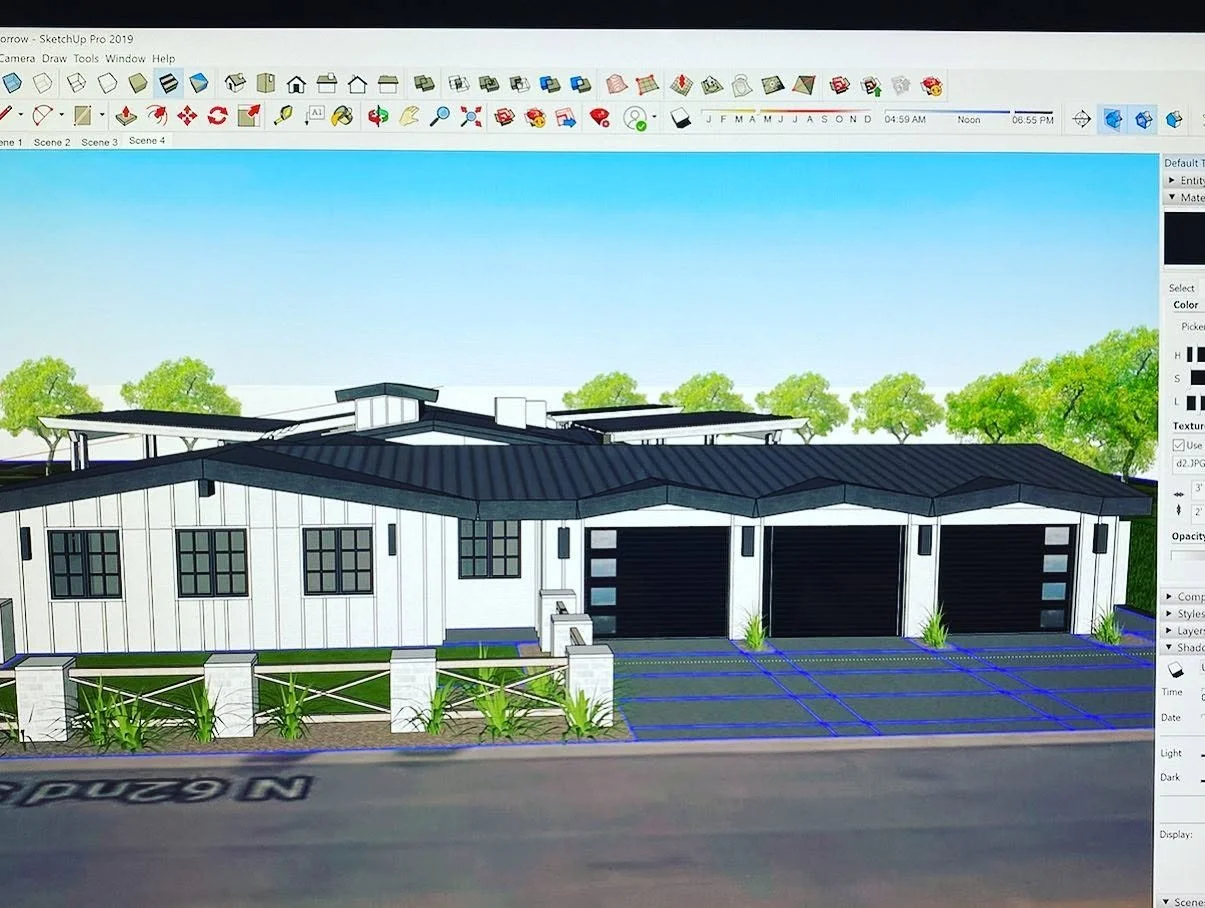
Our Scottsdale page notes that a wide frontage here often carries two or three bays. Each bay has its own opener, and those openers were rarely all installed on the same afternoon.
Every opener is its own radio. The remote does not talk to the door; it talks to the receiver in that one motor head. Three doors mean three receivers, and they only work together because at some point somebody taught the same remote to all of them.
That only works if the remote and the heads speak the same language. Older units used a fixed code, set with small switches inside the remote and inside the head. Units since have used a rolling code that changes with every press. A rolling-code head generally will not learn a fixed-code remote, and vice versa. On most units, it is not a setting that can be switched.
So replacing one head can leave you carrying two remotes. The new door responds to the new remote, and the two old doors respond to the old one. It works, annoys people every day for years, and is entirely avoidable if the conversation happens before the order.
The button in the car is the same problem wearing a different hat. A vehicle's built-in control is taught to each opener individually. Replace a head, and that button has to be taught again for that door, which usually means a step in the car and a step at the motor. Older vehicles and newer heads sometimes need a bridging device to talk to each other at all.
Keypads and wall controls do not travel either. An outside keypad belongs to one opener. Multi-function wall consoles, the ones with light and lock buttons, are generally proprietary to the head they came with, so a mixed set of brands across a property usually means a mixed set of buttons inside it.
The ways out, in the order we would try them. A universal remote that can transmit in both formats. A universal receiver added to the older units, so one remote runs everything, whatever the brand. Replacing the one head and living with two remotes. Or replacing the heads together so the whole property runs on one system. We will lay them all out, including what each one involves, and the choice is yours.
 Opener repair in Scottsdale, AZ
What Actually Fails
Logic boards. One of the most common failures across eras. Symptoms are inconsistent by nature, and that inconsistency is the diagnostic.
Drive gears. Motor running, nothing moving. Usually a repair, and on a heavy door sometimes a symptom of a head working above its comfortable range.
Travel limits. The unit learns where open and closed are, and the setting drifts. It produces a door that stops short, bounces on the floor, or reverses on contact.
Photo eyes. Alignment, a filmed lens, a bracket knocked by a car door, a wire nicked during a garage refit. On a property with a finished, well-used garage, the bracket knock is the usual one.
Remotes and receivers. Batteries first, then lost programming, then a receiver that has stopped hearing. On a multi-door property, this is where the compatibility question above usually surfaces.
Repairing One, or Rethinking the Set
A single failure on a well-matched set is a repair. If the three heads are the same generation and one has a bad board, fixing that board keeps the property consistent, and that is the sensible answer.
A single failure on a set that is already mismatched is a decision. If you are carrying two remotes today, the failure is the moment to fix that or to accept it deliberately.
Age matters more across a set than on a single opener. Three heads installed together are aging together, and the second and third failures tend to follow the first within a few years. Knowing that does not mean replacing all three today. It means the plan is worth making today.
And the door still comes first. For any of these, we check the counterbalance before discussing the head. The short version: a door that drags will end the next opener the same way it ended the last one.
What a Visit Looks Like When There Is More Than One Door
We come for the door that failed. On a property with several, ten extra minutes changes what you get out of the visit.
- 1.
We ask to see all of them, and you are welcome to say no.
The reason is that the answer to "Can one remote run everything?" is sitting on labels inside the other heads, and reading them while somebody is already there beats a second appointment.
- 2.
We write down what is up there.
Make, model, and generation for each head, which door it drives, and how each one is currently controlled. On a property that changes hands, or where a management company handles the calls, that list is worth having, and it rarely exists before we write it.
- 3.
We check the balance on each door, not just the failed one.
It takes a minute per door with the opener disconnected. On a set of doors installed together, the counterbalances are the same age too, and a door that is starting to drag is easier to deal with before it takes a head with it.
- 4.
Then the failed unit is diagnosed in order: the door's balance by hand, then the photo eyes, then the travel and force settings, then the head itself.
- 5.
And then the number, with the set in view.
What has failed, what the repair involves, and what it means for the other doors, if anything. Where the sensible answer is to do nothing about the others, we say that.
Four Things That Make the First Call Useful
How many doors, and which one has failed. Obvious, and it is the thing people leave until the end.
What is written on the other heads. A photograph of the label on each motor, taken from the ladder or from a phone held up, tells us the generation and therefore what will and will not talk to what.
How many remotes are in the house, and what each one opens. This is the question that reveals a mismatched set faster than anything we could ask about the equipment.
Whether the car button works, and on which doors. If it works on two of three, that is already the answer to a question you were going to ask us later.
Scottsdale Opener FAQ
We have three doors and one new opener. Can one remote run all three?
Often, and the route depends on what the other two are. Sometimes the new remote can be taught to the old heads. Where the coding does not allow it, a universal receiver added to the older units usually solves the issue.
Will a new opener work with the button in my car?
Usually, and the pairing has to be redone for that door. Some combinations of older vehicle and newer opener need a small bridging device. We will tell you which situation you are in rather than leaving you to find out in the driveway.
Can you match the new one to the brand we already have?
Where that brand is still current, yes, and it is often the tidiest answer on a multi-door property. Where the line has been discontinued, we will tell you what is closest and what changes. We are a LiftMaster dealer, and we work on every other brand too.
One of our doors is used every day and two of them hardly at all. Does that matter?
It matters more than most people expect. Openers and counterbalances wear by use, so a set installed on the same day can be in three quite different states ten years later. The everyday door is the one that will fail first, and it is the one worth looking at hardest. The two that rarely move have their own problem: things seize when they sit. If a door has not been run in months, tell us, because it is worth checking before relying on it.
Do you keep a record of what is on our property?
We write down what we find on the visit, and you get a copy. Keeping the master list on your side is worth it, because the next person who needs it may not be you.
Can one keypad open more than one door?
An outside keypad is taught to a single opener, so the usual arrangement on a multi-bay property is one keypad on the door people actually walk through. Where you want more than that, it is a question of adding keypads rather than of finding a clever one, and it is worth deciding while somebody is already fitting one.
Two of our doors are on one wall control. Is that normal?
It happens, usually, when an installer wires two heads to one button, or when a multi-function console drives one and a plain button drives the other. It works. What it takes away is any way of telling which door you are about to move, so we would rather label them than leave you guessing.
Scope
Ours: every opener on the property, its rail and trolley, its sensors, its programming, and the remotes, keypads and wall controls that go with it.
Outside our scope: all electrical work, including any new outlet or circuit. Framing, jambs, drywall and stucco. Locks, handles and rekeying. Garage screens and window retrofits. Mobile and manufactured homes. Home warranty dispatch is currently on hold.
There is no minimum job.
What Customers Say
"Extremely professional, knowledgeable, timely and friendly, from the first call to work completion."
Where We Work
Garage door repair and service across the Phoenix metro:
- Mesa,
- Gilbert,
- Chandler,
- Tempe,
- Scottsdale,
- Phoenix,
- Queen Creek,
- Apache Junction,
- Glendale,
- Peoria,
- Ahwatukee,
- Fountain Hills and
- Paradise Valley.
Tell us how many doors the property has and how many remotes you carry.
If the answer to the second is more than one, that is worth sorting while somebody is already up a ladder.